What Buyers Should Know About Wheel Loader Horsepower Ratings
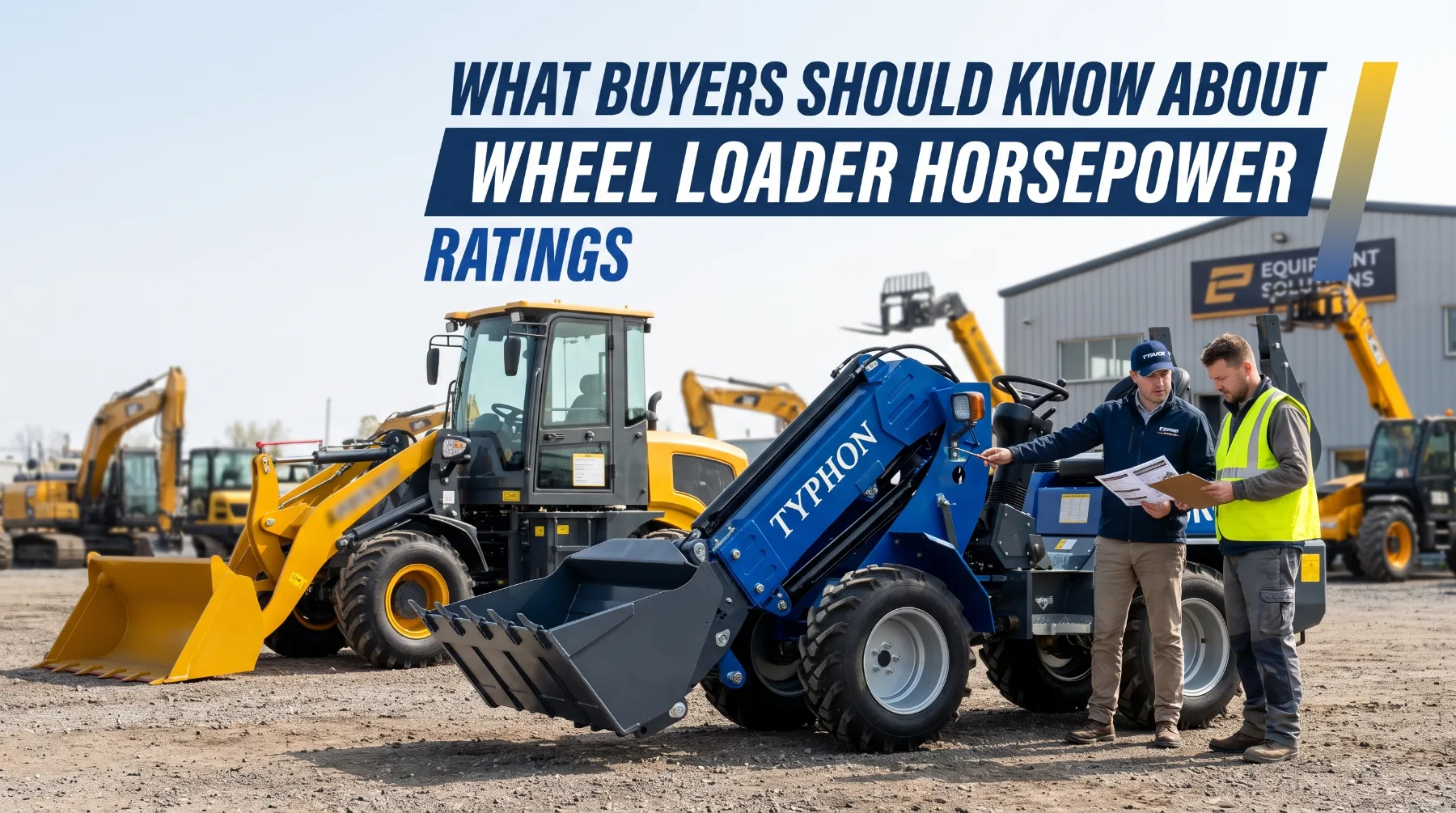
A contractor walks a dealer lot comparing two wheel loaders parked side by side, spec sheets in hand and a growing sense of confusion. One machine lists a higher horsepower figure than the other, and the instinct says the bigger number wins. But the salesperson explains that the two figures were measured differently, that the machine with the lower rating actually moves more material per hour, and that horsepower alone tells only a fraction of the story. The contractor pauses, realizing the number that seemed to settle the decision has quietly opened a dozen new questions. That moment of doubt is exactly where a smart buyer either learns what horsepower ratings really mean or overpays for a figure that never translates into work. Understanding how those ratings are built, and what they leave out, is what separates a confident purchase from an expensive guess.
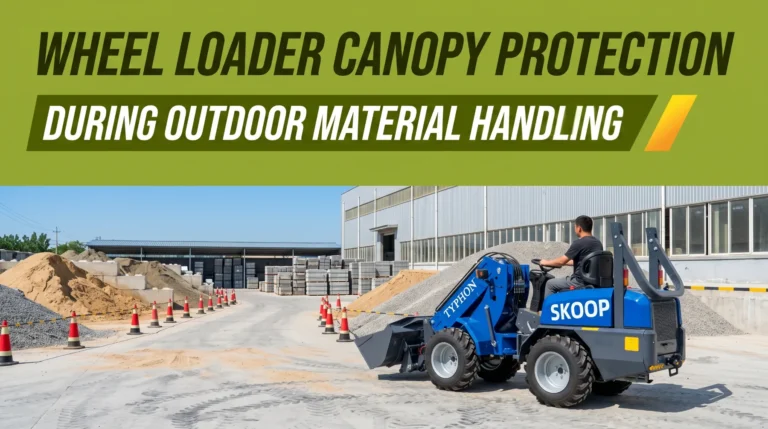
Horsepower ratings shape how buyers judge a wheel loader, yet the number carries more nuance than most spec sheets admit. Knowing what it measures, how it is reported, and how it connects to real performance protects your budget and your productivity.
The Role of Horsepower in a Loader Purchase
Buyers lean on horsepower because it offers a quick, single figure to compare machines that otherwise differ in dozens of ways. The rating hints at how much engine power a loader can bring to digging, lifting, and traveling, so it serves as a natural starting point when you scan a spec sheet. A figure this visible shapes first impressions, and many purchase decisions begin with it whether or not the buyer digs any deeper.
Power ties directly to what a loader can accomplish, which is the real reason the rating earns its place in the conversation. Enough horsepower lets a machine fill a heavy bucket, push through a dense pile, and climb a grade without bogging down, while too little leaves the loader straining and slow. Matching the power to the work keeps the machine productive rather than overwhelmed, and that connection is what gives the number its practical weight.
Cost follows horsepower closely, so the rating touches your wallet as much as your output. A higher-rated loader generally carries a higher purchase price, burns more fuel, and may cost more to maintain, so paying for power you never use wastes money on every shift. Key takeaway: horsepower ratings give buyers a fast comparison point that links to a loader’s capability and cost, which is why the number deserves careful attention rather than a glance.
Reading How Horsepower Gets Measured and Rated
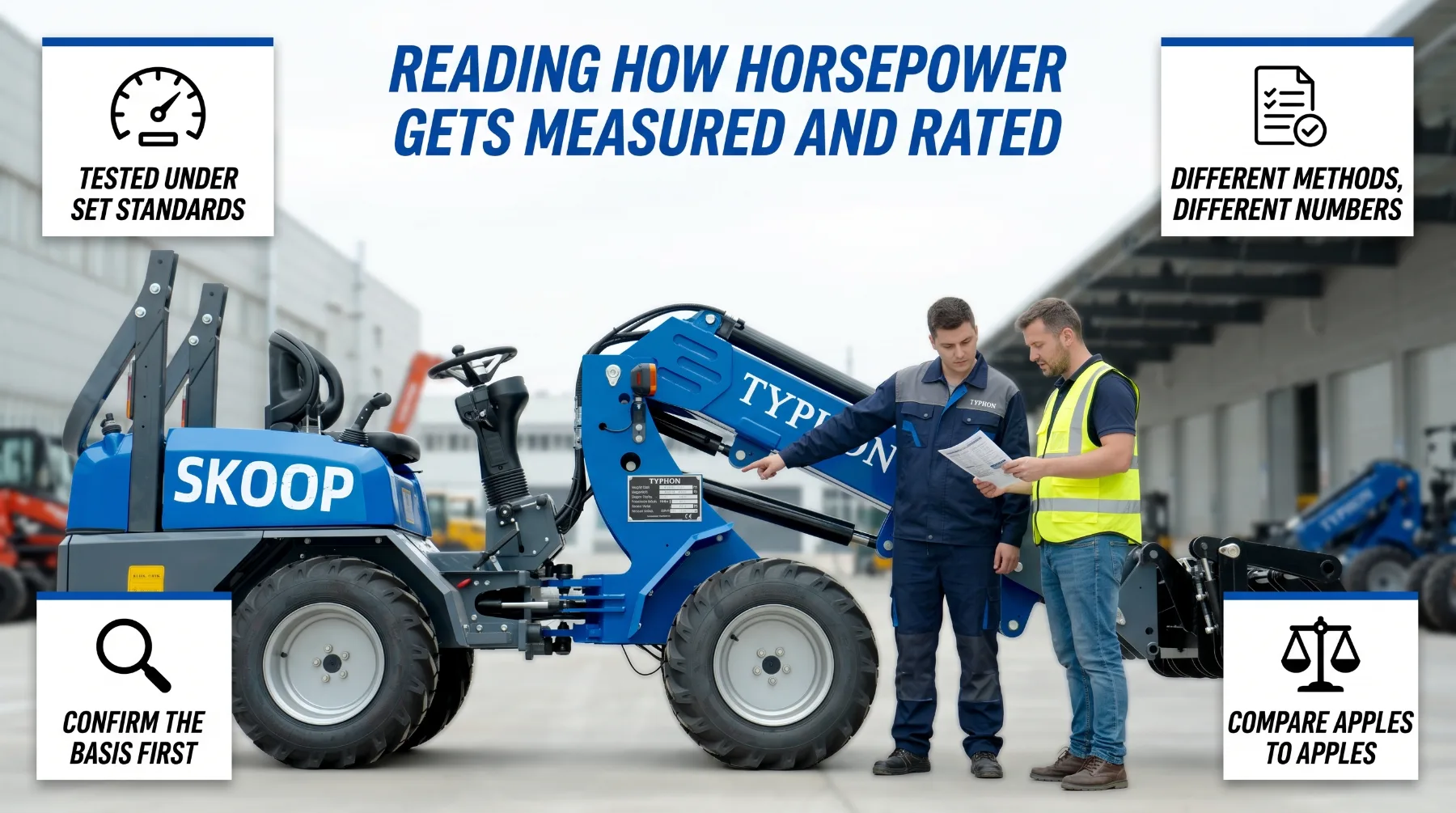
Measurement standards sit behind every horsepower figure, and knowing they exist is the first step toward reading a rating honestly. Manufacturers test engines under defined conditions set by recognized standards, then publish the resulting power figure on the spec sheet. Because different standards measure under different conditions, two loaders rated by different methods may not compare as cleanly as their numbers suggest, so a buyer should confirm the basis before trusting a side-by-side.
Rated speed shapes the figure in a way many buyers overlook, since an engine produces its peak power at a specific rotational speed. The horsepower a manufacturer publishes reflects the output at that rated engine speed, yet a loader rarely works at exactly that point through a whole task. Understanding that the headline number describes a peak rather than a constant helps you read the rating as one data point instead of a promise of steady performance.
Torque deserves a place beside horsepower whenever you study a rating, because the two describe different qualities of the same engine. Horsepower reflects the rate at which the engine does work, while torque reflects the twisting force available to push through a heavy load, so a machine with strong torque digs into a pile with authority the horsepower figure alone cannot reveal. Key takeaway: horsepower is measured under specific standards at a rated engine speed, so reading it alongside the testing basis and the torque figure tells you far more than the headline number.
Sorting Out Gross Versus Net Horsepower
Two versions of the horsepower figure appear on spec sheets, and confusing them is one of the easiest mistakes a buyer can make. Gross horsepower measures the engine’s output on a test stand with no accessories drawing power, while net horsepower measures the output as installed in the machine, after the fan, alternator, and other systems take their share. The two figures describe the same engine but paint very different pictures of what reaches the work.
Net horsepower reflects the power a loader actually delivers, which makes it the figure a buyer should weigh most heavily. Because it accounts for the accessories that run whenever the machine operates, the net rating tells you how much muscle remains for filling a bucket and climbing a grade. Comparing one loader’s net figure against another’s net figure keeps the comparison fair, since both describe usable power rather than laboratory potential.
Marketing sometimes favors the gross figure precisely because it looks larger, so a sharp buyer reads the fine print. A spec sheet leading with an impressive gross number may hide a more modest net rating that better reflects daily performance, and comparing one machine’s gross figure against another’s net figure produces a misleading result. Key takeaway: gross horsepower describes the bare engine while net horsepower describes usable power in the machine, so comparing net against net is what keeps a buyer’s judgment honest.
Connecting Horsepower to Bucket Capacity and Lifting Force
Bucket capacity links to horsepower in a relationship buyers should understand before they read too much into either figure. A larger bucket holds more material per pass, but filling and lifting that heavier load demands more engine power to keep the machine moving at a productive pace. Manufacturers size the standard bucket to suit the loader’s power, so a rating and a bucket capacity that match tell you the machine was balanced for real work.
Breakout and lifting forces reveal what horsepower feels like at the business end of the loader, since these figures describe the machine’s muscle rather than its speed. Breakout force measures how forcefully the bucket can pry material loose, while lifting capacity measures how much weight the arms can raise to full height, and both depend on the hydraulic and engine power working together. A buyer chasing productivity should study these forces alongside the horsepower number rather than treating the rating as the whole answer.
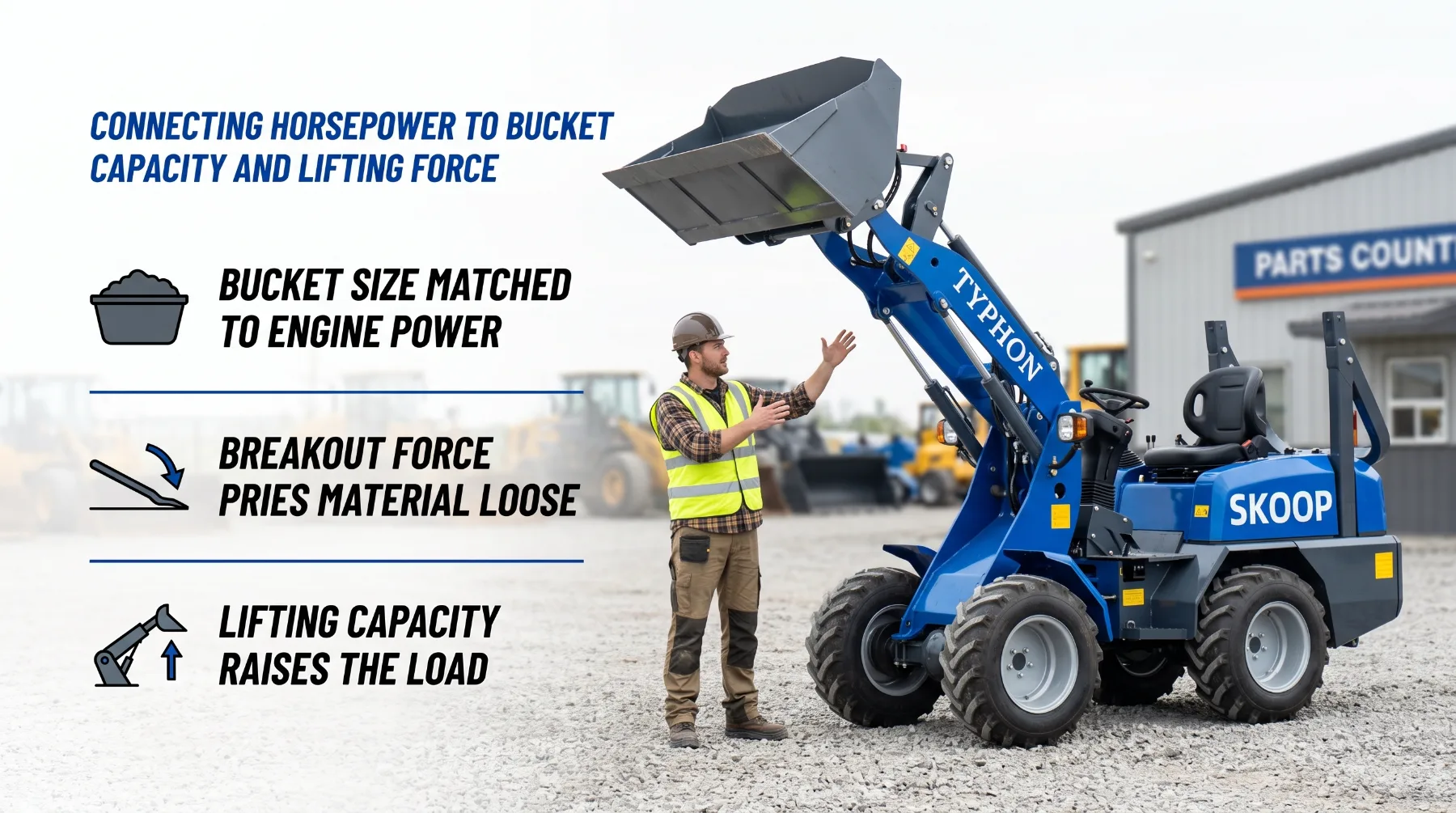
Balance across all these figures is what separates a well-matched loader from a mismatched one, because raw power means little without the structure to use it. A machine with high horsepower but a small bucket or modest lifting capacity leaves power unused, while an oversized bucket on an underpowered loader strains the engine and slows every cycle. Key takeaway: horsepower connects to bucket capacity, breakout force, and lifting capacity as a balanced package, so reading these figures together shows what a loader can truly move.
Matching Horsepower to the Work Ahead
Application should drive the horsepower decision, because the right rating flows from the work the loader will face rather than from the largest number available. A machine handling light material in a landscaping yard needs far less power than one loading dense aggregate into haul trucks all day, so honestly defining the task sets a sensible target. Buying for the work you actually do keeps you from overpaying for capability that sits idle.
Duty cycle shapes the requirement as much as the material itself, since how hard and how often the loader works determines the power it genuinely needs. A machine running short, occasional loading passes asks less of its engine than one cycling continuously through a demanding shift, so a buyer should weigh the intensity of the work alongside its type. Thinking through the full pattern of a typical day guides you toward a rating that holds up without straining.
Site conditions round out the match, because the ground and the layout influence how much power a loader must summon. Steep grades, long travel distances, and soft or uneven surfaces all demand extra power to maintain a steady pace, so a loader working tough terrain warrants a higher rating than one on flat, firm ground. Key takeaway: matching horsepower to the material, the duty cycle, and the site conditions gives you a loader powered for the work rather than for the spec sheet.
Looking Beyond the Horsepower Figure
Transmission and drivetrain determine how much of the engine’s power reaches the wheels, so a buyer’s inspection should extend well past the horsepower line. A well-designed transmission transfers power efficiently and keeps the loader responsive under load, while a poorly matched one wastes output no matter how strong the engine. Two machines with identical ratings can perform very differently depending on how their drivetrains put that power to the ground.
Hydraulic performance shapes the loader’s real-world capability just as powerfully, since the hydraulics drive the bucket and the lift arms. A capable hydraulic system delivers smooth, quick cycles and strong breakout force, letting the operator fill and dump loads rapidly, and that speed often influences productivity more than a few extra units of horsepower. Studying cycle times and hydraulic capacity tells a buyer how the machine will actually feel at work.
Fuel efficiency, operator comfort, and support seal the decision, because a loader is a long-term investment rather than a single number. A machine that sips fuel, keeps the operator comfortable through a long shift, and comes backed by dependable parts and service will earn its keep far beyond what any rating promises. Key takeaway: transmission, hydraulics, fuel efficiency, comfort, and support all shape a loader’s value, so a wise buyer looks well beyond the horsepower figure before deciding.
Conclusion
Wheel loader horsepower ratings guide a buyer’s decision, but only when read with the full context each figure carries. Start by recognizing why the number matters, then understand how it is measured under specific standards at a rated engine speed. Separate gross from net horsepower and compare net against net, then connect the rating to bucket capacity, breakout force, and lifting capacity as a balanced package. Match the power to your material, duty cycle, and site conditions, and look beyond the number to the transmission, hydraulics, fuel efficiency, comfort, and support that shape long-term value. Attend to all six, and you buy a loader powered for the work rather than for the spec sheet. Before your next purchase, define your typical task, confirm the net rating, and compare the machine’s forces and features so it performs from the first load. When you’re ready to put a dependable wheel loader matched to your work to work, or need help reading the ratings for your projects, reach out to a trusted equipment specialist who can match reliable equipment to the results your work depends on.
Frequently Asked Questions
Does a higher horsepower rating always mean a better wheel loader?
No. Horsepower is only one factor. Bucket capacity, hydraulic power, breakout force, drivetrain, and cycle times also determine productivity.
What is the difference between gross and net horsepower?
Gross horsepower measures engine output without accessories. Net horsepower measures output after systems such as the fan and alternator use some power. Net horsepower is more useful for comparing loaders.
How do I know how much horsepower I actually need?
Match horsepower to your material, workload, duty cycle, terrain, and travel demands. Choose enough power for your regular tasks without paying for capacity you rarely use.