
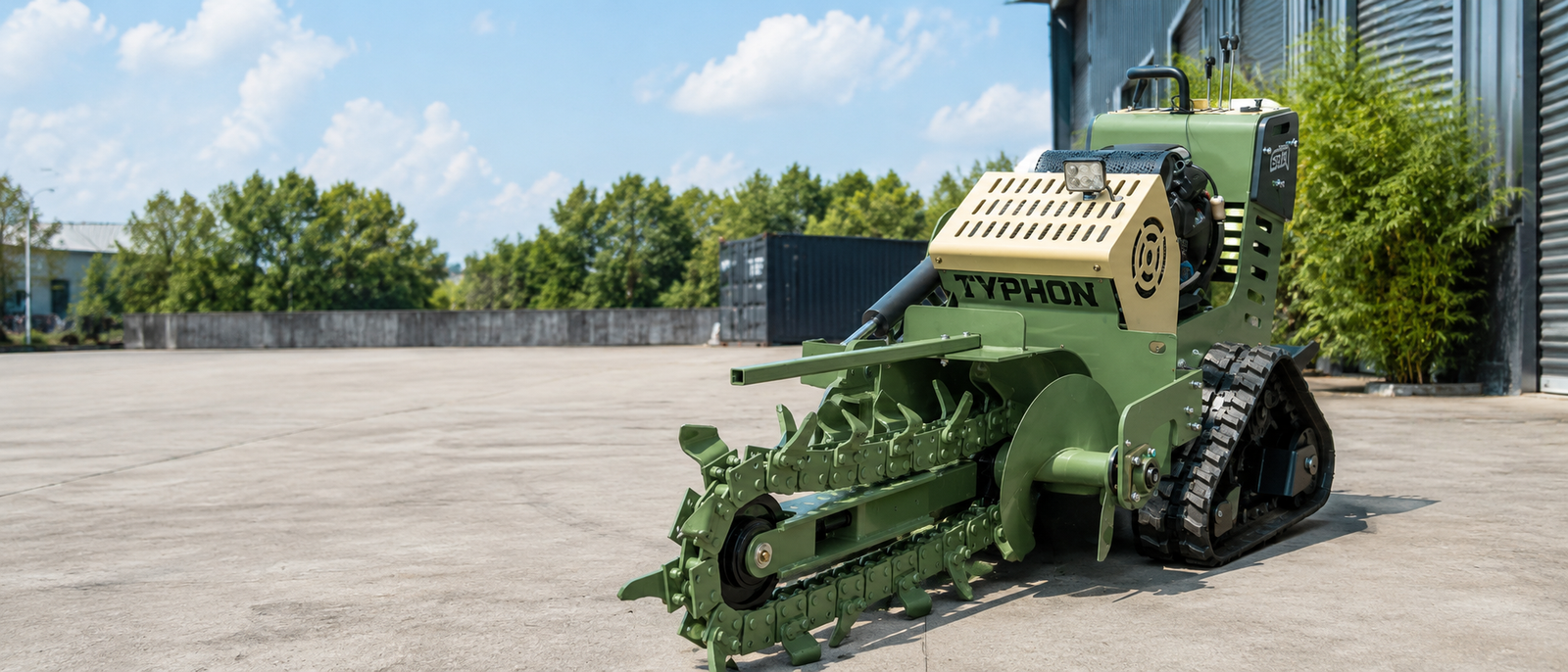
Konstructz Project Series TYPHON GroundRipper GRX1
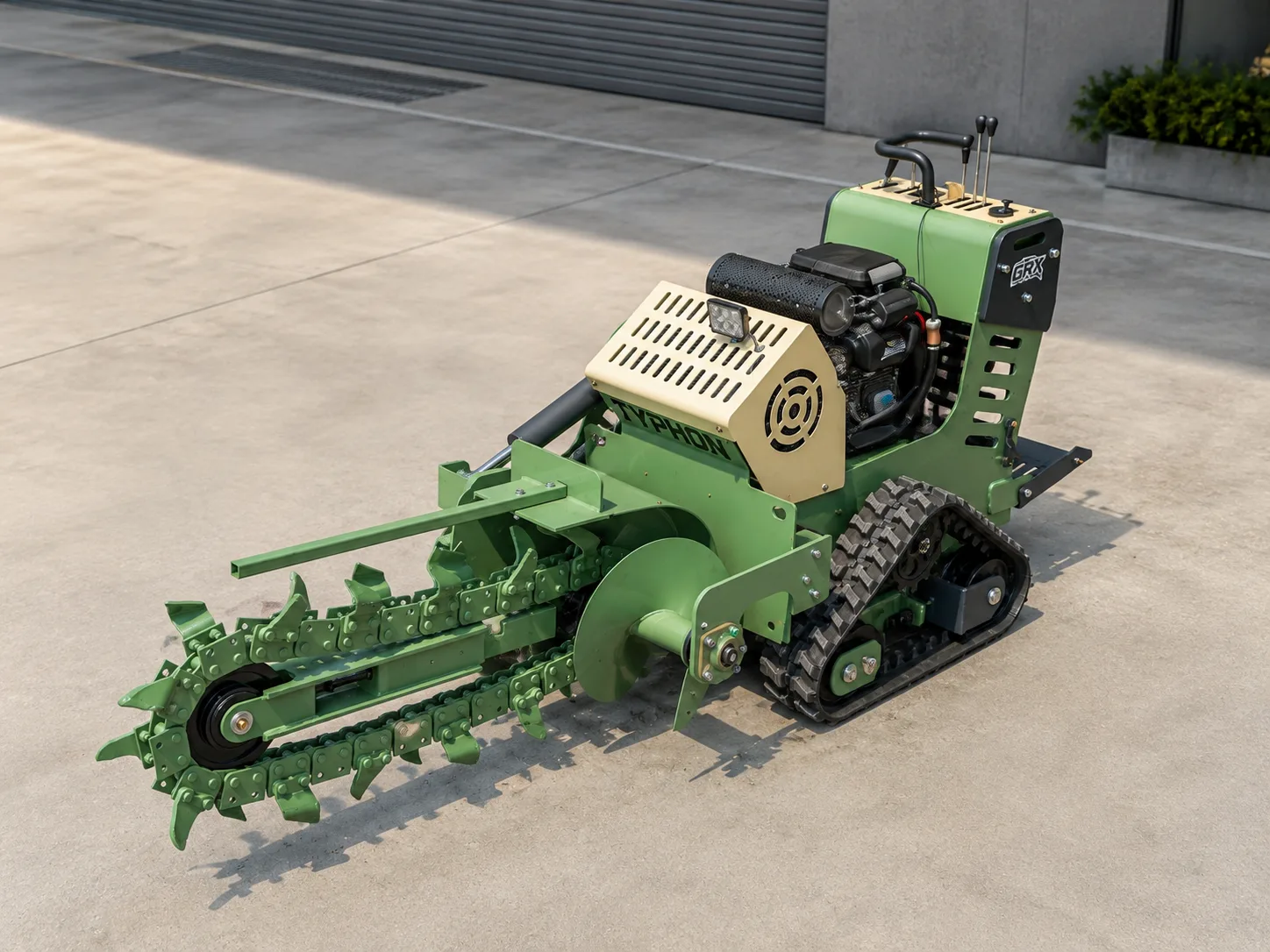
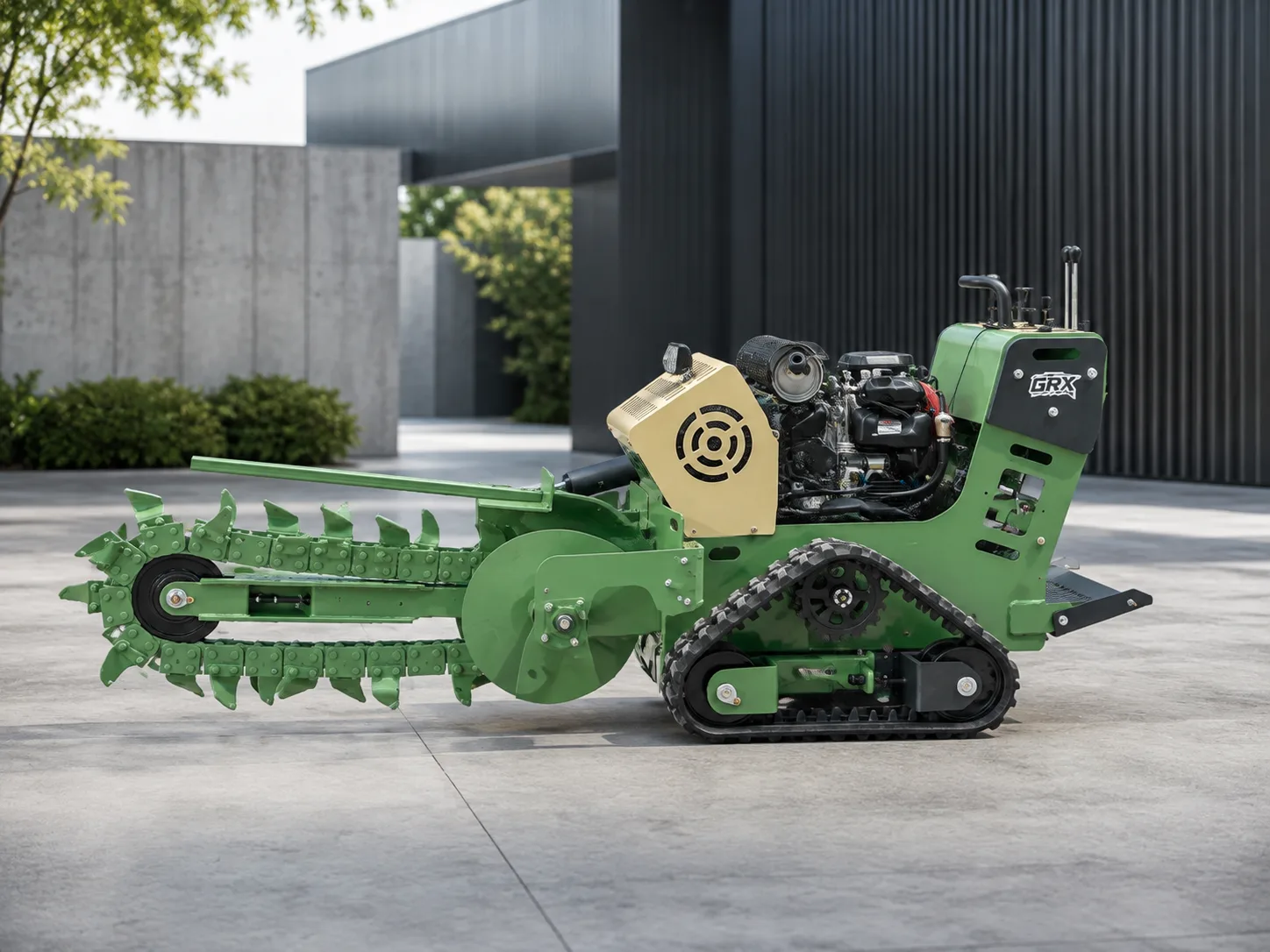
Powered by a 22.1 HP Honda GX690, the GroundRipper GRX1 delivers controlled trenching up to 29.5 inches deep and 6 inches wide from a compact tracked platform.
Engineered Down to Every Detail.
Explore the systems and working components behind the GroundRipper GRX1 professional trencher. Select any image for a closer view.
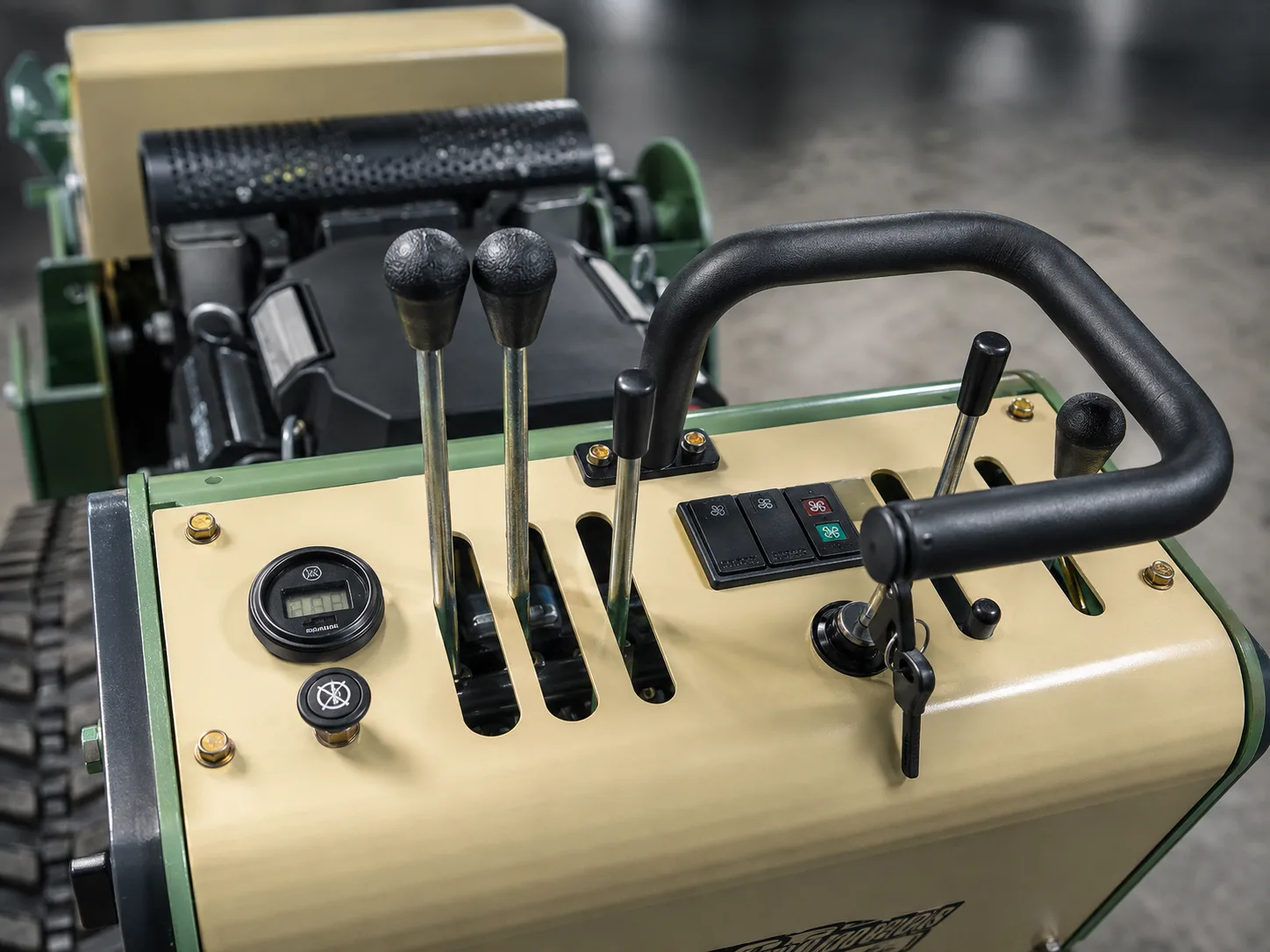 01
01
Operator Controls
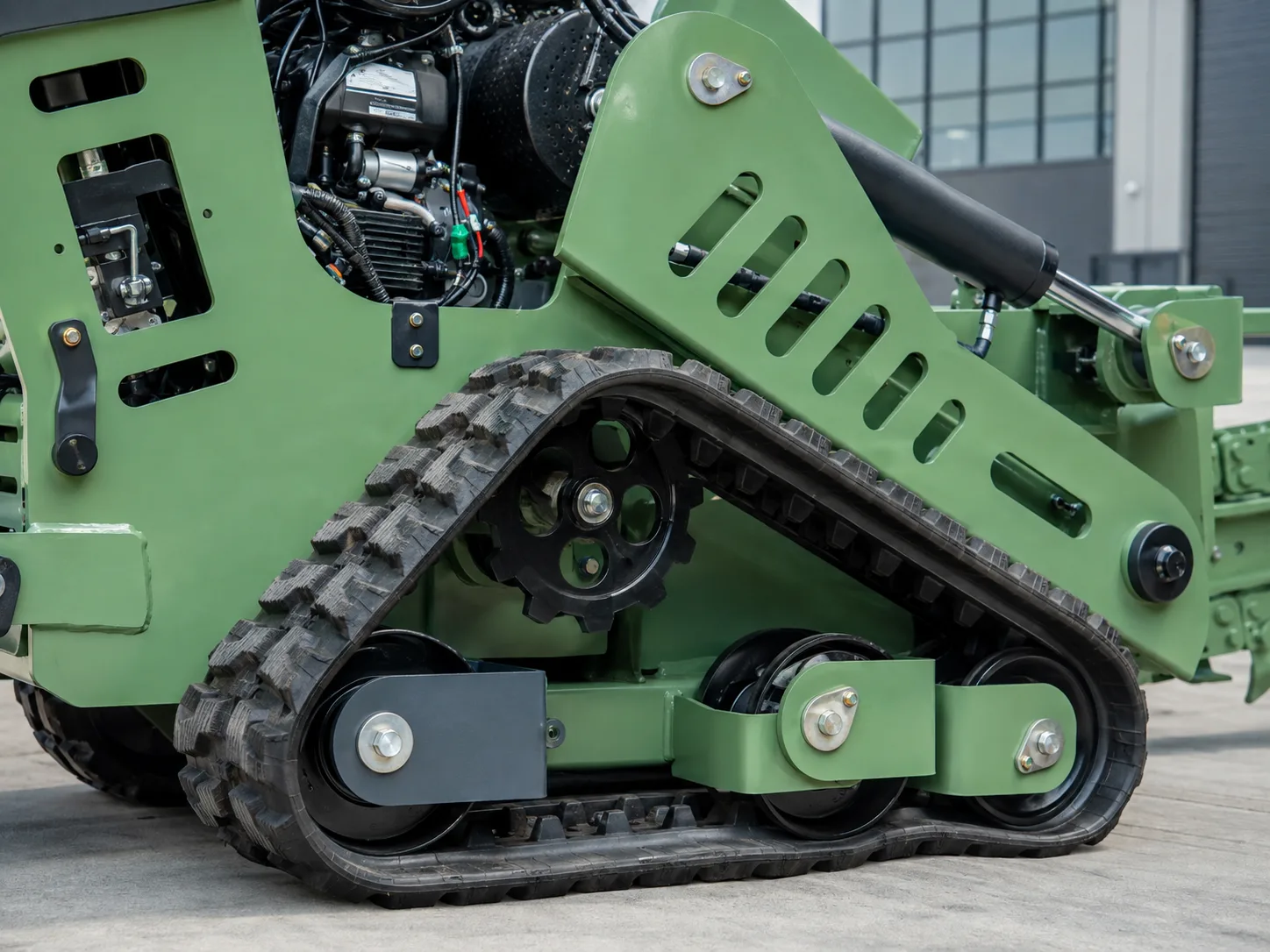 02
02
Rubber Tracks
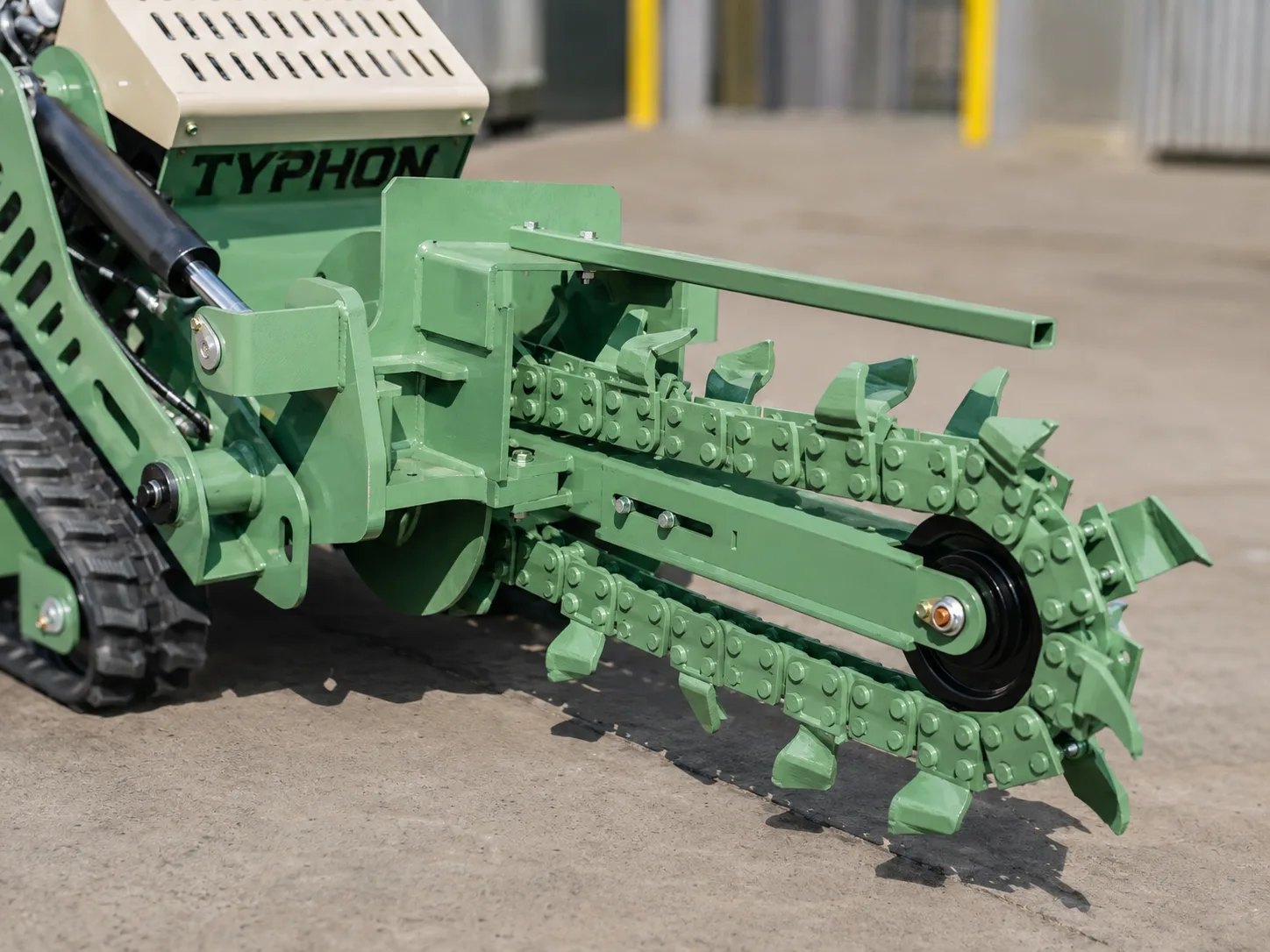 03
03
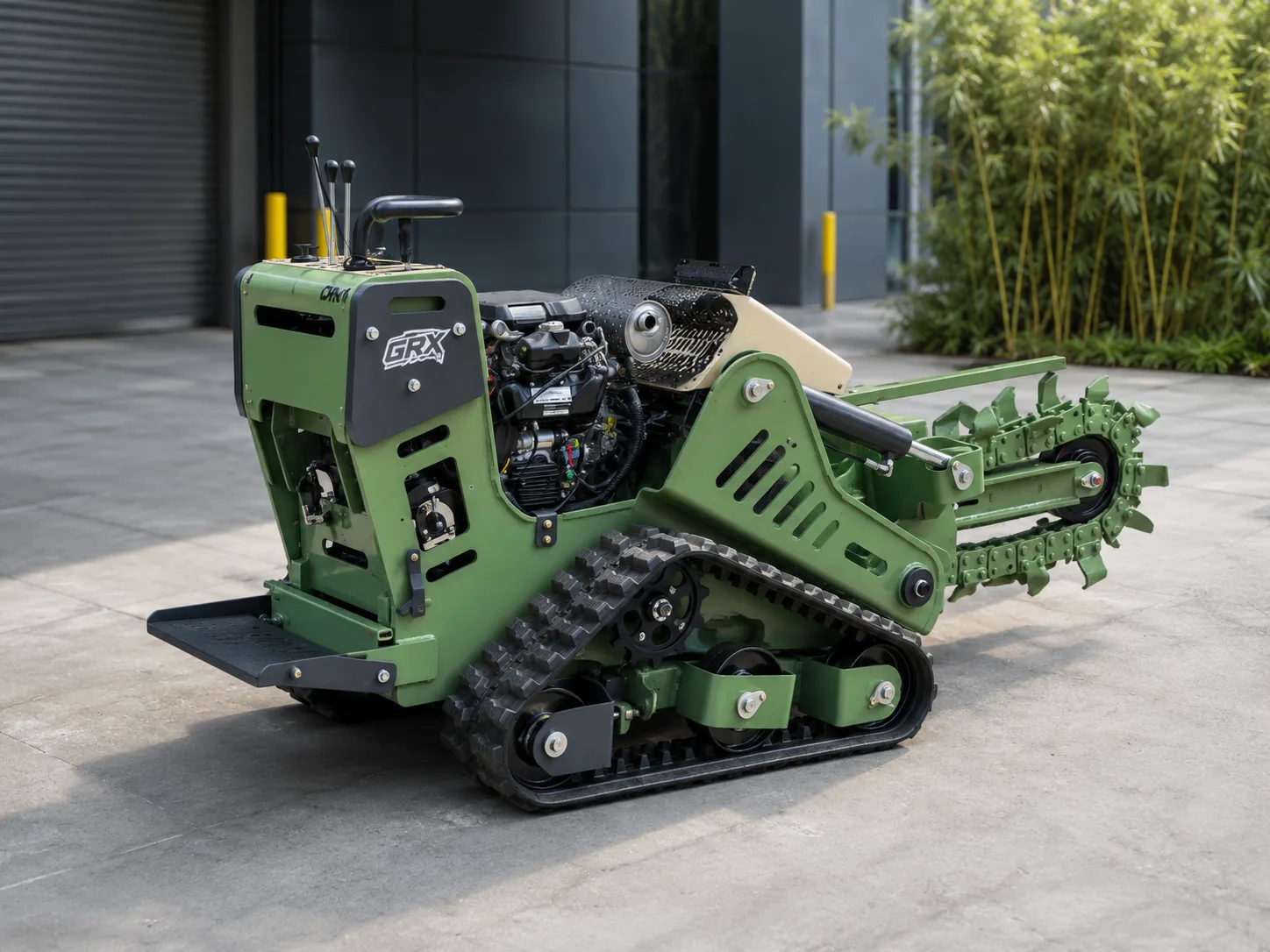
Depth Adjustment
 04
04
Material Discharge
 05
05
GroundRipper GRX1
 06
06
GRX1 Engineering
 07
07
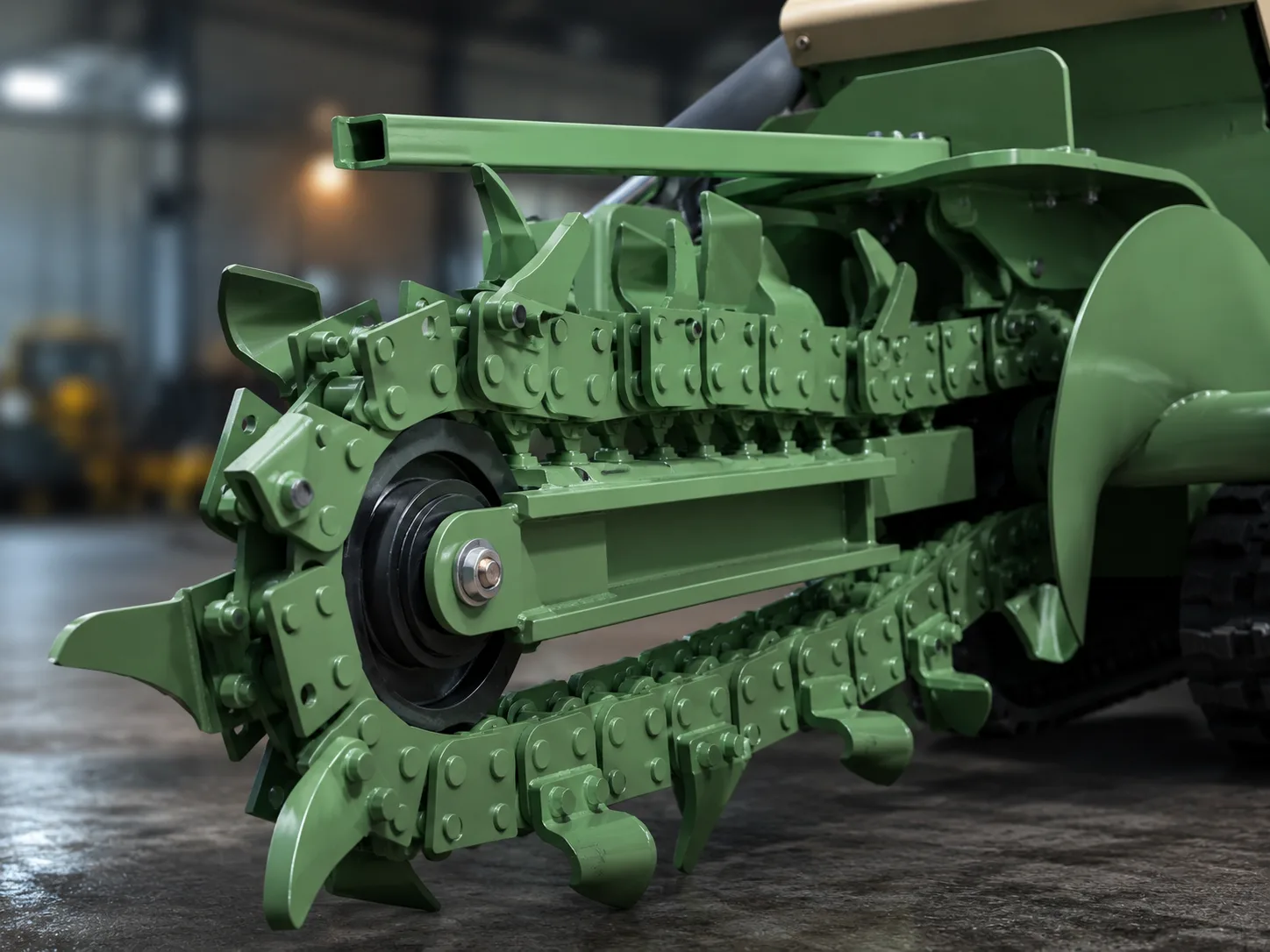
Cutting Teeth
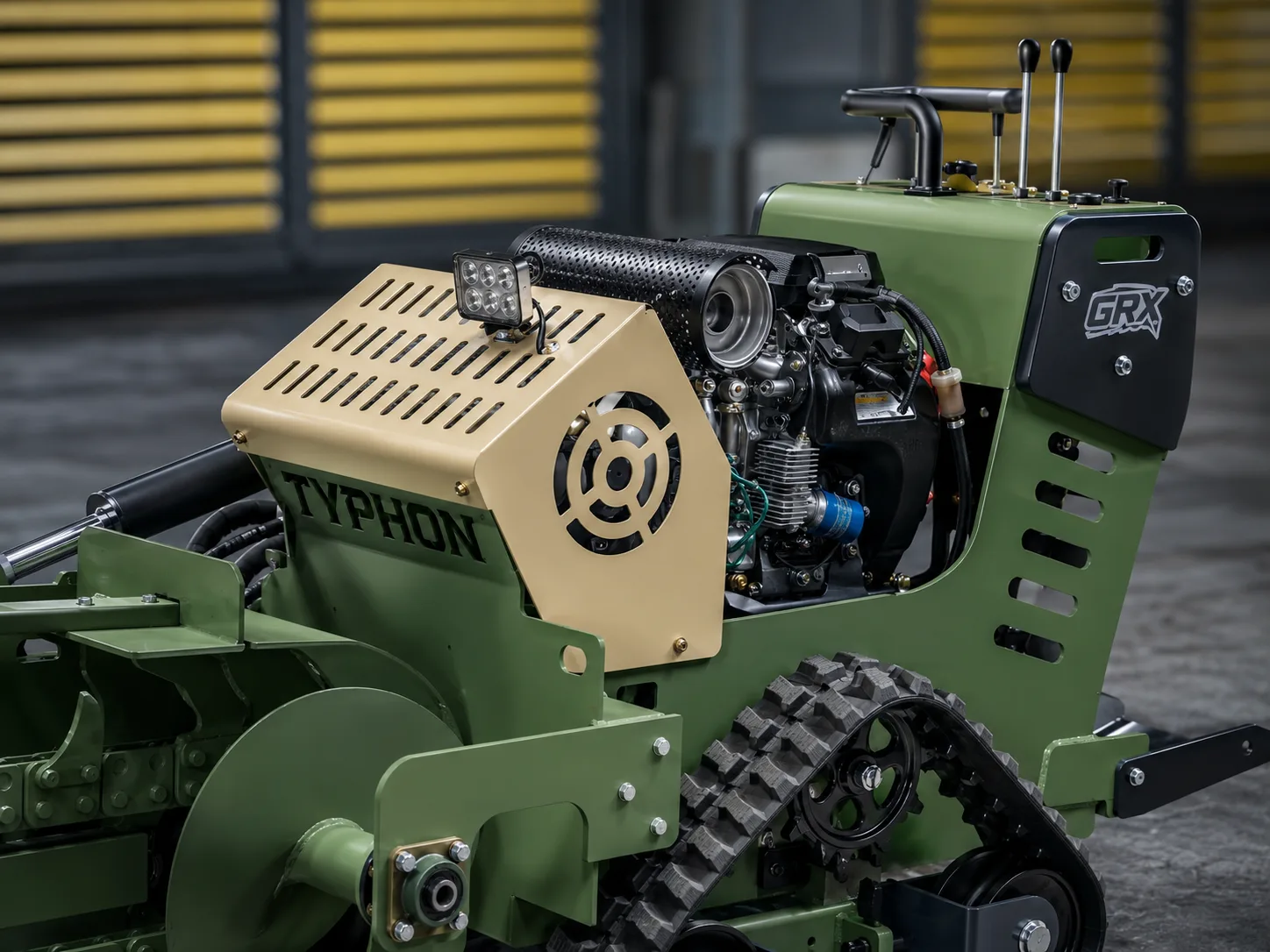 08
08
Honda GX690
 09
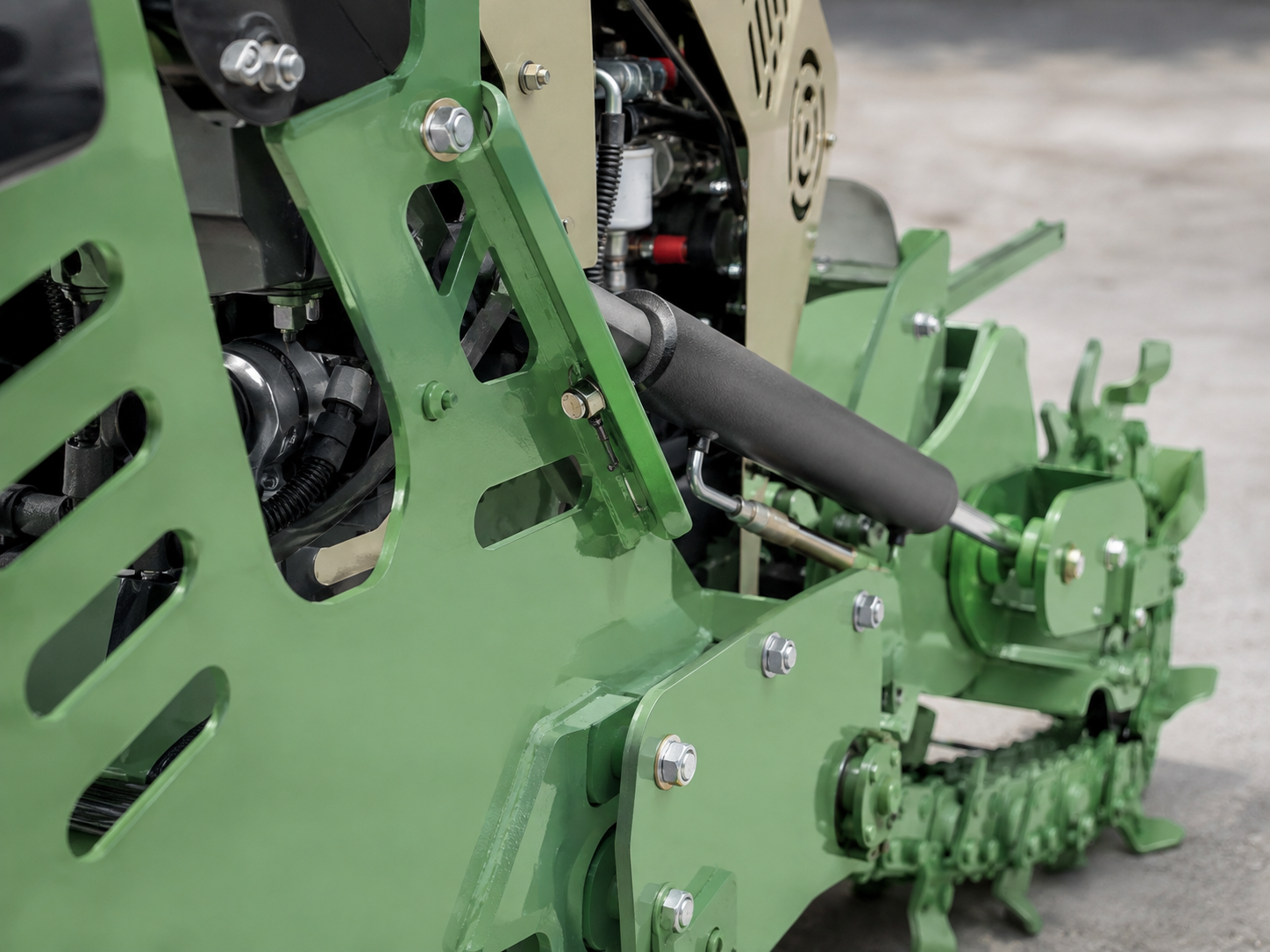
09
Hydraulic System
Inside the GroundRipper GRX1.
Explore Every Working Component.
Drag around the GroundRipper, rotate the component system, or select a numbered part to inspect its construction, function and key details.
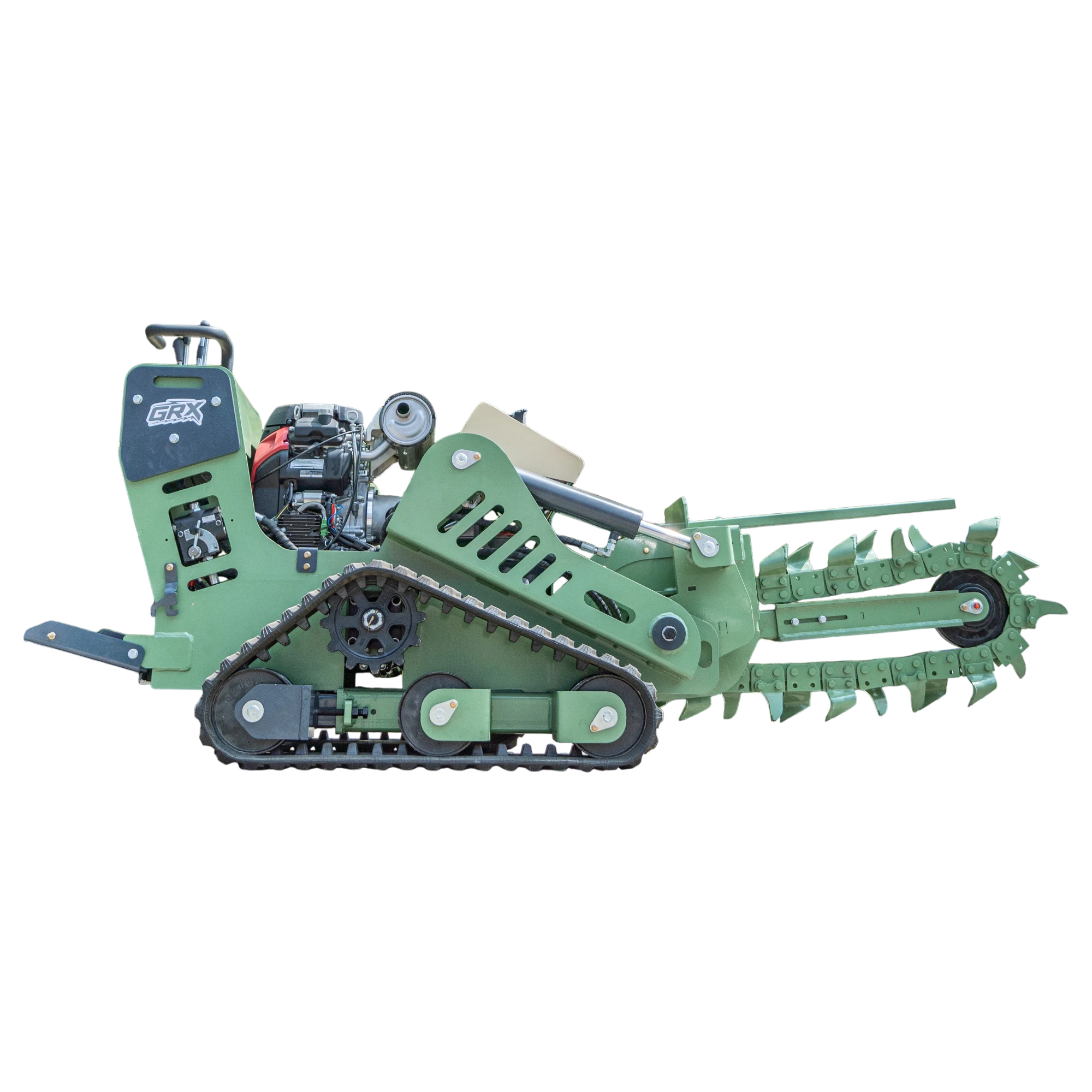
Honda GX690 Engine Assembly
The main GroundRipper GRX1 power unit supplies the power required for machine travel and hydraulic trenching operation.
Explore Our Equipment Categories
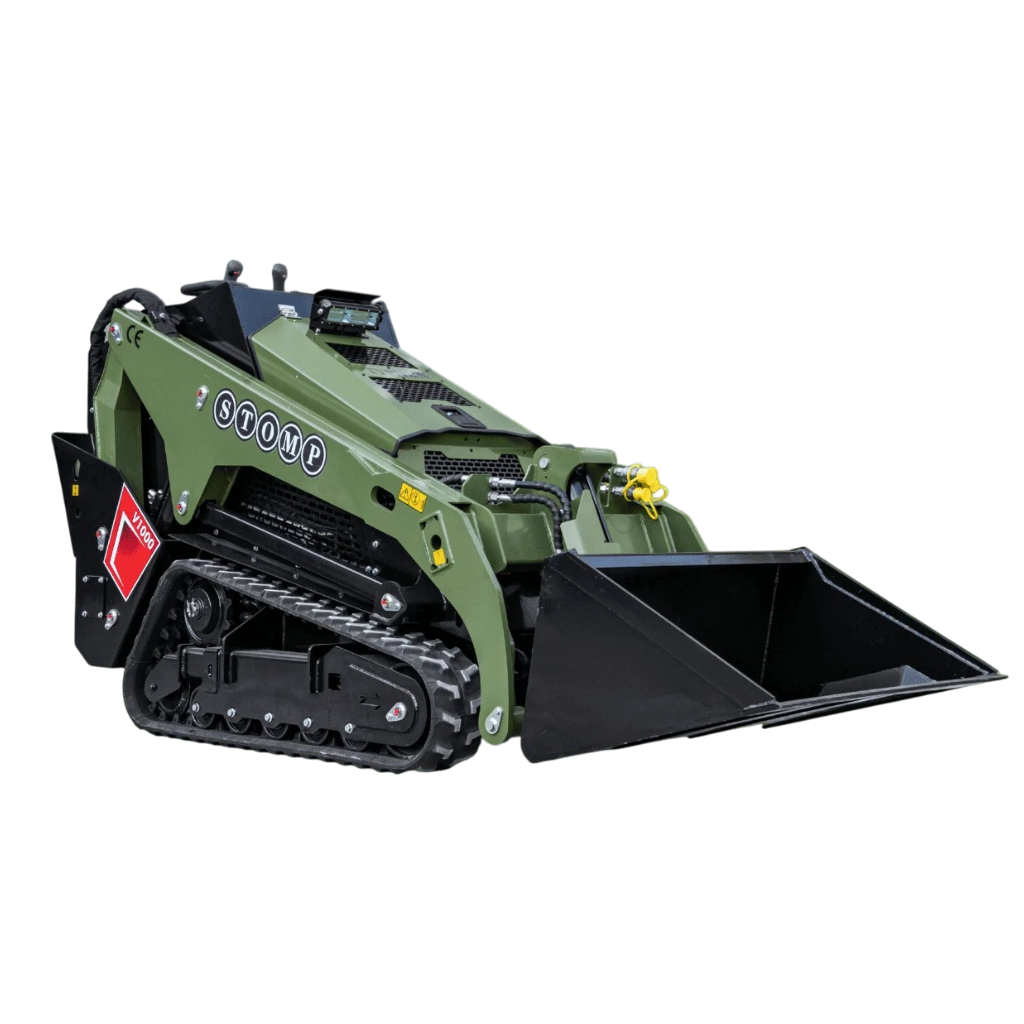
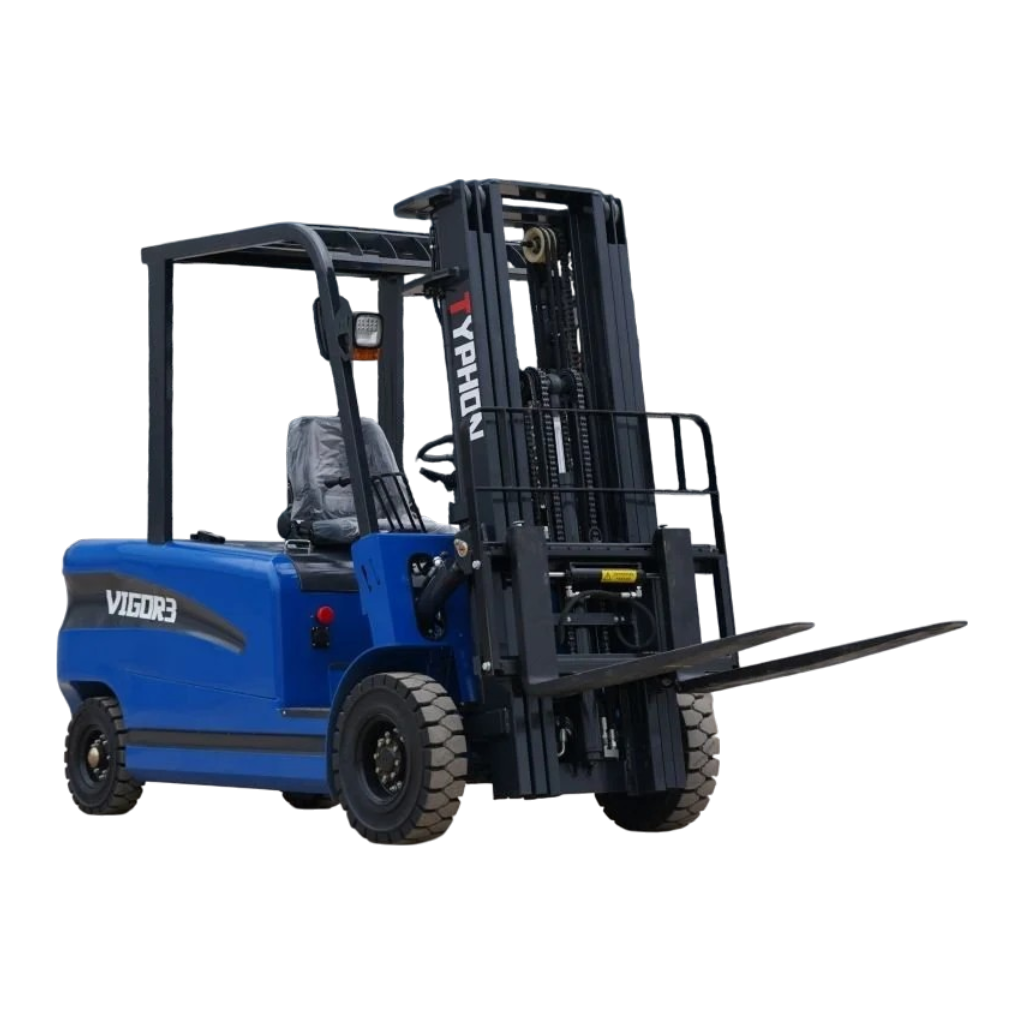
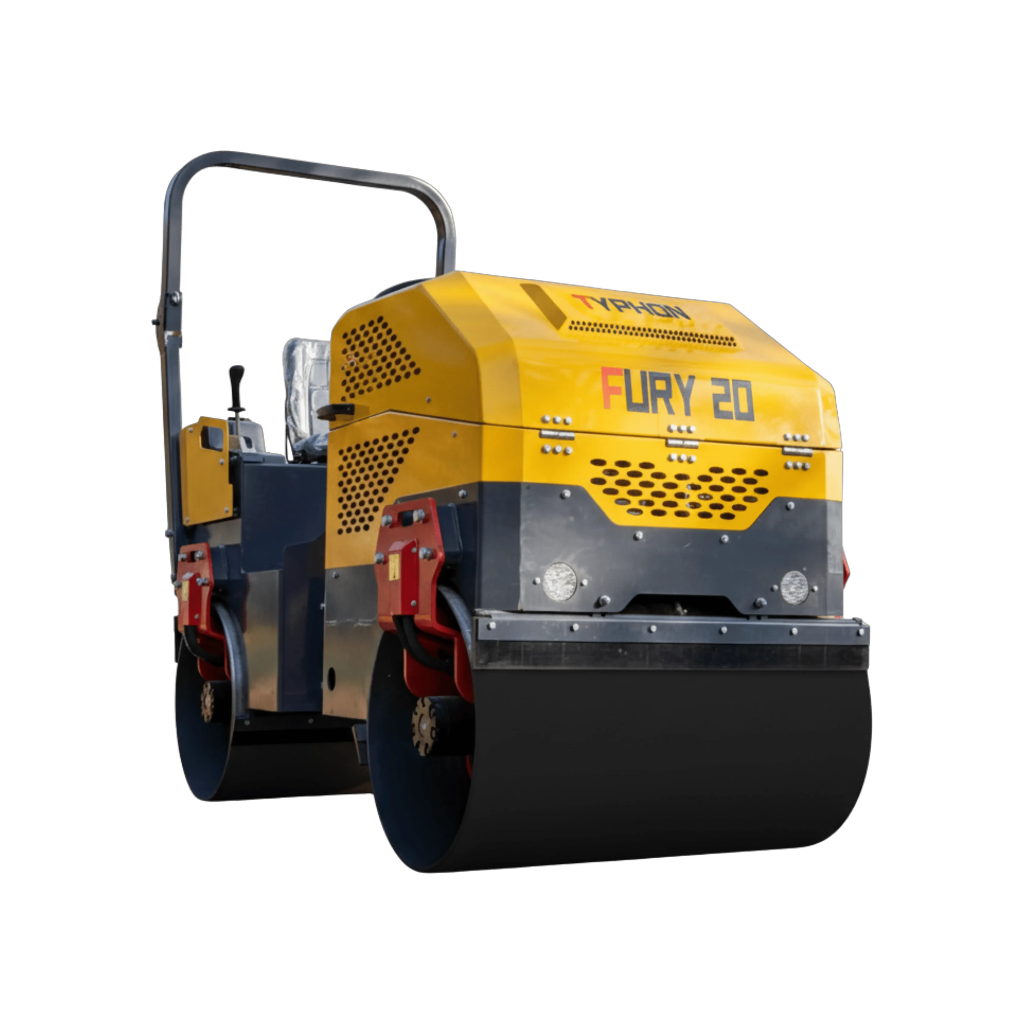
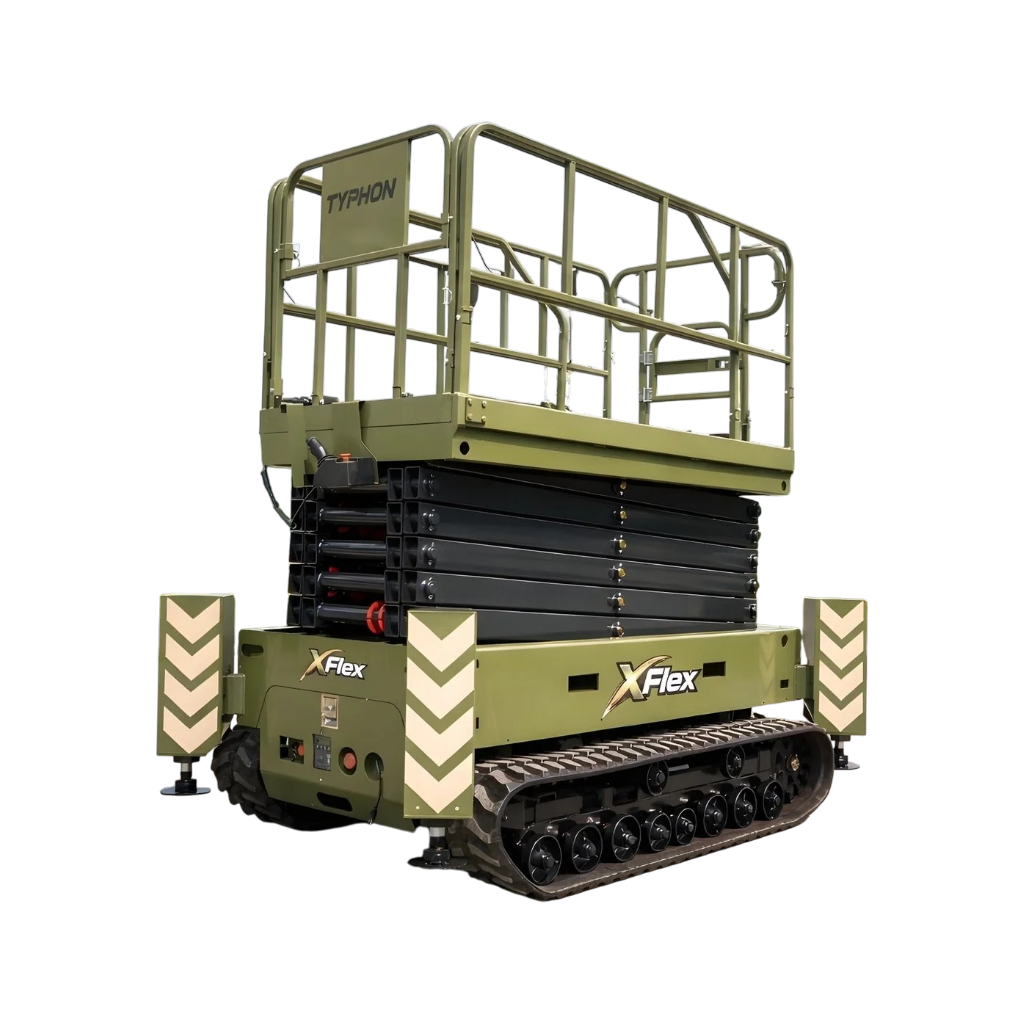
Explore our range of compact construction equipment designed for digging, lifting, loading, material handling, and jobsite work.
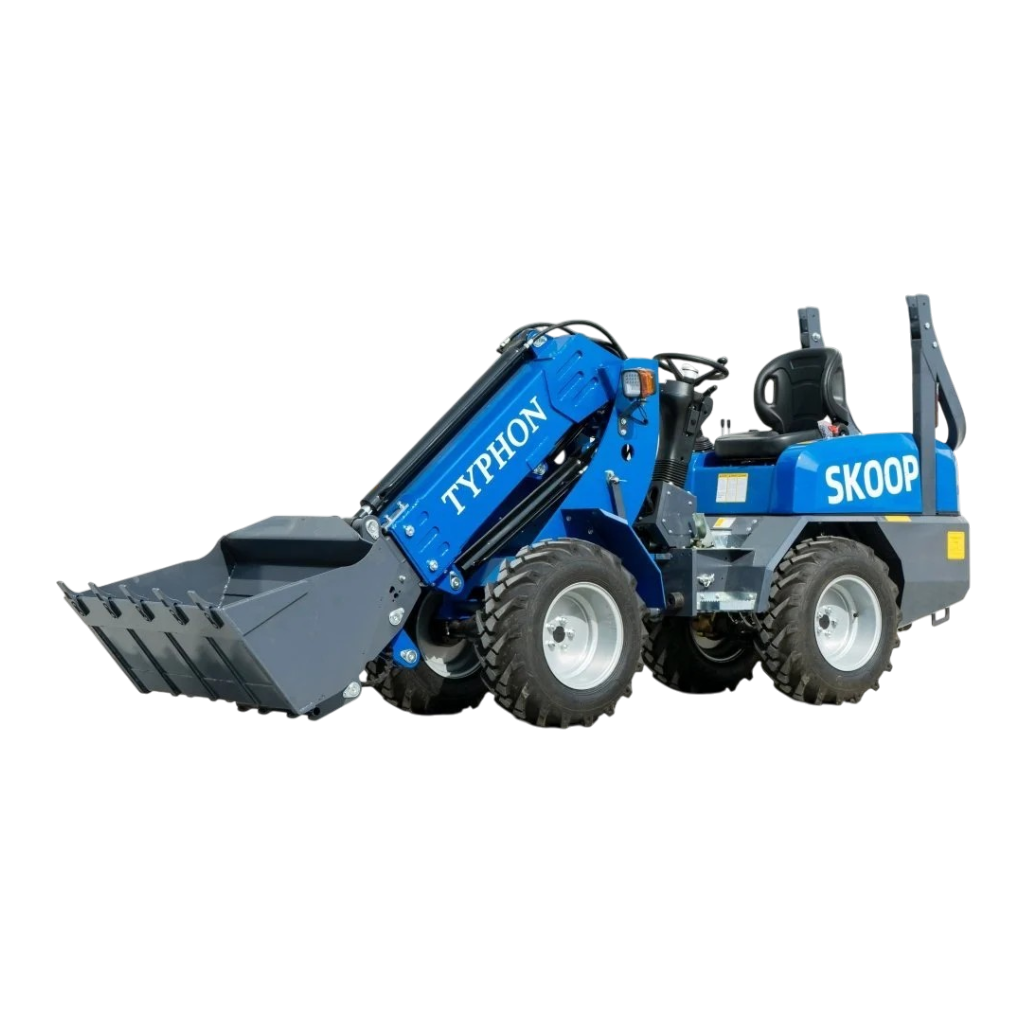
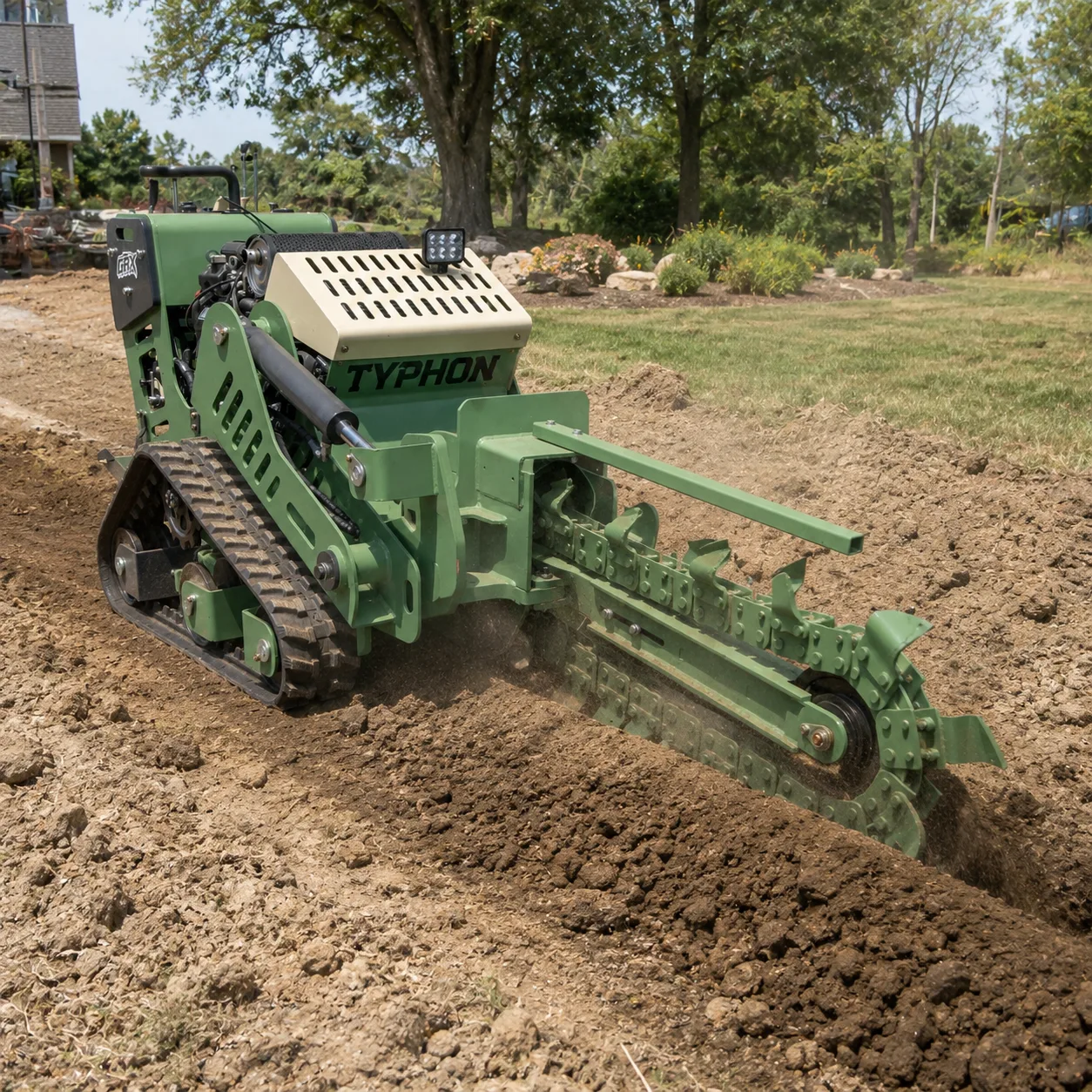
What is a Trencher?
A trencher is a high-performance machine designed to cut narrow, consistent channels into the ground. Unlike a standard excavator, a trencher uses a heavy-duty digging chain or wheel to remove earth with surgical precision, making it the most efficient tool for underground utility installation.
- Fast Channel Cutting
- Precision Depth
- Soil & Rock Ready
- Utility Optimized
Commonly used for fiber optics, electrical routing, and water infrastructure.
Precision vs. Traditional Bulk
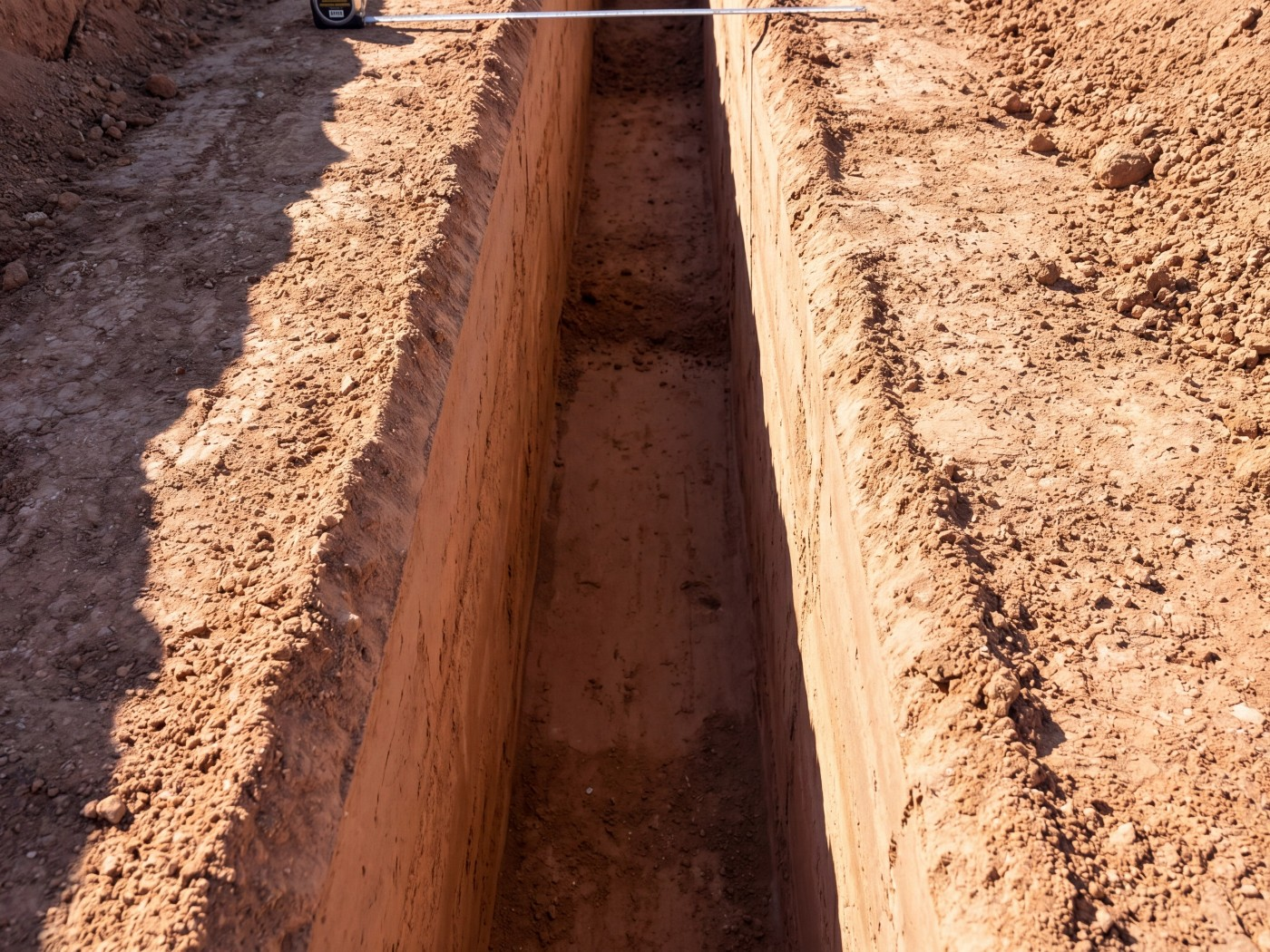
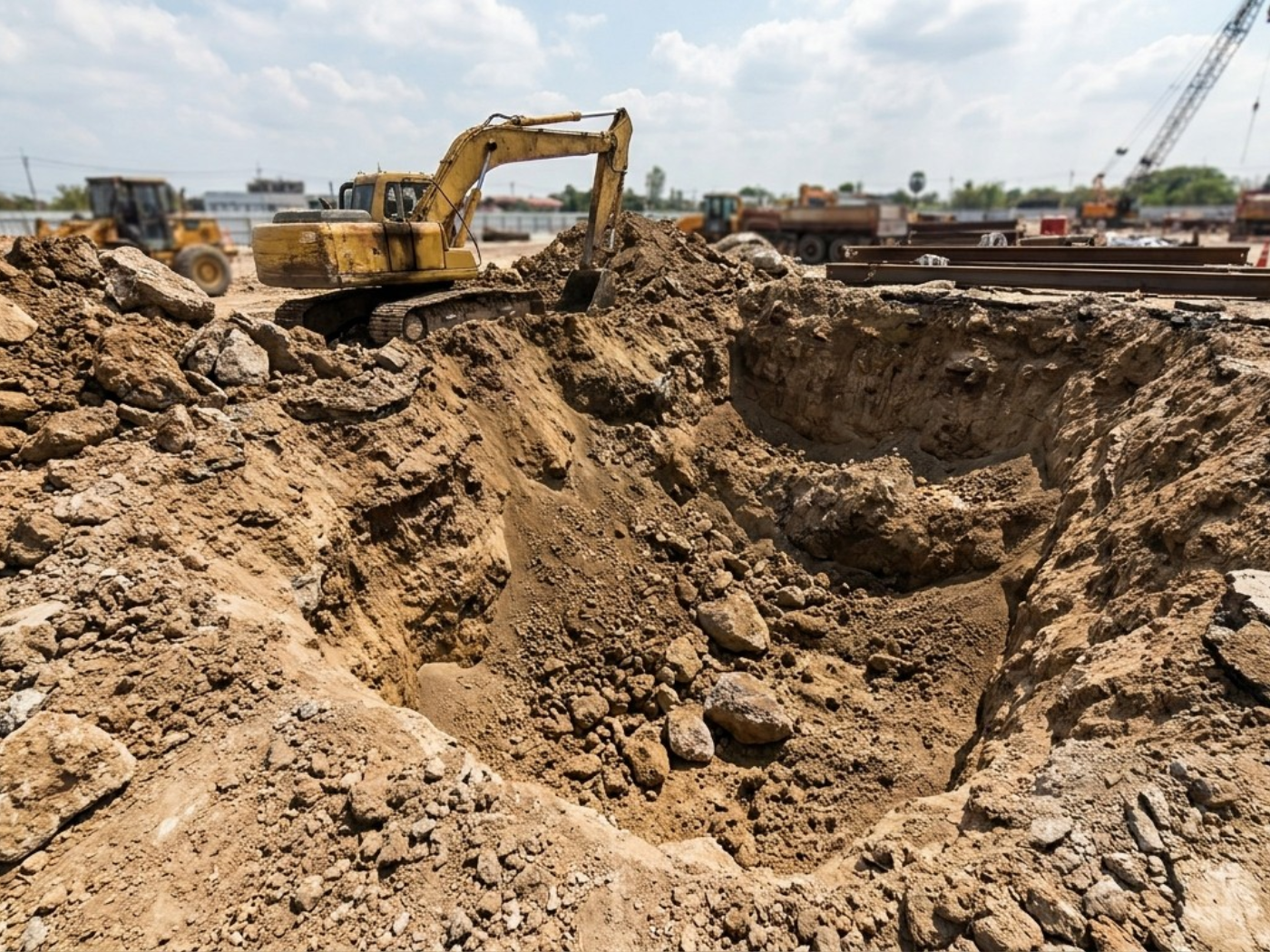
"A trencher finishes in 1 hour what an excavator does in 4."
Trencher Systems for Skid Steer Loaders
Explore the TYPHON series: heavy-duty trencher attachments engineered to equip seamlessly with your skid steer, providing professional-grade digging depth and industrial chain speed.
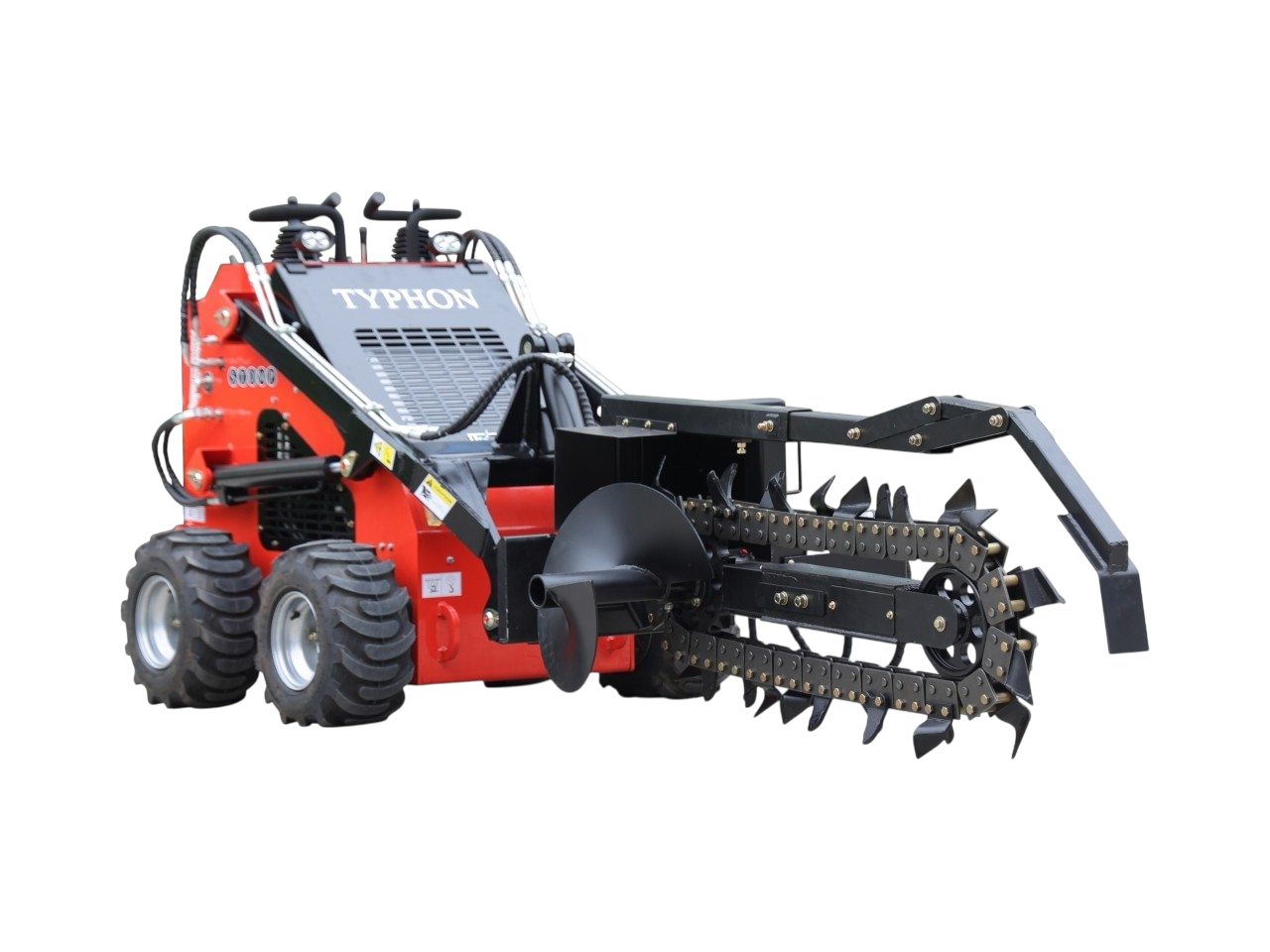
What Are the Different Types of Trenchers?
Trenchers vary widely in size, functionality, and ideal use cases. Select a category below to explore the engineering and application of each machine.
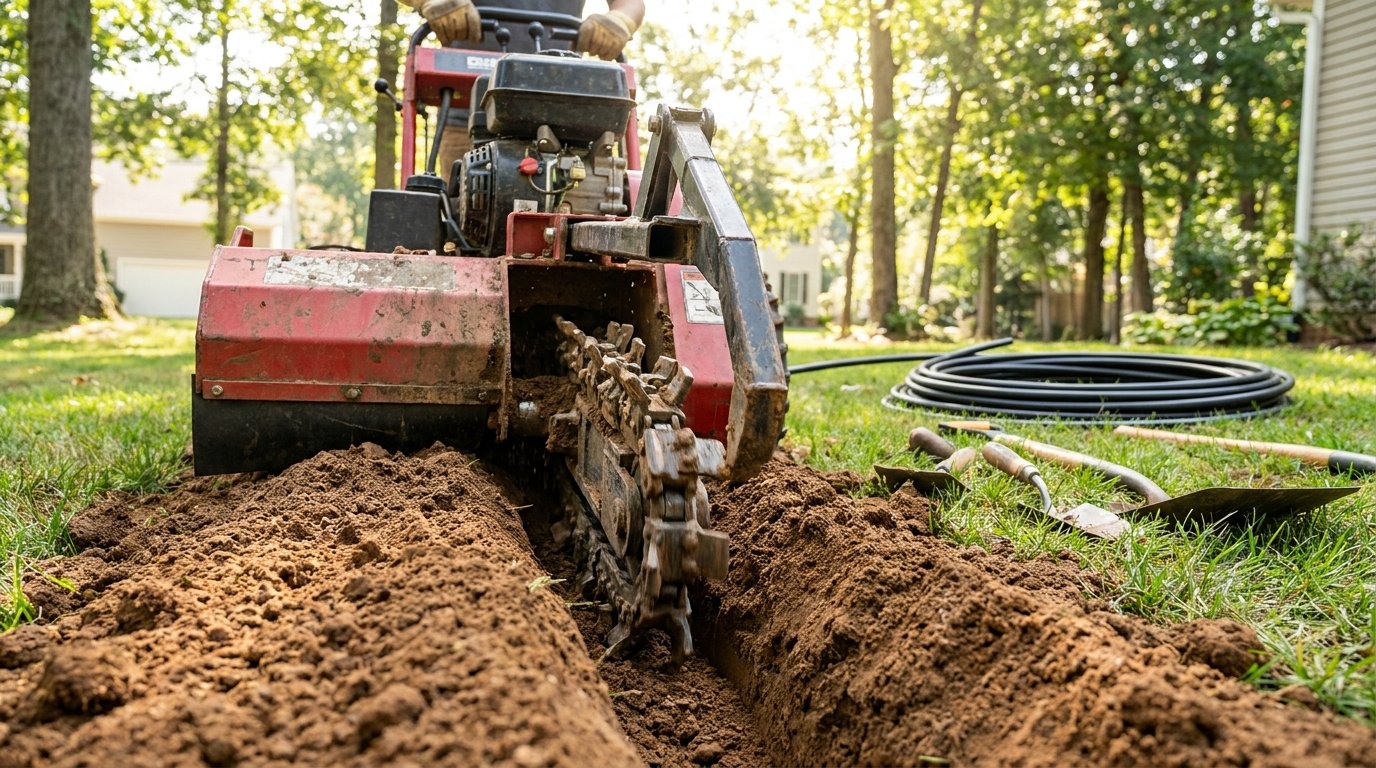
Walk Behind Trenchers
Great for smaller residential jobs, walk behind trenchers are easy to maneuver, require less training to operate, and can tackle softer terrain with ease.
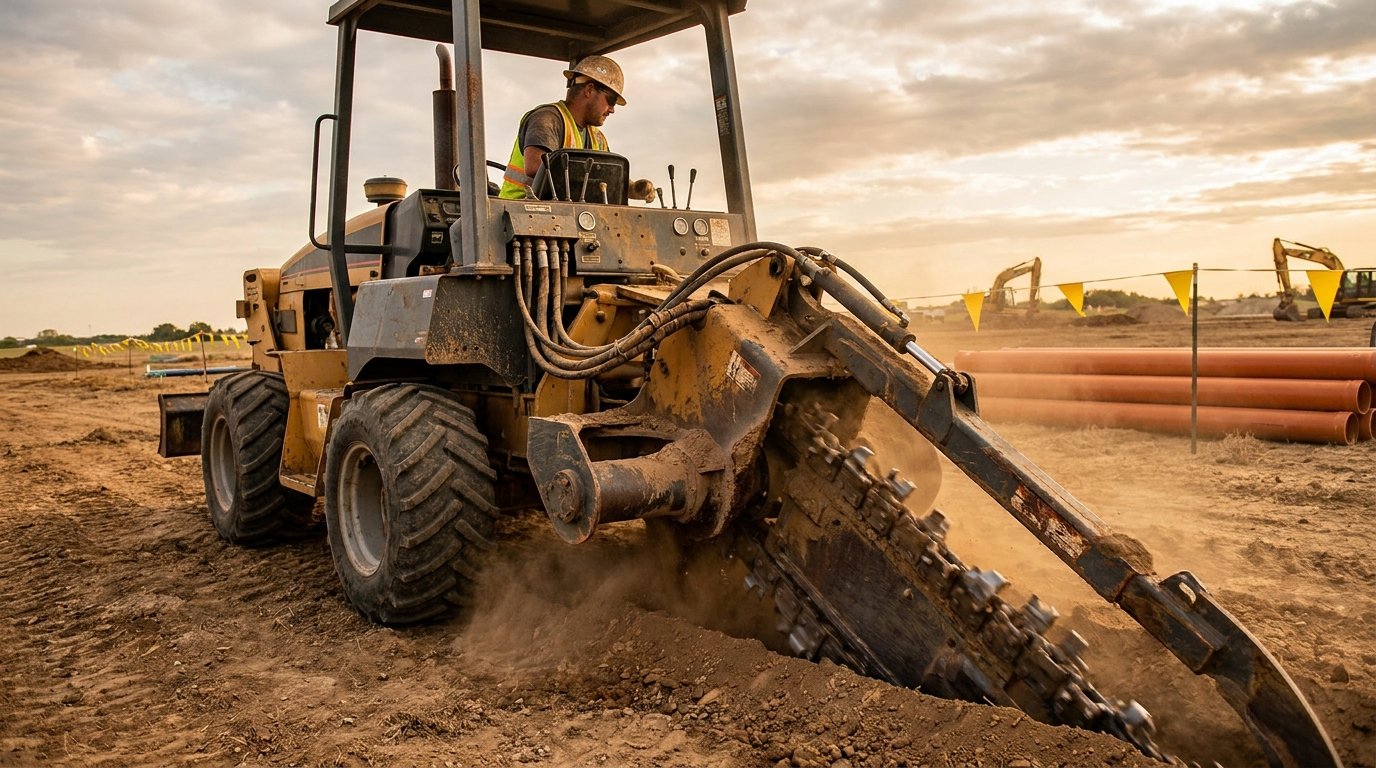
Ride-On Trenchers
When the job gets a little bigger or the ground gets tougher, a ride-on trencher offers significantly more power and greater digging depths than walk-behind models.
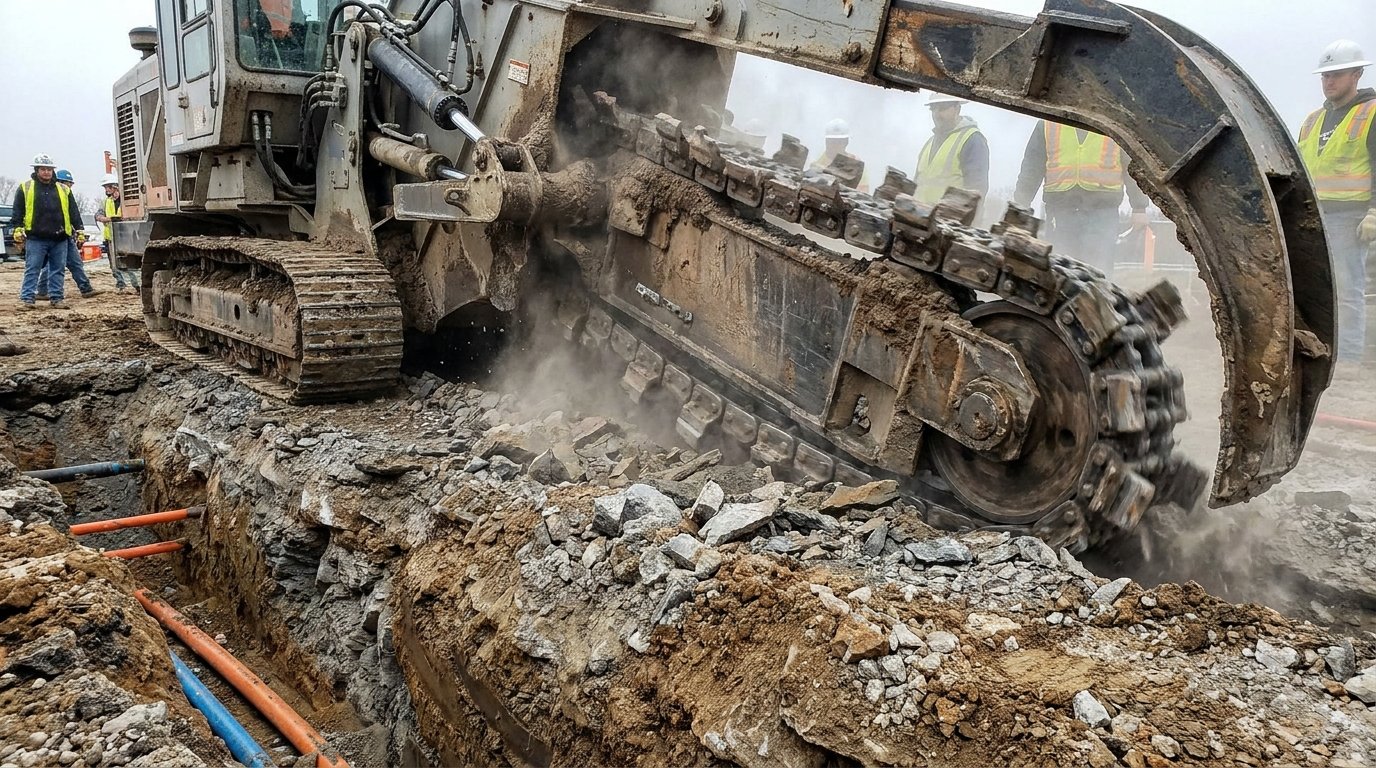
Chain Trenchers
Think of these as giant chainsaws for the earth. They use a continuous heavy-duty chain with specialized digging teeth to aggressively cut into the soil.
Wheel Trenchers
These machines utilize a large, toothed metal wheel to slice through the ground. They are preferred where extremely clean, stable trench walls are required.
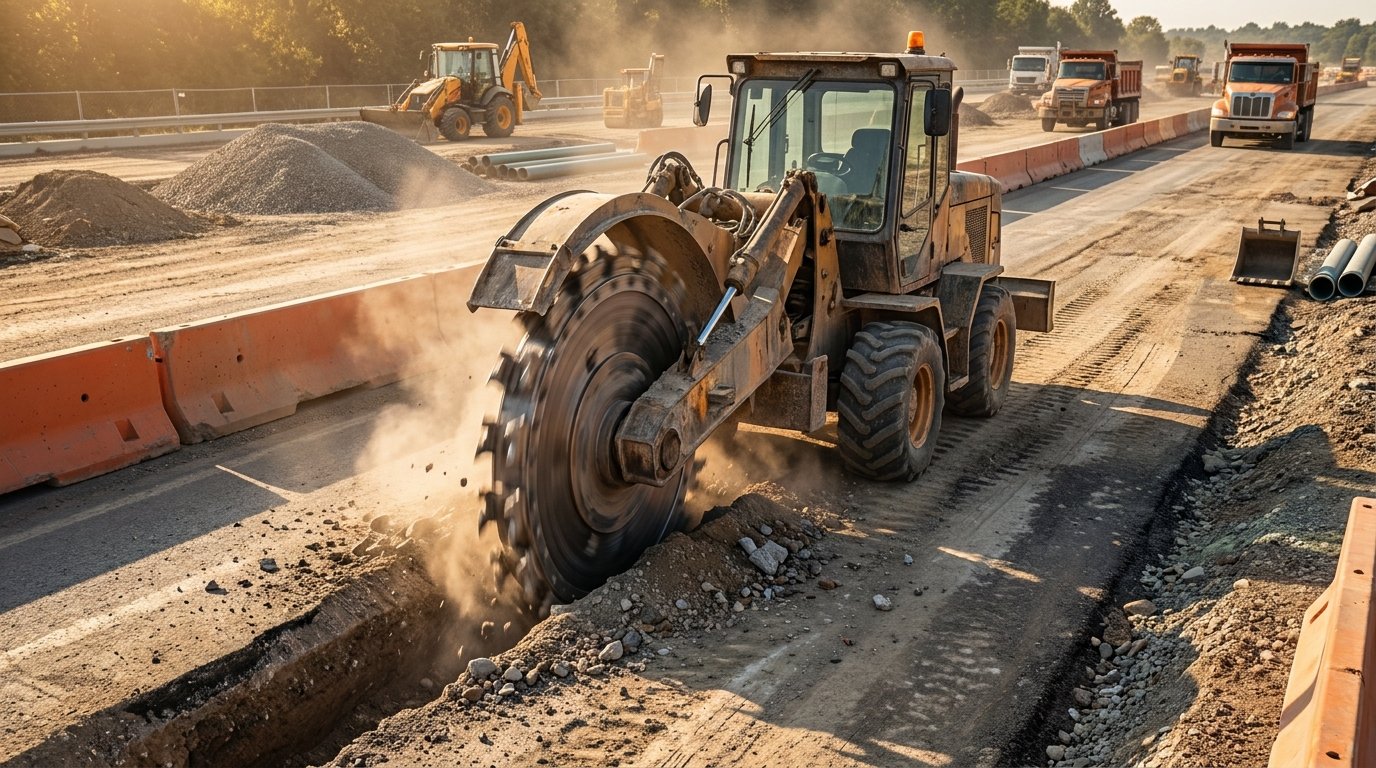
Micro Trenchers
For projects that require extremely narrow cuts, micro trenchers are the go-to solution. They are smaller, hyper-precise, and minimize surrounding surface disruption.
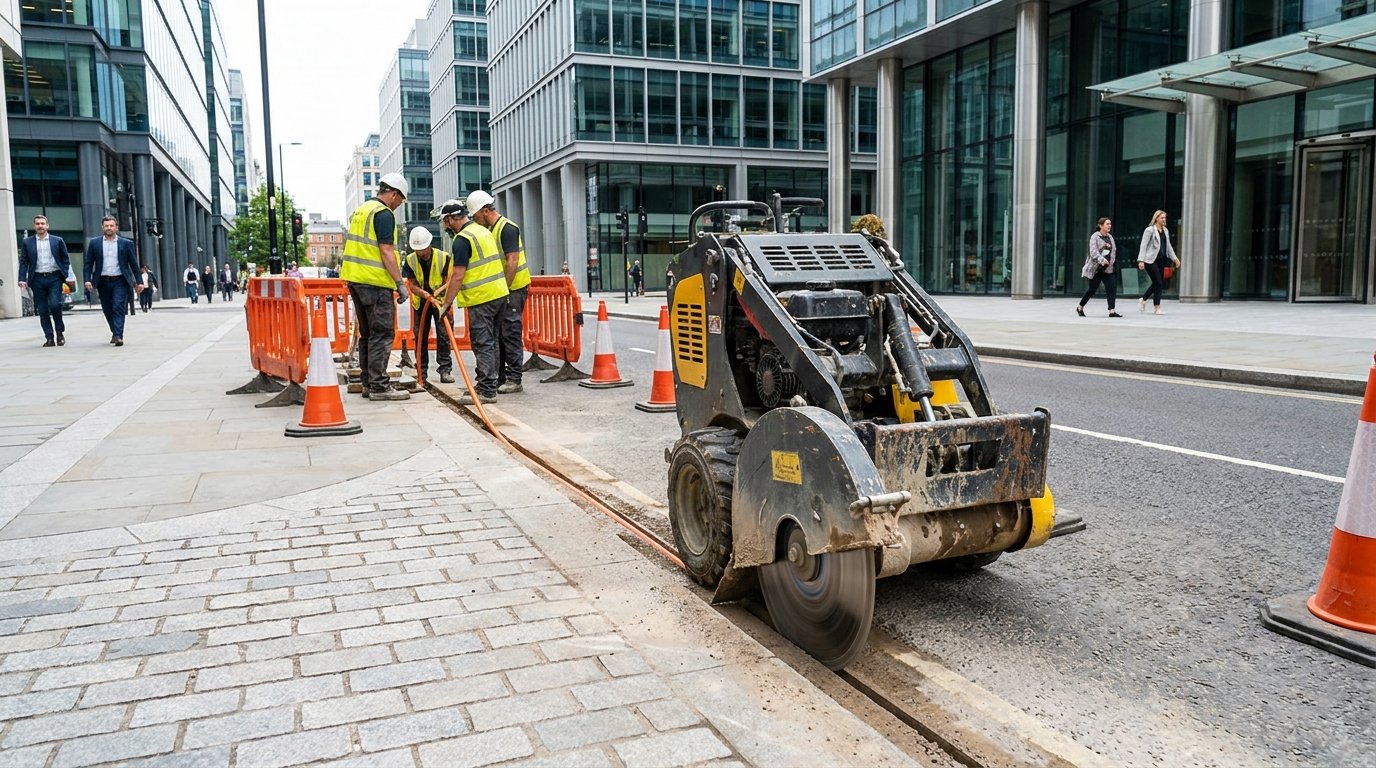
Trencher Attachments
If you already operate a skid steer or compact loader, you can outfit it with a specialized trencher attachment. This provides professional digging power without renting a dedicated machine.
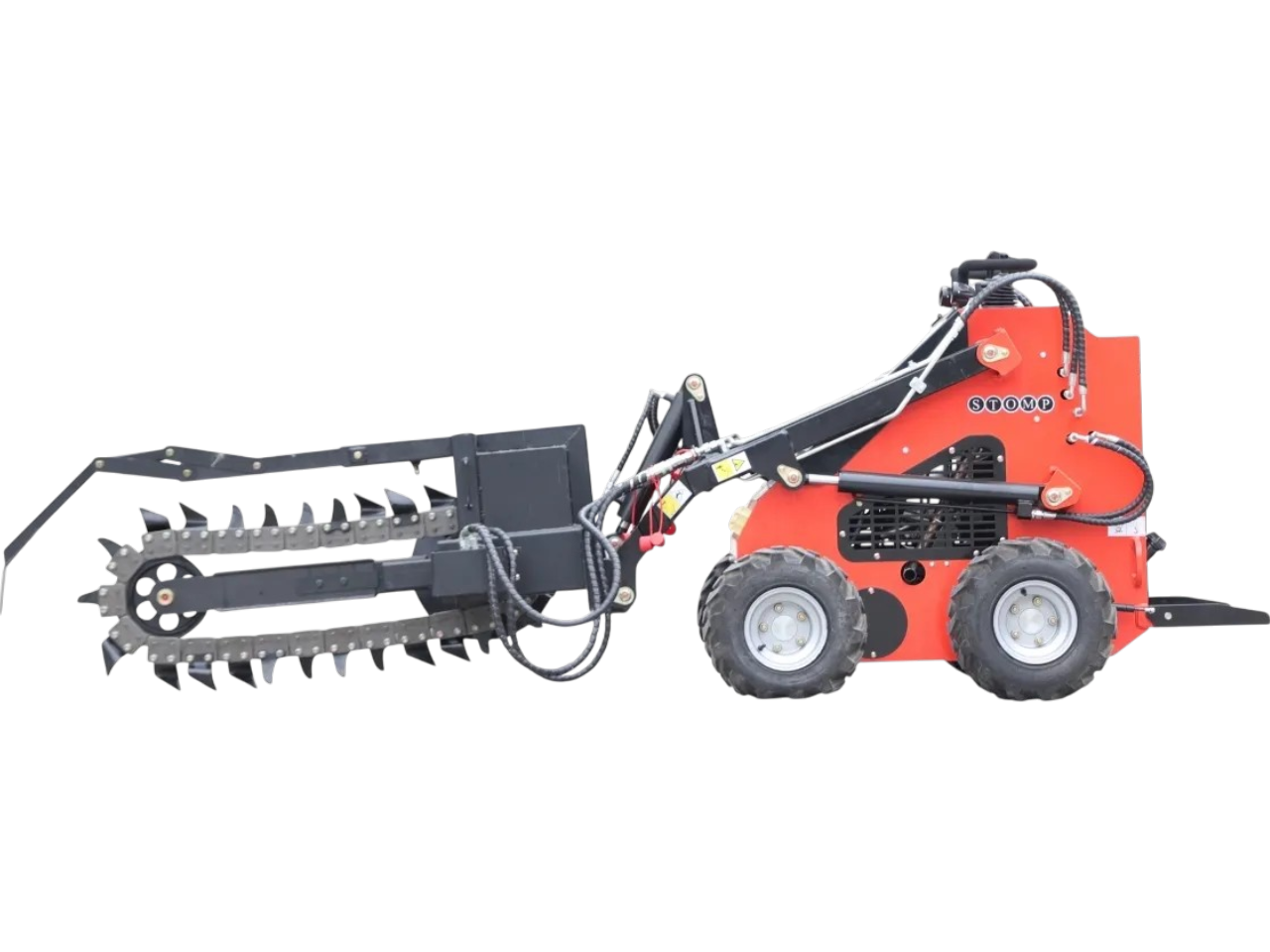
Trenching Safety Guide
Trenching work needs clear planning, trained operators, and strict site control. This section highlights the basic safety points every crew should check before digging near utilities, deep soil cuts, or active jobsite traffic.
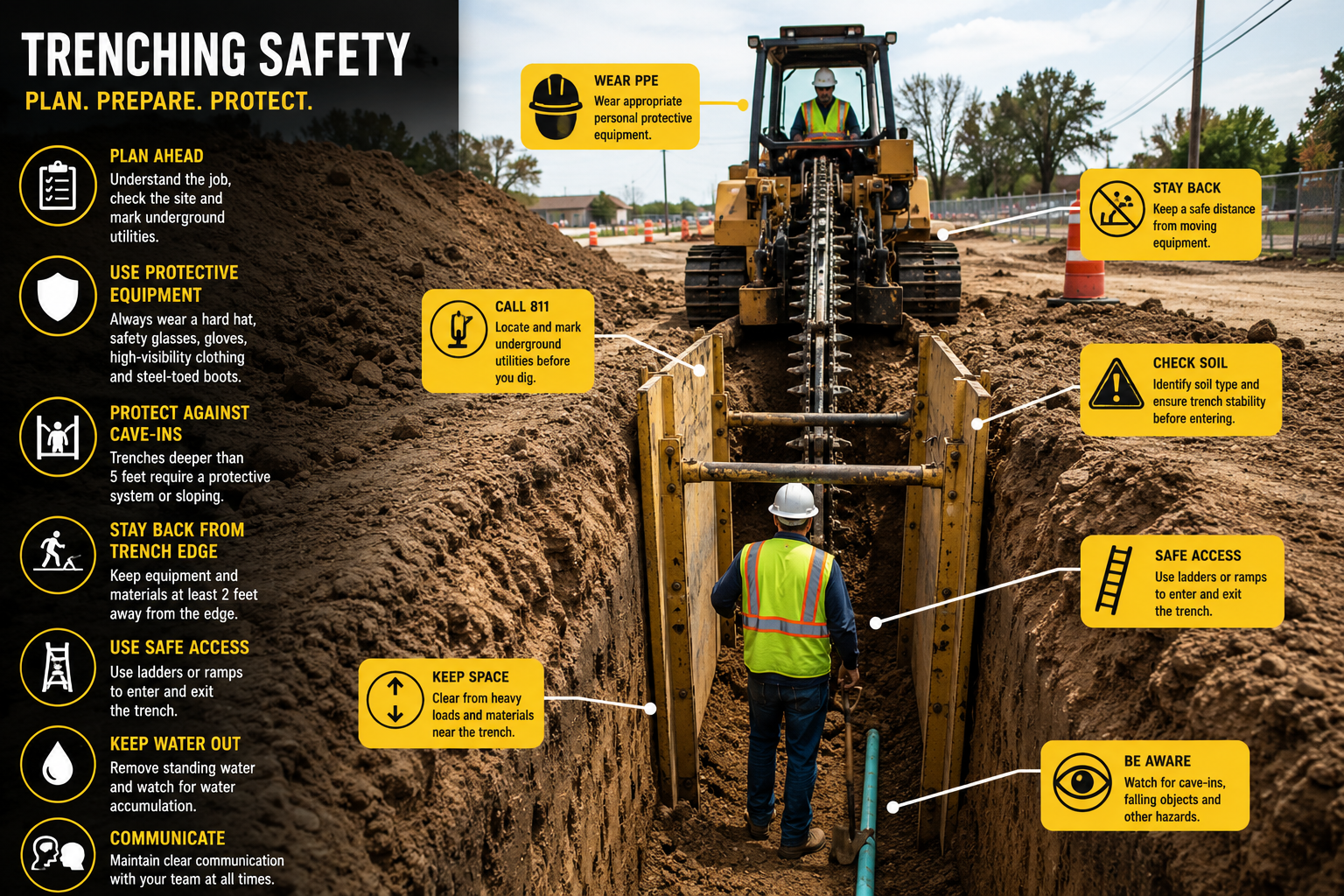
! Utility Lines
Contact 811 before excavation and mark the work area clearly. This helps reduce the risk of hitting buried electrical, gas, water, or communication lines.
Before You Dig
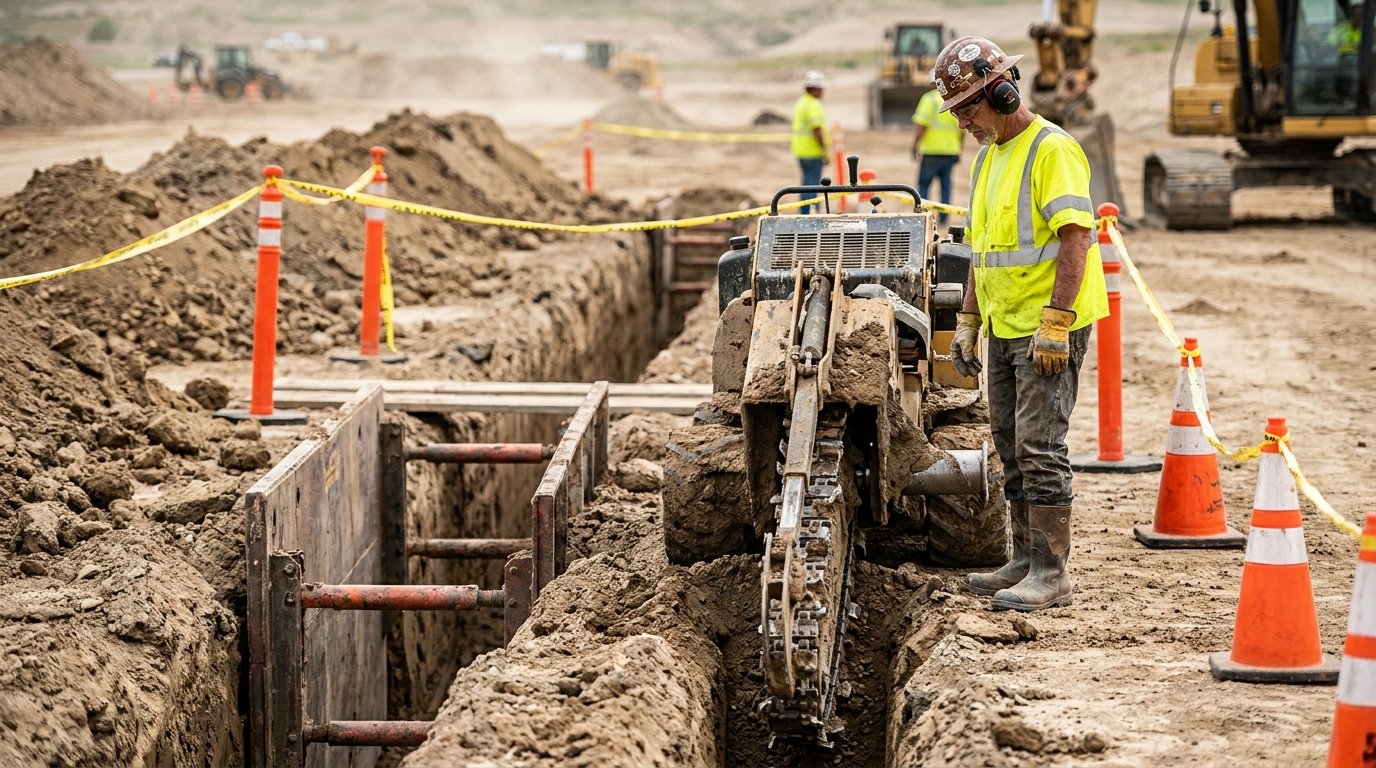
01 Safety PPE
Operators and ground workers should wear hard hats, safety boots, eye protection, gloves, and high-visibility clothing near the trenching area.
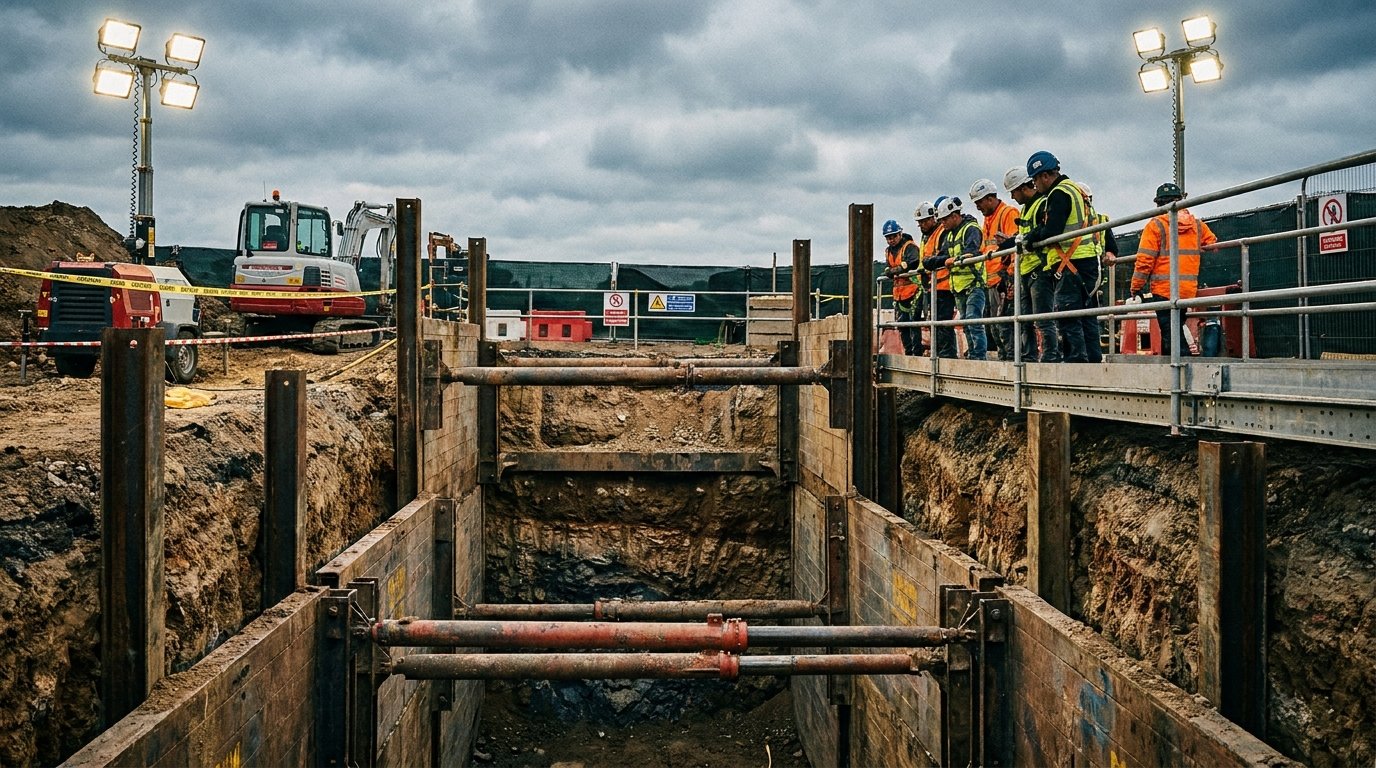
02 Deep Trenches
Deeper trenches need proper side-wall support, safe entry points, and clear soil placement away from the trench edge to reduce collapse risk.
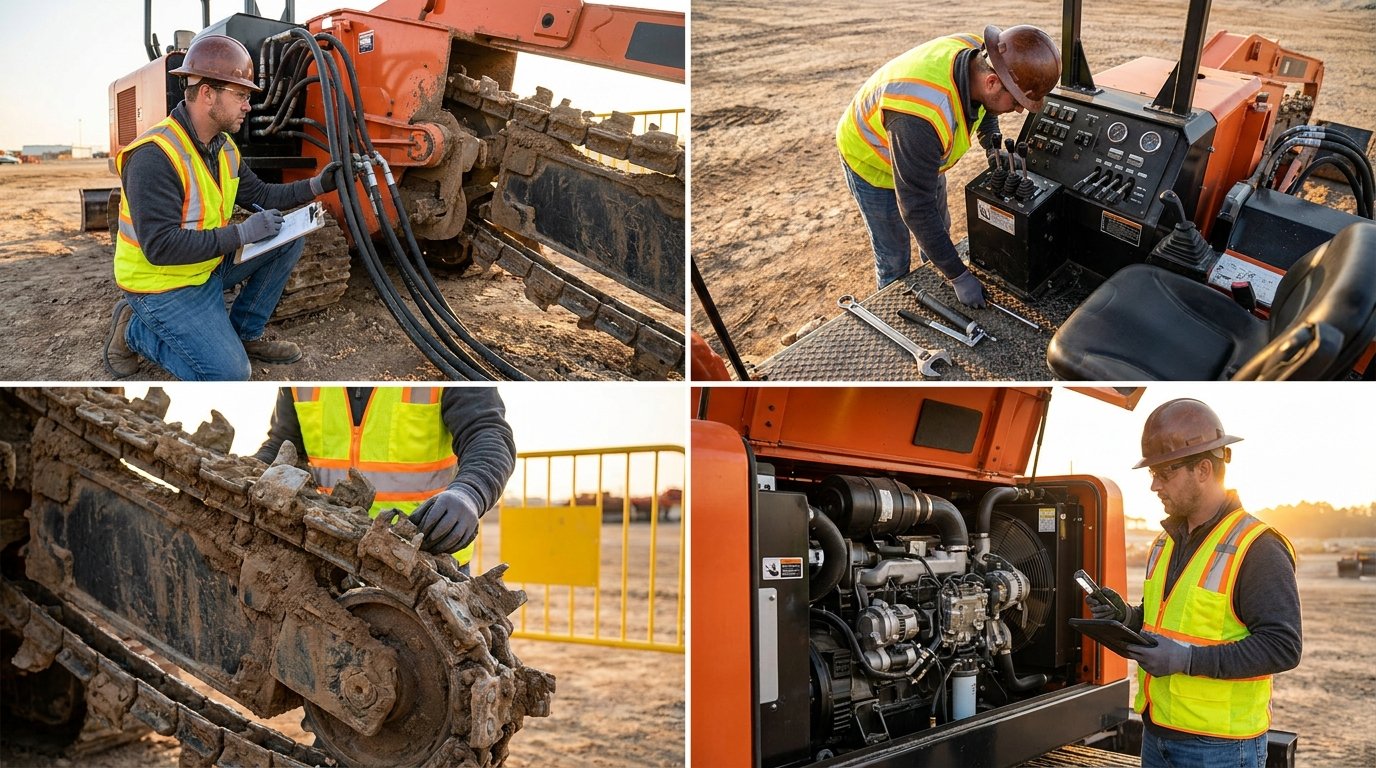
03 Equipment Check
Inspect the chain, teeth, hydraulic lines, controls, guards, and warning labels before each shift. Stop work if the machine feels unstable.
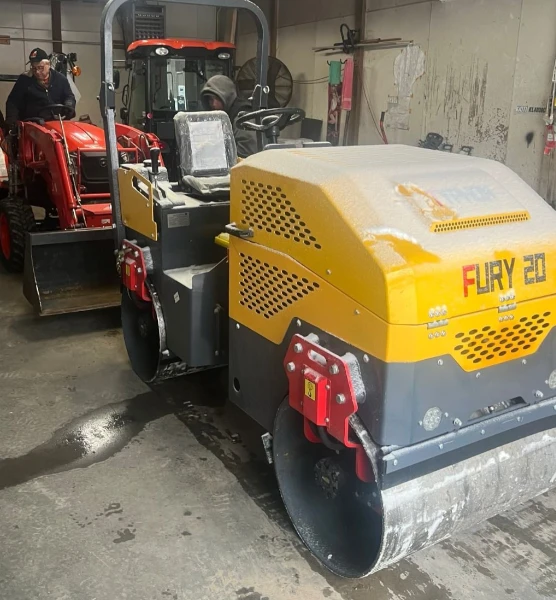
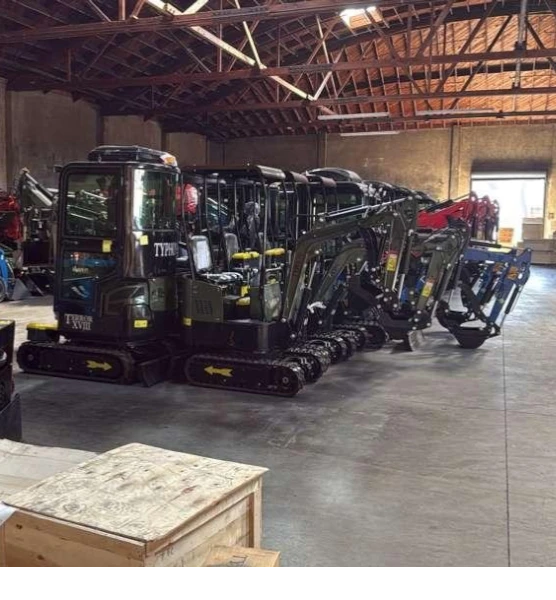
USA Warehouse Hub
Experience the build quality of our specialized machinery in person. Our California facility serves as the primary distribution hub for the North American market. Walk-ins are always welcome.
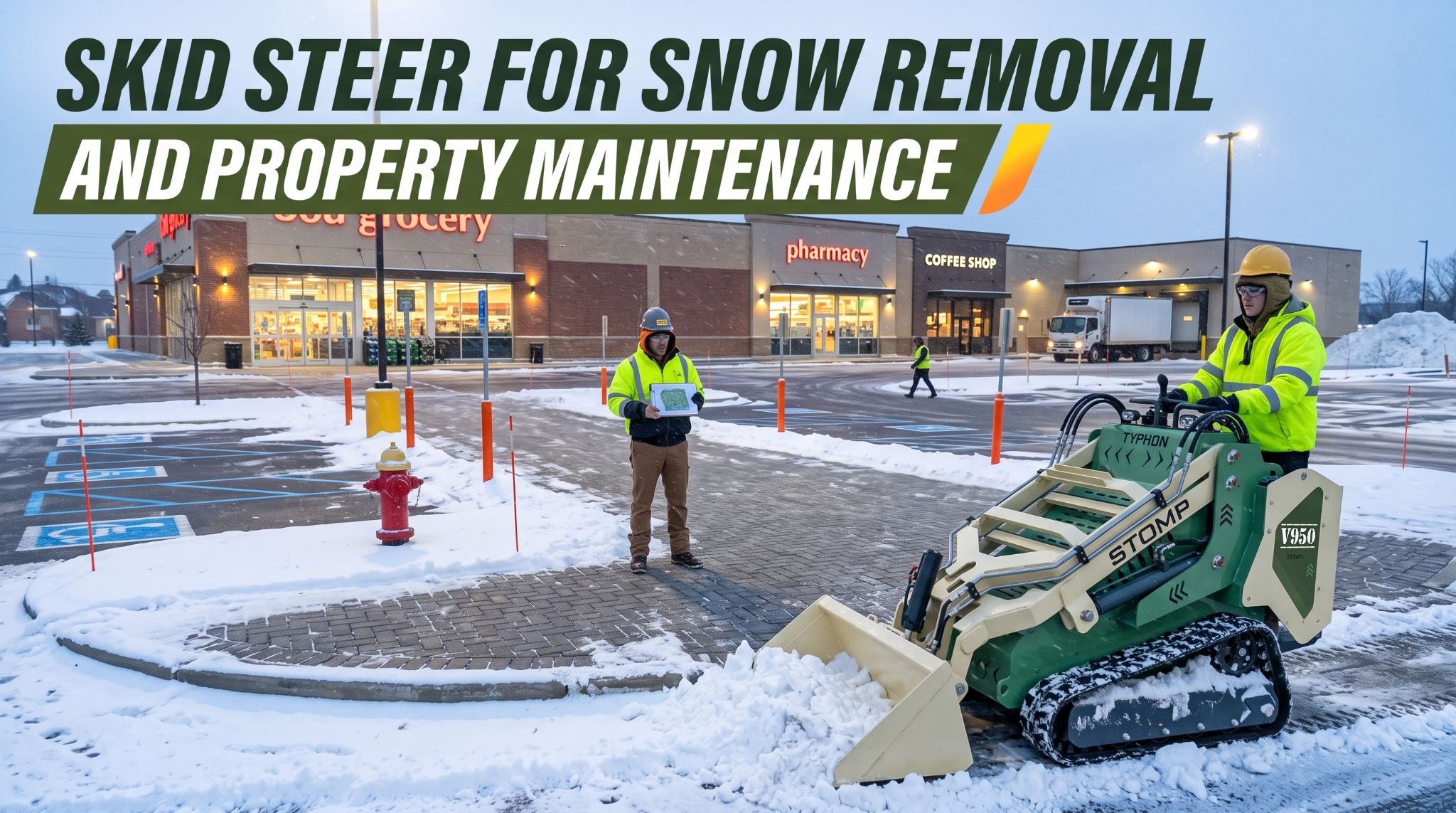
Skid Steer for Snow Removal and Property Maintenance Clearing a commercial property after a heavy snowfall can become a race…
Read More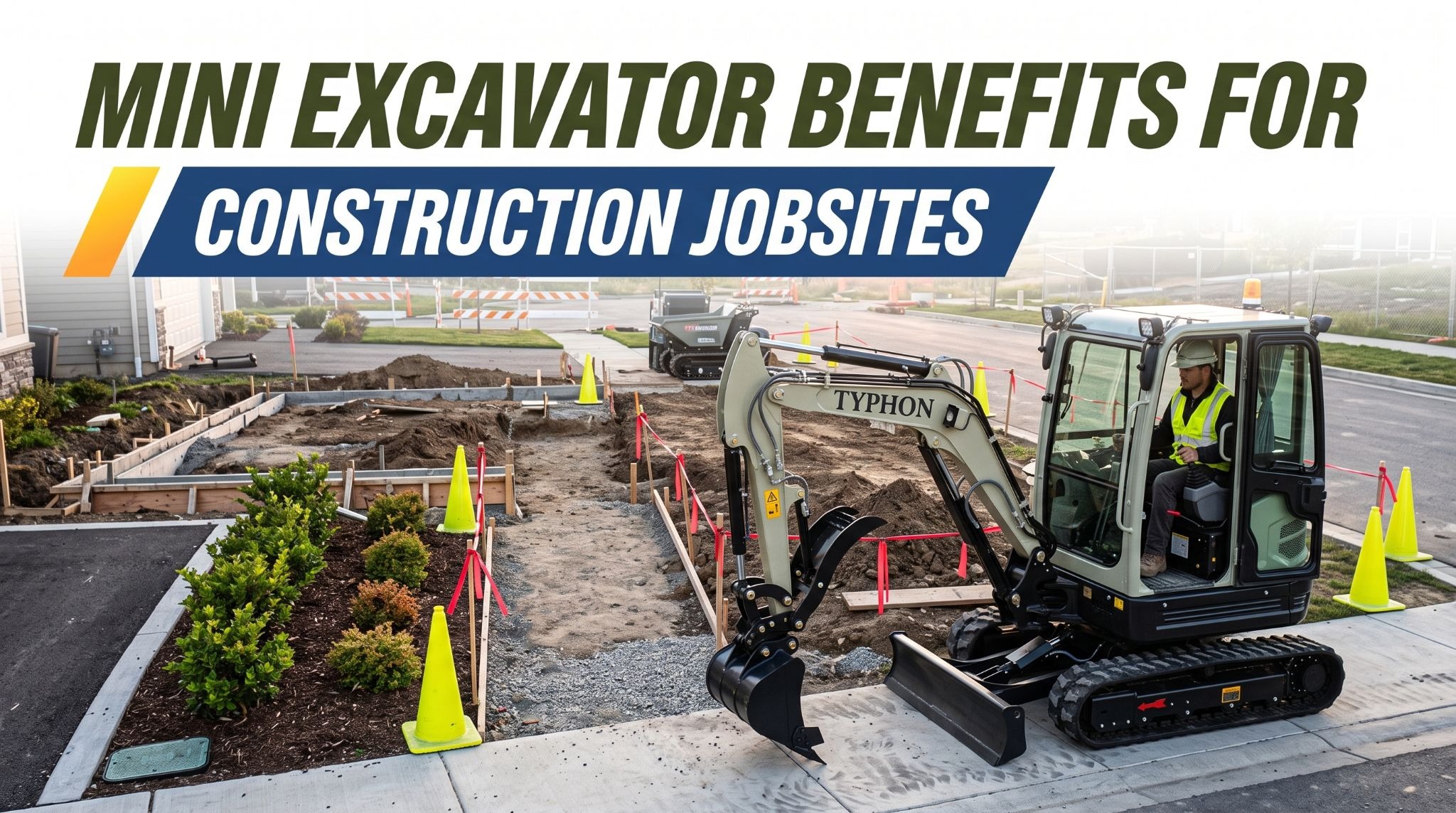
Mini Excavator Benefits for Construction Jobsites Working on a residential lot can involve several excavation tasks within a very limited…
Read More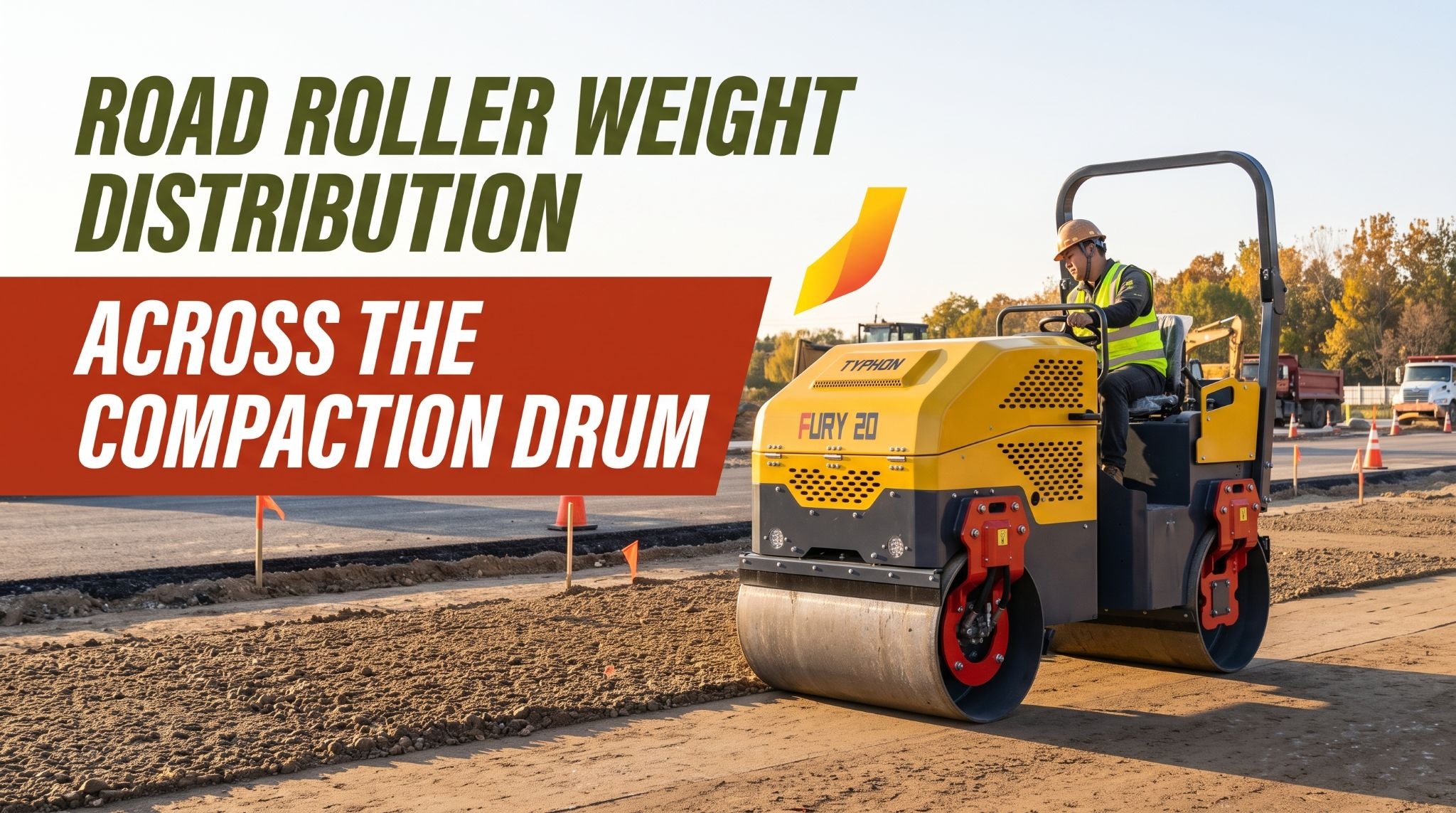
Road Roller Weight Distribution Across the Compaction Drum A road roller places substantial weight over the material that needs greater…
Read More