Wheel Loader Canopy Protection During Outdoor Material Handling
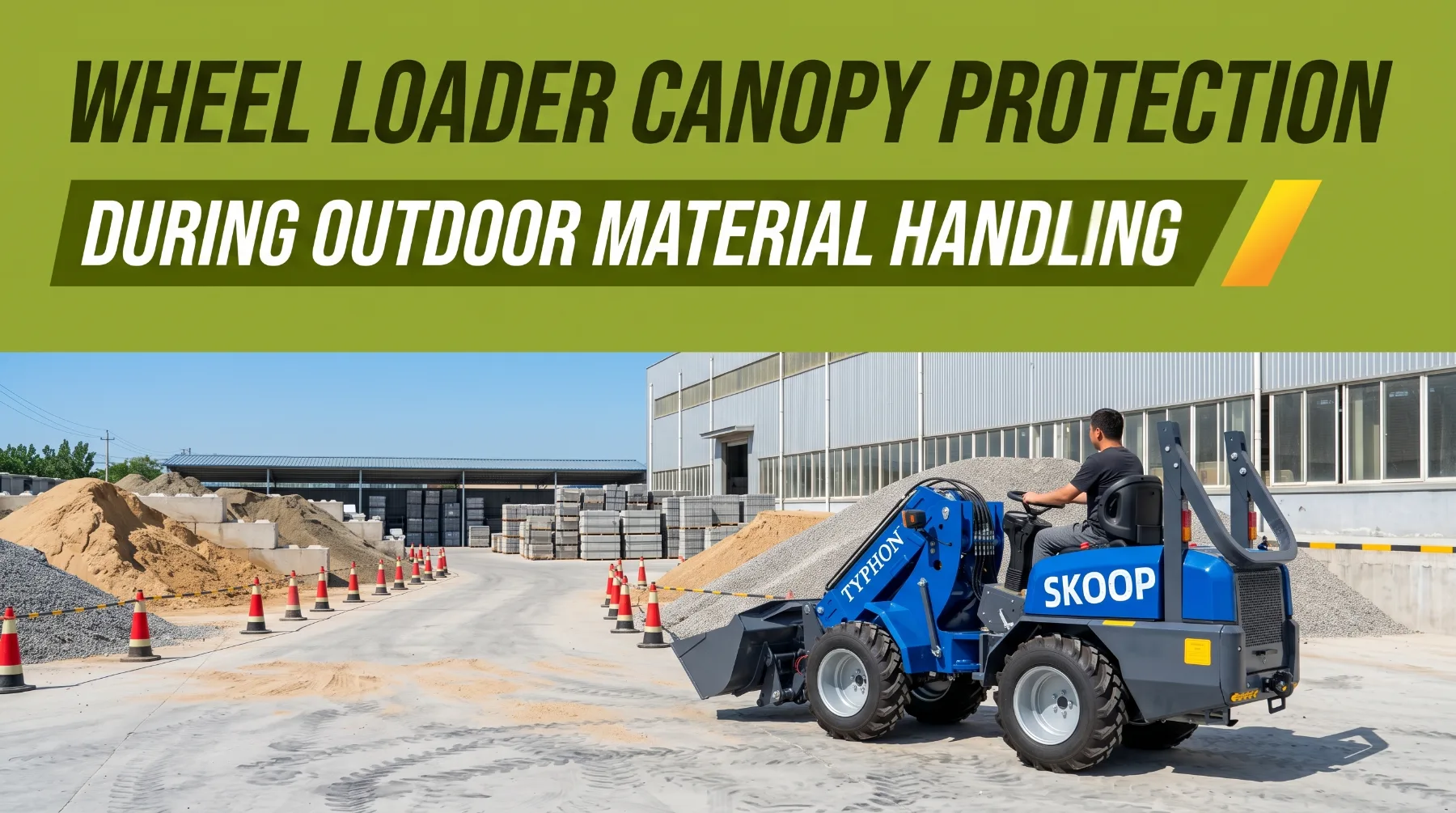 Wheel loader operators can spend an entire shift moving material through changing jobsite conditions. Repeated trips between stockpiles, haul trucks, and work areas expose the operator to strong sunlight, rain, dust, and loose debris throughout the day. Heat can build inside the operator station, glare can make certain areas harder to see, and airborne dust can become a constant nuisance during busy loading cycles. None of these conditions necessarily stop the machine, but they can gradually affect comfort, visibility, concentration, and safe operation.
A wheel loader canopy provides a practical layer of protection above the operator station. Its overhead structure helps block direct sunlight, deflect rain, and provide some protection from material or debris coming from above. The shape and positioning of the canopy can also influence the operator’s view of the bucket, work area, and surrounding traffic. For machines working outdoors for long hours, these details become more noticeable as the number of loading cycles increases.
Durability also matters when the loader operates around dust, aggregate, construction materials, and changing weather. Loose mounting points, damaged panels, corrosion, or restricted visibility can reduce the protection the structure is designed to provide. Regular inspections help identify these problems before they interfere with daily work. Keeping the canopy secure and in good condition allows the operator to stay better protected while maintaining a clear view and consistent control throughout demanding material-handling tasks.
Shielding Operators From Sun and Weather
Weather is the most constant force a wheel loader operator faces, and it rarely stays still. On a clear summer day, direct sunlight beats down on the operator station for hours, raising the temperature around the seat and controls well above the ambient air. Metal surfaces heat up, the seat gets hot, and glare bounces off the windshield or control panel just when the operator needs a clear view of the bucket. A fatigued, overheated operator makes slower decisions and takes more breaks, and both of those cut into how much material the machine moves in a shift. A durable canopy provides overhead shade that keeps the station cooler and knocks down the harsh overhead glare that strains the eyes.
Rain and wind bring their own problems. A sudden shower can soak controls, make seats slick, and reduce grip and comfort, while a steady drizzle over hours leaves an operator cold and distracted. A solid canopy, especially one paired with side protection or a partial enclosure, keeps the worst of the weather off the operator so work can continue rather than stalling every time the clouds open up. In much of the US, a single jobsite can swing from blazing sun to a downpour and back in an afternoon, so overhead protection is less a luxury and more a tool that keeps the machine productive across changing conditions. The goal is simple: an operator who stays comfortable stays sharp, and a sharp operator runs cleaner, safer cycles.
Key takeaway: A durable canopy shades the operator station from heat and glare and blocks rain, keeping operators comfortable and focused so productivity holds up across long, weather-variable shifts.
Maintaining Clear Operator Visibility
Protection means little if it comes at the cost of sight. A wheel loader operator relies on a clear view of the bucket, the cutting edge, the truck they are loading, and the ground crew moving around a busy site. Every load into a haul truck, every stockpile approach, and every tight maneuver in a congested yard depends on the operator seeing exactly where the bucket and machine are headed. A canopy that is poorly designed or carelessly fitted can introduce blind spots, block sightlines to the bucket, or obstruct the view of workers on foot, and those blind spots are where accidents happen.
Good canopy design threads the needle between protection and visibility. Support posts should be positioned to hold up the structure without sitting directly in the operator’s key sightlines, and overhead components should shield without cutting off the upward view needed to watch a raised bucket. When a canopy is well integrated into the machine’s overall design, the operator gets the shade and protection they need while still tracking the bucket edge, the truck bed, and the people around them. On a crowded construction site where a loader shares space with trucks, laborers, and other equipment, clear visibility is a safety essential, not a preference. The right canopy protects the operator without ever making them work half-blind.
Key takeaway: A canopy must protect without creating blind spots, so its posts and panels should be positioned to preserve clear views of the bucket, the load target, and workers around the machine.
Supporting Daily Material Handling
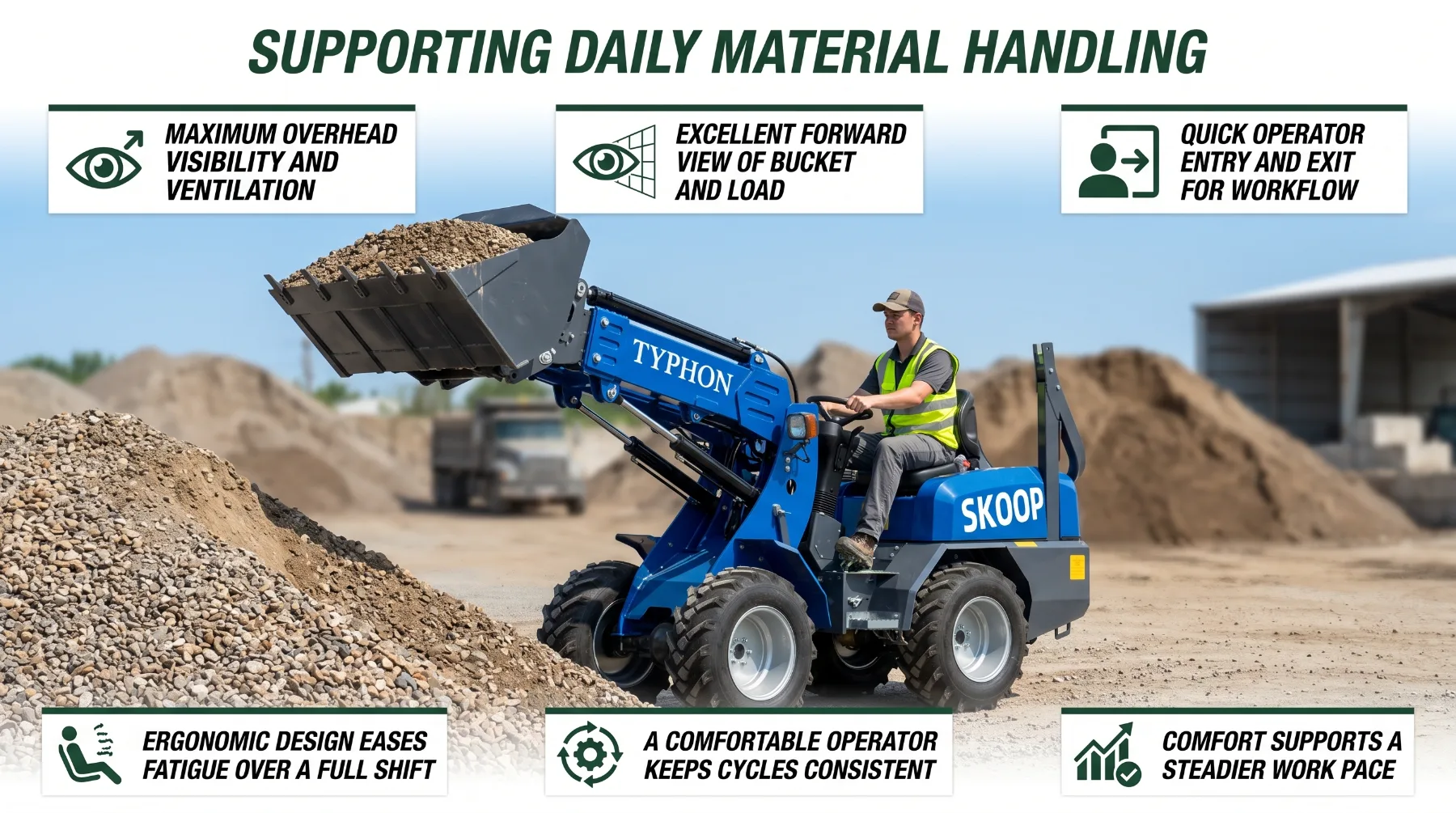 A wheel loader’s value comes from repetition. The machine earns its keep by running cycle after cycle, hour after hour, whether it is feeding a crusher, loading trucks, moving dirt for a grading crew, or handling landscape materials. That repetition places steady demands on both the machine and the operator, making operator comfort an important part of maintaining consistent productivity throughout the shift.
- Sun protection: A canopy blocks much of the direct overhead sunlight, helping reduce heat exposure during long outdoor shifts.
- Less glare: Overhead coverage can reduce direct sunlight entering the operator’s field of view, making it easier to monitor the bucket, material piles, ground conditions, and nearby activity.
- Light weather coverage: The canopy provides overhead protection from light rain and changing outdoor conditions, keeping the operator less exposed while the loader continues working.
- Reduced fatigue: Less exposure to heat, glare, and weather can make repeated loading, lifting, and dumping cycles easier to manage over a full shift.
- Steadier operation: A more comfortable operator station can help maintain consistent movements and cycle times as the workday progresses.
- Support for productivity: When the operator stays comfortable and focused, the loader can maintain a steadier work pace with fewer avoidable errors late in the shift.
Key takeaway: A protected operator station reduces fatigue across long, repetitive cycles, helping operators sustain consistent pace and accuracy so the machine delivers steady productivity through the full shift.
Considering Dust and Jobsite Exposure
Dust is a near-constant companion for outdoor wheel loaders. Working around loose soil, gravel, sand, and crushed material kicks up airborne particles with every scoop and every pass of the tires, and that dust settles on the operator, the controls, and every surface of the machine. Beyond the discomfort, heavy dust exposure over a long shift affects breathing, coats the operator station, and works its way into places that need regular cleaning. A canopy plays a role here as part of the machine’s broader operator protection system, providing overhead cover while working alongside features that manage exposure at the station.
The key is that dust management and practical access have to coexist. A canopy or enclosure should help shield the operator without sealing off the ventilation, controls, and cleaning points that keep the station usable. Operators still need to reach controls easily, get airflow through the station, and clean accumulated dust off surfaces at the end of a shift. In dusty aggregate yards or dry-season construction sites, the canopy that works best is one designed to integrate with the machine’s protection system while leaving those practical needs intact. Thoughtful design here keeps the operator both protected and able to maintain a clean, functional workspace day after day.
Key takeaway: In dusty conditions, the canopy should work as part of the machine’s overall operator protection while still allowing practical access to controls, ventilation, and cleaning points that keep the station usable.
Inspecting the Structure Before Operation
A canopy only protects when it is structurally sound, and that soundness is easy to take for granted until something fails. The constant vibration of material handling, the jarring of rough terrain, and the repeated stress of loaded cycles all work on the canopy’s fasteners, mounts, and panels over time. Bolts loosen, brackets fatigue, panels crack, and small problems that go unnoticed can grow into real safety concerns. A quick, disciplined inspection before operation is the simplest way to keep the canopy doing its job.
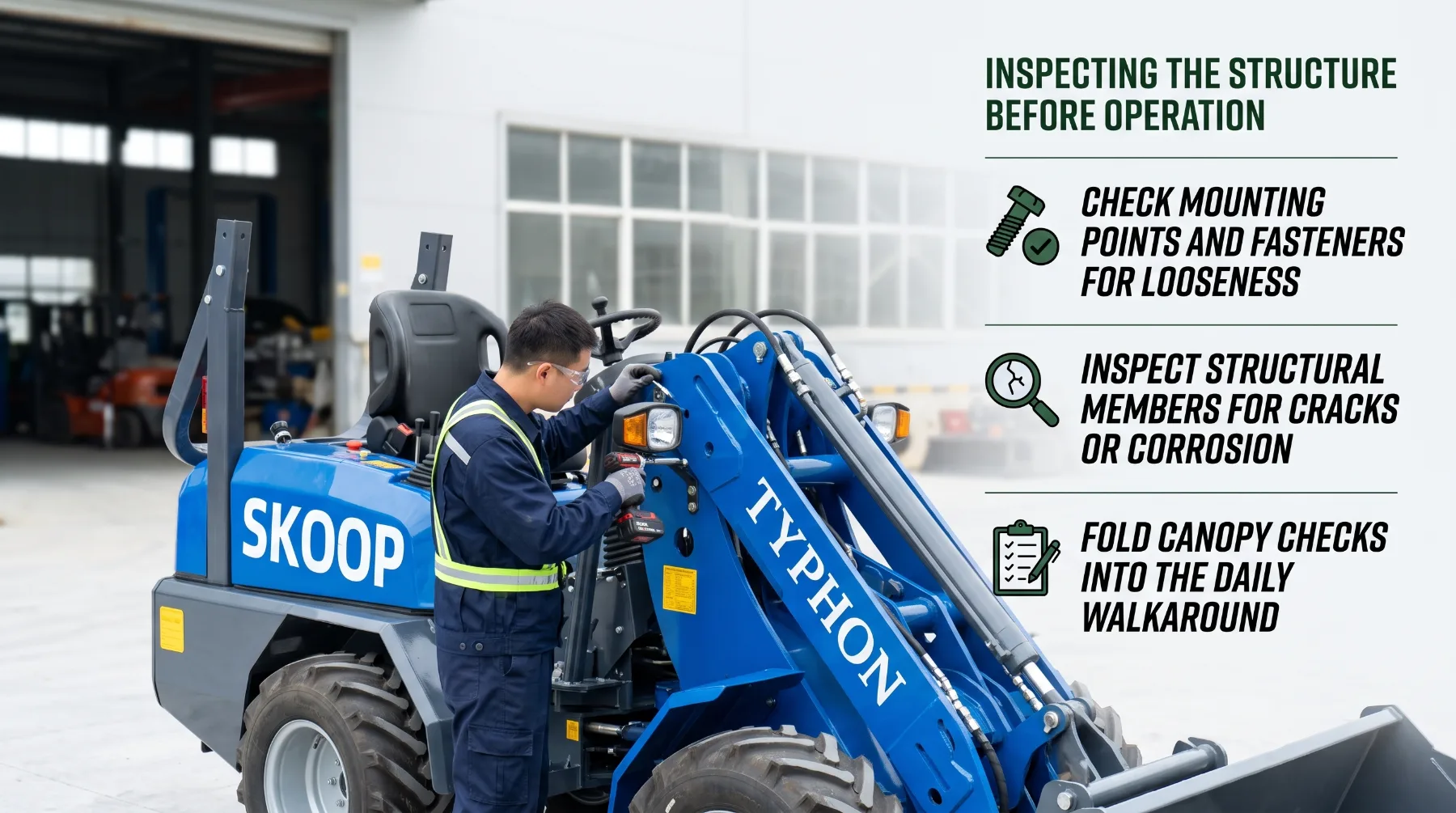 A good routine check covers the whole structure. Operators and maintenance teams should look over the mounting points and fasteners for looseness, inspect structural members and panels for cracks, dents, or corrosion, and confirm nothing has shifted or worked its way loose since the last shift. Any sign of damage, a cracked weld, a bent post, a fastener backing out, should be addressed before the machine goes back to work rather than left to worsen. Folding these checks into the broader daily walkaround inspection keeps them from being skipped, and it catches problems while they are still small and cheap to fix. A canopy that is inspected regularly stays reliable, and a reliable canopy is one an operator can trust when it matters most.
Key takeaway: Regular inspection of mounting points, fasteners, structural members, and panels keeps the canopy structurally sound, catching loosening and damage early before they compromise operator protection.
Conclusion
A wheel loader canopy provides operator protection from environmental exposure while maintaining the visibility and access required for outdoor material handling. The overhead structure can reduce direct exposure to sunlight, glare, and rain and, when designed and certified for the application, provide protection from certain falling-object hazards. Canopy geometry should preserve the operator’s view of the bucket, load target, and surrounding work area without interfering with controls or required access points. Reducing exposure to heat, weather, and jobsite debris can also support consistent operator performance during repetitive loading cycles, while the machine’s ventilation and filtration systems address dust and airborne contaminants according to their specific design. Canopy condition is important because damaged panels, loose fasteners, or deteriorated mounting points can reduce structural integrity and protection. Regular inspection should therefore include the canopy structure, mounts, fasteners, panels, visibility areas, and access points. Selection should consider the expected weather, material-handling environment, falling-object requirements, visibility needs, maintenance access, and manufacturer’s approved canopy configuration. Matching the canopy to actual jobsite conditions and maintaining it as part of the machine’s overall safety system helps support reliable operator protection and consistent wheel loader operation.
Frequently Asked Questions
What does a wheel loader canopy protect against?
A wheel loader canopy provides overhead protection from sun, rain, dust, and minor falling debris. It helps reduce heat and glare, keeps the operator station drier, and adds protection from loose aggregate or debris during loading work. These benefits improve operator comfort and support safer, more consistent operation outdoors.
Is a canopy useful for outdoor wheel loader work?
Yes. Wheel loaders often work long shifts handling gravel, soil, and aggregate in changing weather and dusty conditions. A canopy helps keep the operator cooler and drier, reducing fatigue and supporting better focus. For construction, landscaping, and material handling, it provides practical protection during extended outdoor work.
Can a canopy affect operator visibility?
It can if the design or installation creates blind spots around the bucket or work area. A properly designed canopy positions support posts and overhead components to protect the operator without blocking key sightlines. Check visibility from the seated operating position to confirm clear views of the bucket, work area, and nearby workers.
What should be checked during canopy maintenance?
Inspect mounting points and fasteners for looseness caused by vibration, then check structural members for cracks, bends, dents, or corrosion. Also inspect protective components and surrounding hardware for damage or movement. Address any cracked welds, bent posts, or loose fasteners before operation, ideally as part of the daily machine inspection.