
Best Compact Equipment for Small Contractors in 2026
The construction landscape is constantly evolving, and for small contractors, staying competitive means being smart, efficient, and adaptable. In 2026, the demand for agility, precision, and cost-effectiveness will be higher than ever. Gone are the days when only large-scale operations could afford cutting-edge machinery; today, compact equipment is revolutionizing how small businesses operate, enabling them to take on diverse projects with remarkable ease and profitability. If you’re a small contractor looking to maximize your potential, streamline your operations, and deliver exceptional results, understanding the best compact equipment available is not just an advantage—it’s a necessity.
This comprehensive guide will delve into the world of compact equipment tailored specifically for small contractors in 2026. We’ll explore the innovations, the practical benefits, and the strategic choices that can transform your business. From mini excavators that can navigate tight urban spaces to compact track loaders that offer unparalleled versatility, and from advanced skid steers to innovative material handling solutions, we’ll cover the tools that will empower you to tackle a wider range of jobs, reduce labor costs, and enhance your overall efficiency. Prepare to discover how the right compact equipment can be the cornerstone of your success, allowing you to punch above your weight and secure a thriving future in the competitive construction industry. Let’s explore the future of small-scale construction, one powerful, compact machine at a time.
What is Best Compact Equipment for Small Contractors in 2026?
In 2026, “Best Compact Equipment for Small Contractors” refers to a category of machinery specifically designed to offer a powerful combination of efficiency, versatility, and maneuverability within a smaller footprint than their full-sized counterparts. These machines are engineered to address the unique challenges faced by small to medium-sized contracting businesses, including limited storage space, tighter job sites, diverse project requirements, and the need for cost-effective operation. The “best” in this context implies not just raw power, but also smart technology, fuel efficiency, ease of maintenance, and strong resale value.
The core idea behind compact equipment is to provide contractors with the capabilities of larger machines without the associated bulk, transportation difficulties, or prohibitive costs. This makes them ideal for a wide array of tasks, from landscaping and utility work to residential construction, demolition, and even agricultural applications. In 2026, the emphasis is increasingly on smart, connected equipment that integrates GPS, telematics, and advanced hydraulic systems to optimize performance and reduce downtime.
Key Characteristics of Best Compact Equipment in 2026:
- Optimized Size and Maneuverability: Designed to operate in confined spaces, navigate narrow access points, and minimize ground disturbance. This is crucial for urban projects, backyard renovations, and interior demolition.
- Versatility Through Attachments: A hallmark of compact equipment is its ability to transform with various attachments. Quick couplers allow operators to switch between buckets, augers, hammers, grapples, trenchers, brooms, and more, effectively turning one machine into a multi-tasking powerhouse.
- Advanced Technology Integration: Expect to see more sophisticated telematics for remote monitoring, predictive maintenance, and operational insights. GPS-enabled grading systems, semi-autonomous features, and enhanced operator interfaces (e.g., touchscreens, joystick controls) are becoming standard.
- Fuel Efficiency and Eco-Friendliness: With rising fuel costs and increasing environmental regulations, 2026’s best compact equipment will prioritize fuel-efficient engines (often Tier 4 Final or equivalent) and, increasingly, electric or hybrid options for reduced emissions and noise.
- Operator Comfort and Safety: Ergonomic cabs, improved visibility, climate control, and advanced safety features (e.g., rearview cameras, object detection, rollover protection structures – ROPS) are crucial for minimizing fatigue and preventing accidents.
- Ease of Transport: Most compact machines can be transported on a standard trailer behind a heavy-duty pickup truck, significantly reducing logistics costs and time compared to larger equipment.
- Durability and Reliability: Built to withstand rigorous daily use, with robust frames, high-quality components, and easy access for routine maintenance.
- Strong Resale Value: Reputable brands known for their compact equipment tend to hold their value well, offering a better return on investment when it’s time to upgrade.
Examples of Top Compact Equipment Categories for 2026:
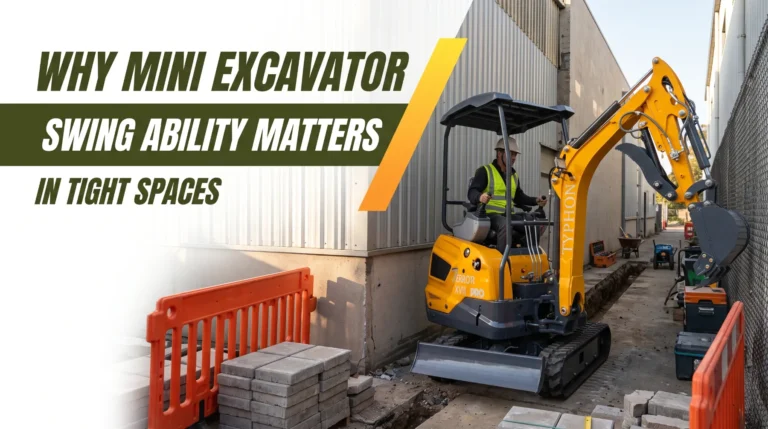
- Mini Excavators (Compact Excavators): These machines are indispensable for digging, trenching, demolition, and material handling in tight spaces. They offer 360-degree rotation, precise control, and a wide range of bucket and hydraulic attachments. Models with zero or minimal tail swing are particularly valuable for urban environments.
- Compact Track Loaders (CTLs): Often preferred over skid steers for their superior traction, stability, and lower ground pressure, CTLs excel in soft, uneven, or muddy terrain. They are highly versatile, capable of grading, loading, digging, and clearing with various attachments.
- Skid Steer Loaders: The workhorse of many small contractors, skid steers are incredibly agile, powerful for their size, and can utilize an enormous array of attachments. They are excellent for loading, grading, sweeping, and material handling on firm surfaces.
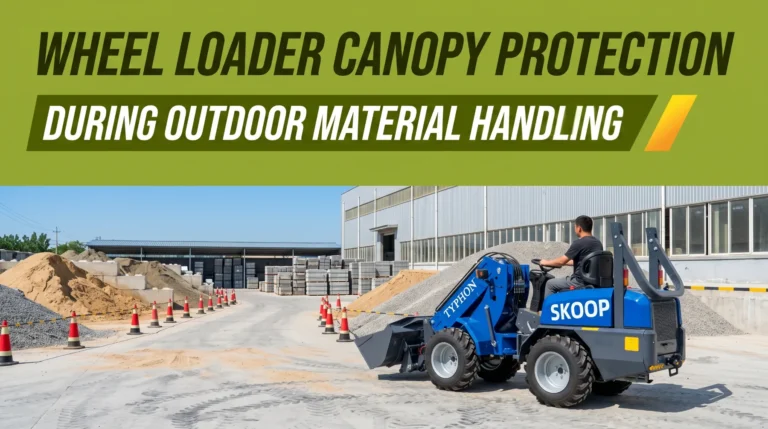
- Compact Wheel Loaders: While slightly larger than skid steers or CTLs, compact wheel loaders offer higher lift capacities, better visibility, and faster travel speeds, making them ideal for material handling, snow removal, and loading trucks.
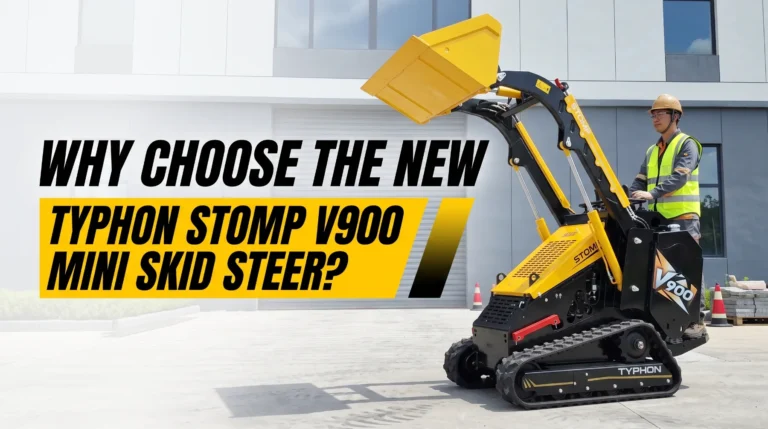
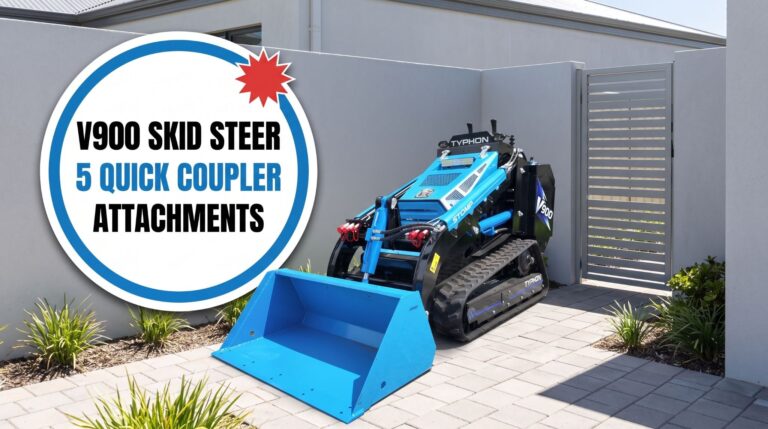
- Compact Utility Loaders (Mini Skid Steers): Even smaller than traditional skid steers, these walk-behind or ride-on machines are perfect for extremely tight access areas, landscaping, and small-scale digging. They are often used in residential settings where larger equipment would be impractical or damaging.
- Articulated Dump Trucks (Compact): For moving materials on job sites, compact articulated dump trucks offer excellent off-road capability and payload capacity, especially useful for hauling dirt, gravel, or debris where space is limited.
- Telehandlers (Compact): Providing impressive reach and lift capabilities in a compact package, these are invaluable for lifting materials to height, such as roofing supplies or framing lumber, in constrained construction sites.
Understanding “what” constitutes the best compact equipment in 2026 means recognizing the blend of power, precision, technology, and economic viability that these machines bring to the forefront for small contractors. It’s about equipping your business with tools that not only get the job done but do so more efficiently, safely, and profitably.

Key Benefits
Investing in the best compact equipment for your small contracting business in 2026 offers a multitude of strategic advantages that directly impact your bottom line, operational efficiency, and competitive edge. These benefits extend far beyond simply having a machine; they represent a fundamental shift in how small contractors can approach and execute projects.
1. Enhanced Versatility and Project Scope Expansion
One of the most significant benefits of modern compact equipment is its unparalleled versatility. A single machine, like a compact track loader or a mini excavator, can be transformed into multiple tools with a simple attachment swap. This means you can take on a much wider range of projects without needing to invest in a fleet of specialized, full-sized machines.
- Real Example: A landscaping contractor can use a compact track loader with a bucket for grading, then switch to a trencher for irrigation lines, an auger for tree planting, and a grapple for brush clearing, all within the same day. This capability allows them to bid on diverse jobs – from intricate backyard designs to larger commercial property maintenance – that would otherwise require multiple pieces of equipment or manual labor.
- Use Case: A small general contractor working on residential renovations can use a mini excavator for foundation digging, then attach a hydraulic hammer for concrete demolition, and later a grapple for debris removal. This flexibility enables them to manage more aspects of a project in-house, reducing reliance on subcontractors and increasing profit margins.
2. Improved Efficiency and Productivity
Compact equipment is designed for speed and precision in tight spaces, leading to significant gains in efficiency and productivity. Their smaller size allows them to navigate crowded job sites, urban environments, and residential areas where larger machines simply cannot operate.
- Real Example: On a utility installation project in a densely populated neighborhood, a zero-tail-swing mini excavator can dig trenches right next to fences or buildings without obstructing traffic or damaging property. This precision minimizes rework and speeds up project completion.
- Use Case: A small demolition crew can use a skid steer with a demolition grapple to quickly sort and load debris into dumpsters, drastically cutting down on manual labor and accelerating the clean-up phase of a project. The agility of these machines means less time spent maneuvering and more time spent working.
3. Reduced Operating Costs
While the initial investment in quality compact equipment is substantial, the long-term operating costs are often significantly lower than those associated with larger machinery.
- Fuel Efficiency: Modern compact engines are engineered for optimal fuel consumption, especially with the integration of eco-friendly and hybrid options in 2026. This translates to substantial savings over the lifespan of the machine.
- Lower Transportation Costs: Most compact equipment can be transported on a standard trailer towed by a heavy-duty pickup truck, eliminating the need for specialized, expensive heavy-haul transport services. This is a massive saving for contractors who move between multiple job sites.
- Reduced Labor Costs: By mechanizing tasks traditionally performed manually, compact equipment allows a smaller crew to accomplish more work in less time. One operator with a versatile machine can often replace several laborers, leading to significant wage savings.
- Maintenance: While maintenance is always required, compact machines generally have smaller, more accessible components, which can sometimes lead to lower parts and labor costs compared to their larger counterparts.

4. Enhanced Safety on the Job Site
- Real Example: Features like rearview cameras, object detection systems, and advanced lighting on 2026 models of compact track loaders improve operator visibility, especially in busy or dimly lit areas, reducing the risk of collisions.
- Use Case: Ergonomically designed cabs with intuitive controls, climate control, and reduced vibration minimize operator fatigue, which is a major contributor to accidents. ROPS (Roll-Over Protective Structures) and FOPS (Falling Object Protective Structures) are standard, offering critical protection. The precision of compact machines also reduces the need for manual handling of heavy materials, thereby lowering the risk of strains and injuries.
5. Access to Tighter Spaces and Urban Projects
Small contractors often find themselves working in residential areas, urban infill sites, or established commercial properties where space is at a premium. Compact equipment is specifically designed for these challenging environments.
- Real Example: A mini excavator with zero tail swing can operate effectively in a narrow backyard, digging a pool or an extension foundation, without damaging existing structures or landscaping. Its ability to pivot within its own footprint is invaluable.
- Use Case: Compact utility loaders (mini skid steers) are perfect for navigating through garden gates or interior doorways for tasks like demolition or material removal inside buildings. This capability opens up lucrative niche markets that larger contractors cannot easily access.
6. Environmental Benefits
With increasing environmental consciousness and regulations, the eco-friendly aspects of 2026 compact equipment are becoming a significant benefit.
- Reduced Emissions: Many new models feature Tier 4 Final engines or electric/hybrid powertrains, significantly reducing exhaust emissions and improving air quality on job sites.
- Lower Noise Pollution: Electric models, in particular, operate with minimal noise, making them ideal for work in residential areas, hospitals, or schools where noise restrictions are strict. This can also improve communication and reduce stress for operators and nearby residents.
- Minimal Ground Disturbance: Compact track loaders, with their lower ground pressure, minimize damage to delicate landscapes, lawns, and paved surfaces, reducing restoration costs and improving client satisfaction.
By leveraging these key benefits, small contractors can not only compete more effectively with larger firms but also build a reputation for efficiency, reliability, and professionalism, paving the way for sustained growth and profitability in 2026 and beyond.
How to Get Started
Embarking on the journey of acquiring and integrating the best compact equipment into your small contracting business in 2026 requires careful planning and strategic decision-making. It’s not just about buying a machine; it’s about making an informed investment that will drive your business forward. Here’s a step-by-step guide on how to get started:

1. Assess Your Business Needs and Project Types
Before looking at any specific machine, conduct a thorough analysis of your current and anticipated project types. This foundational step will dictate the type, size, and features of the equipment you need.
- Questions to Ask:
- What are the most common tasks you perform (e.g., digging, grading, lifting, demolition, trenching)?
- What are the typical ground conditions you work on (e.g., soft soil, rocky terrain, paved surfaces)?
- What are the access limitations of your usual job sites (e.g., narrow gates, urban streets, interior spaces)?
- What is the maximum lift capacity or digging depth you frequently require?
- Do you need to transport materials over long distances on-site?
- What is your budget for equipment purchase or lease?
- Practical Example: If you primarily do residential landscaping, a mini excavator (1.5-3 ton) and a compact track loader (3,000-4,000 lb operating capacity) with various attachments (bucket, auger, trencher, grapple) would be a strong starting point. If you focus on utility work, a larger mini excavator (5-8 ton) with a hydraulic hammer might be more appropriate.
2. Research and Identify Top Brands and Models
Once you have a clear understanding of your needs, begin researching manufacturers known for their reliability, innovation, and support in the compact equipment sector. Look for models that align with your assessed requirements.
- Key Brands to Consider (as of 2026): Bobcat, John Deere, Caterpillar, Kubota, Takeuchi, Yanmar, Case, New Holland, Wacker Neuson, Sany, Doosan. Each brand has its strengths, often excelling in specific machine types or offering unique technological advantages.
- Focus on Features:
- Engine & Power: Look for Tier 4 Final compliant engines, horsepower, and hydraulic flow rates suitable for your attachments. Consider electric or hybrid options for noise-sensitive or indoor work.
- Operating Capacity & Lift Height: Crucial for loaders and telehandlers.
- Digging Depth & Reach: Essential for excavators.
- Maneuverability: Zero-tail swing for excavators, tight turning radius for loaders.
- Attachment Compatibility: Ensure the machine can power the attachments you need (e.g., high-flow hydraulics for mulchers).
- Operator Comfort & Controls: Test drive if possible. Look for ergonomic controls, good visibility, and climate control.
- Telematics & Technology: Features like GPS, remote diagnostics, and fleet management systems can optimize operations.
- Resources: Utilize online reviews, industry publications, equipment trade shows, and consult with other contractors. Look for detailed reviews on specific models and their long-term performance.
3. Consider New vs. Used vs. Rental
Your budget and project frequency will heavily influence whether you buy new, used, or opt for rentals.
- New Equipment: Offers the latest technology, full warranties, and often financing options. Higher initial cost but potentially lower maintenance in the early years. Ideal if you have consistent, high-volume work.
- Used Equipment: A more budget-friendly option. Can offer excellent value if you buy from a reputable dealer and have it thoroughly inspected. Be wary of machines without service records. Consider certified pre-owned programs.
- Rental: Best for occasional use, specialized tasks, or when trying out a new machine type before committing to a purchase. Reduces capital outlay, maintenance costs, and storage needs. Many contractors start with rentals and then purchase the equipment they use most frequently.
- Practical Advice: For your first major compact equipment purchase, a reliable used machine from a reputable dealer or a new entry-level model might be the safest bet. Rent specialized attachments you only need for specific projects.
4. Explore Financing and Insurance Options
Securing the right financing and insurance is critical for protecting your investment and maintaining cash flow.
- Financing:
- Dealership Financing: Often offers competitive rates and convenient packages.
- Bank Loans: Traditional loans from commercial banks.
- Equipment Leasing: Can offer lower monthly payments and tax advantages, with options to buy at the end of the term.
- SBA Loans: Small Business Administration loans can be a good option for small businesses.
- Key Consideration: Understand interest rates, terms, down payments, and any prepayment penalties.
- Insurance:
- Commercial Property Insurance: Covers the equipment itself against damage, theft, or loss.
- General Liability Insurance: Essential for any contractor, covering third-party injuries or property damage caused by your operations.
- Inland Marine Insurance: Specifically covers equipment when it’s being transported or used off your primary premises.
- Worker’s Compensation: If you have employees operating the equipment.
- Practical Advice: Get multiple quotes for both financing and insurance. Don’t underestimate the importance of comprehensive insurance coverage; a single incident can be financially devastating without it.
5. Plan for Transportation, Storage, and Maintenance
Owning compact equipment comes with logistical responsibilities.
- Transportation: Do you have a suitable truck and trailer? Ensure your towing vehicle’s capacity matches the weight of the equipment plus the trailer. Consider ramps, tie-downs, and safety chains.
- Storage: Where will you store the equipment when not in use? Secure storage is crucial to prevent theft and protect it from the elements.
- Maintenance: Develop a maintenance schedule based on the manufacturer’s recommendations. This includes daily checks, regular service intervals (oil changes, filter replacements), and hydraulic system checks.
- DIY vs. Dealer Service: Decide if you’ll handle basic maintenance in-house or rely on dealer service. Factor in the cost and availability of parts.
- Telematics: Leverage telematics systems to monitor machine health, track service intervals, and diagnose issues remotely.
- Practical Example: A small contractor might invest in a heavy-duty pickup truck and a 10,000-14,000 lb capacity utility trailer to transport their mini excavator and CTL. They would also secure a fenced yard or a locked shed for overnight storage and schedule regular preventative maintenance with their local dealer.
By systematically addressing these steps, small contractors can confidently navigate the process of acquiring and effectively utilizing the best compact equipment, setting the stage for increased productivity and business growth in 2026.
Best Practices
Acquiring the best compact equipment for your small contracting business in 2026 is just the first step. To truly maximize your investment and ensure long-term success, implementing best practices in operation, maintenance, safety, and business integration is paramount. These practices will not only extend the life of your machinery but also boost your efficiency, reduce costs, and enhance your reputation.
1. Comprehensive Operator Training and Certification
The most sophisticated equipment is only as good as the operator behind the controls. Proper training is non-negotiable for safety, efficiency, and machine longevity.
- Initial Training: Ensure all operators receive thorough training on the specific make and model of compact equipment they will be using. This should cover basic operation, controls, attachment coupling, safety features, and emergency procedures. Many manufacturers and dealerships offer training programs.
- Certification: Encourage or require operators to obtain relevant certifications (e.g., OSHA-compliant training for heavy equipment). This demonstrates professionalism and competence.
- Ongoing Education: The technology in compact equipment evolves rapidly. Provide opportunities for operators to stay updated on new features, attachments, and best operating techniques.
- Practical Example: Before allowing a new employee to operate a compact track loader, have them complete a certified training course, followed by supervised practice on a controlled site. Regularly review safety protocols and conduct refresher training sessions, especially when new attachments are introduced.
2. Adherence to Manufacturer’s Maintenance Schedules
Preventative maintenance is the cornerstone of equipment reliability and longevity. Skipping or delaying maintenance can lead to costly breakdowns, reduced performance, and premature wear.
- Daily Checks: Implement a routine for daily pre-operation checks (e.g., fluid levels, tire/track condition, hydraulic hose inspection, lights, safety alarms).
- Scheduled Service: Strictly follow the manufacturer’s recommended service intervals for oil changes, filter replacements (fuel, oil, air, hydraulic), lubrication, and component inspections. Keep detailed service records.
- Use Genuine Parts: Whenever possible, use genuine OEM (Original Equipment Manufacturer) parts. They are designed specifically for your machine and often come with a warranty, ensuring optimal performance and fit.
- Leverage Telematics: Utilize onboard telematics systems to monitor engine hours, fuel consumption, diagnostic codes, and upcoming service needs. This proactive approach can prevent minor issues from becoming major problems.
- Practical Example: For a mini excavator, ensure the operator checks fluid levels, tracks, and hydraulics every morning. Schedule 250-hour service intervals with a certified technician for oil and filter changes, and a more comprehensive 500-hour service for hydraulic system checks and major component inspections.
3. Smart Attachment Management and Utilization
Attachments are what make compact equipment so versatile. Managing them effectively unlocks their full potential.
- Right Attachment for the Job: Always select the appropriate attachment for the task at hand. Using an undersized or incorrect attachment can strain the machine, reduce efficiency, and lead to damage.
- Proper Storage: Store attachments securely and protect them from the elements when not in use. Clean them thoroughly after each use.
- Maintenance of Attachments: Attachments also require maintenance. Grease pivot points, check for wear on cutting edges or teeth, and inspect hydraulic lines.
- Quick Coupler Efficiency: Maximize the use of hydraulic quick couplers to minimize downtime when switching attachments. Train operators on safe and efficient attachment changes.
- Practical Example: When clearing a dense brush, use a heavy-duty brush cutter or mulcher attachment on your compact track loader instead of a standard bucket. For precise trenching, use a narrow trenching bucket rather than a wider digging bucket. Regularly inspect the teeth on your buckets and replace them when worn to maintain digging efficiency.
4. Implement a Comprehensive Safety Program
Safety should always be the top priority. A robust safety program protects your team, your equipment, and your business.
- Pre-Operation Briefings: Conduct brief safety meetings before starting work, especially on new or complex job sites, to discuss potential hazards and mitigation strategies.
- Personal Protective Equipment (PPE): Mandate the use of appropriate PPE (hard hats, safety glasses, high-visibility vests, steel-toed boots, hearing protection) for all personnel on or near the job site.
- Site Management: Ensure job sites are clearly marked, traffic flow is managed, and unauthorized personnel are kept away from operating machinery.
- Spotters: Use spotters when operating in confined spaces, near obstacles, or with limited visibility.
- Emergency Plan: Have a clear emergency response plan in place, including first aid kits, fire extinguishers, and contact information for emergency services.
- Practical Example: Before operating a compact wheel loader on a busy construction site, conduct a walk-around with the operator and spotter to identify blind spots, overhead hazards, and potential pinch points. Ensure all safety alarms and lights on the machine are functional.
5. Leverage Technology for Fleet Management and Optimization
Modern compact equipment comes equipped with advanced technology that can significantly enhance operational efficiency.
- Telematics Data Analysis: Regularly review data from your telematics system. This can provide insights into machine utilization, idle times, fuel consumption, and operator performance. Use this data to identify areas for improvement.
- GPS & Grade Control: For grading and excavation tasks, utilize GPS-enabled systems to achieve precise results faster, reducing the need for manual staking and rework.
- Remote Diagnostics: Use remote diagnostic capabilities to troubleshoot minor issues and schedule proactive maintenance, minimizing costly downtime.
- Digital Checklists: Implement digital pre-operation checklists and maintenance logs for easier record-keeping and accountability.
- Practical Example: By analyzing telematics data, you might discover that your skid steer is idling for 30% of its operational time. You can then train operators to shut off the engine during breaks or long waits, saving fuel and reducing wear. For a foundation dig, using a 2D or 3D grade control system on your mini excavator can ensure accurate depths and slopes, preventing over-excavation and saving material costs.
6. Continuous Improvement and Adaptability
The construction industry is dynamic. Staying competitive means continuously evaluating your operations and being open to new technologies and methods.
- Stay Informed: Keep abreast of new equipment releases, industry trends, and technological advancements (e.g., electric equipment, autonomous features).
- Feedback Loop: Encourage feedback from your operators and field crew. They are on the front lines and can offer invaluable insights into equipment performance and job site challenges.
- Pilot Programs: Consider piloting new attachments or technologies on smaller projects to assess their value before full adoption.
- Network: Engage with other small contractors, attend industry events, and join professional associations to share knowledge and learn best practices.
- Practical Example: Attend an industry trade show in 2026 to see the latest electric compact excavators. After discussions with other contractors and reviewing specifications, consider renting one for a noise-sensitive project to evaluate its performance and potential for future investment.
By diligently applying these best practices, small contractors can ensure their compact equipment not only performs optimally but also contributes significantly to the overall growth, profitability, and sustainability of their business in the years to come.
Frequently Asked Questions
Navigating the world of compact equipment can bring up many questions for small contractors. Here, we address some of the most common inquiries to help you make informed decisions about the Best Compact Equipment for Small Contractors in 2026.
1. What is Best Compact Equipment for Small Contractors in 2026?
The “Best Compact Equipment for Small Contractors in 2026” refers to a range of smaller, highly versatile, and technologically advanced machinery designed to meet the specific needs of small to medium-sized construction and landscaping businesses. Unlike their full-sized counterparts, these machines offer superior maneuverability in confined spaces, lower operating costs, and the ability to perform multiple tasks through a wide array of attachments. In 2026, the “best” equipment emphasizes smart features like telematics, fuel-efficient or electric powertrains, enhanced operator comfort, and robust durability. Key examples include mini excavators, compact track loaders (CTLs), skid steer loaders, and compact utility loaders. These machines are chosen for their ability to maximize productivity, minimize labor, and open up new project opportunities for small firms.
2. How Does Compact Equipment Work?
Compact equipment operates on principles similar to larger machinery but with scaled-down components and optimized designs for smaller footprints.
- Power Source: Most compact equipment is powered by efficient diesel engines (often Tier 4 Final compliant for reduced emissions) or, increasingly in 2026, by electric batteries or hybrid systems. This engine drives a hydraulic pump.
- Hydraulic System: The core of most compact equipment is its hydraulic system. Hydraulic fluid, pressurized by the pump, is directed through valves to hydraulic cylinders and motors. These cylinders extend and retract to move the boom, arm, and bucket of an excavator, or lift and tilt the arms of a loader. Hydraulic motors power tracks/wheels, augers, trenchers, and other high-flow attachments.
- Controls: Operators use joysticks, foot pedals, and sometimes steering wheels to control the machine’s movements and attachment functions. Modern compact equipment often features electro-hydraulic controls, allowing for precise, customizable, and ergonomic operation.
- Attachments: A quick coupler system allows operators to rapidly switch between various attachments. The machine’s hydraulic system provides power to these attachments, enabling them to dig, lift, grade, break concrete, sweep, and more.
- Tracks/Wheels: Compact track loaders (CTLs) use rubber tracks for superior traction and lower ground pressure, ideal for soft or uneven terrain. Skid steer loaders and compact wheel loaders use tires, offering speed and maneuverability on firm surfaces. Mini excavators typically use rubber tracks for stability and minimal ground disturbance.
3. What are the Benefits of Using Compact Equipment?
The benefits of using compact equipment for small contractors are numerous and impactful:
- Versatility: One machine can perform dozens of tasks with different attachments, reducing the need for multiple specialized machines.
- Access to Tight Spaces: Their smaller size allows operation in confined areas, urban environments, and residential backyards where larger equipment cannot go.
- Increased Efficiency & Productivity: Faster cycle times, precise control, and reduced manual labor lead to quicker project completion.
- Lower Operating Costs: Generally more fuel-efficient, easier to transport (often with a standard pickup and trailer), and potentially less expensive to maintain than larger machines.
- Reduced Labor: Mechanizing tasks with compact equipment allows a smaller crew to accomplish more work, saving on labor costs.
- Enhanced Safety: Modern safety features, improved visibility, and ergonomic controls reduce operator fatigue and the risk of accidents.
- Environmental Advantages: Many 2026 models offer lower emissions and reduced noise, making them suitable for sensitive environments and contributing to a greener operation.
- Strong Resale Value: Reputable brands of compact equipment tend to hold their value well, offering a better return on investment.
- Expanded Project Opportunities: The capabilities of compact equipment allow small contractors to bid on a wider range of projects, including niche markets previously inaccessible.
4. How Do I Choose the Right Size of Compact Equipment?
Choosing the right size depends heavily on your typical projects and job site conditions.
- Mini Excavators:
- 1-3 ton: Ideal for residential landscaping, small utility work, interior demolition, and very tight access.
- 3-5 ton: Good all-around machines for general landscaping, utility work, small foundations, and light demolition.
- 5-8 ton: Suitable for larger residential projects, commercial utility work, and more demanding digging or demolition.
- Compact Track Loaders (CTLs) & Skid Steers:
- Under 2,000 lbs operating capacity: Best for light landscaping, material handling, and very tight spaces.
- 2,000-3,000 lbs operating capacity: The most common size, highly versatile for grading, loading, digging, and various attachments.
- Over 3,000 lbs operating capacity: For heavy lifting, demanding attachments (e.g., mulchers, cold planers), and larger-scale earthmoving.
- Consider:
- Lift Capacity: How heavy are the materials you need to lift?
- Digging Depth/Reach: How deep or far do you need to dig?
- Hydraulic Flow: Do you need high-flow hydraulics for specialized attachments?
- Transport Weight: Can your current truck and trailer safely transport the machine?
5. What are the Latest Technology Trends in Compact Equipment for 2026?
In 2026, compact equipment is seeing significant technological advancements:
- Electrification & Hybridization: A growing number of electric and hybrid models are entering the market, offering zero emissions, reduced noise, and lower operating costs, particularly for indoor or urban projects.
- Advanced Telematics & IoT: Enhanced telematics systems provide real-time data on machine location, fuel consumption, idle time, maintenance alerts, and diagnostic codes, enabling better fleet management and predictive maintenance.
- Automation & Semi-Autonomous Features: While fully autonomous compact equipment is still emerging, semi-autonomous features like automated grading, return-to-dig functions, and joystick steering are becoming more common, improving precision and reducing operator fatigue.
- Enhanced Operator Interfaces: Intuitive touchscreens, customizable controls, and advanced camera systems (360-degree views, rearview) are improving operator comfort, visibility, and safety.
- Smart Attachments: Attachments are becoming smarter, with integrated sensors and controls that communicate with the machine for optimized performance.
- Augmented Reality (AR) & Virtual Reality (VR) for Training: These technologies are being used to provide immersive and safe training environments for operators.
6. Is it Better to Buy New or Used Compact Equipment?
The decision between new and used depends on your budget, usage frequency, and risk tolerance.
- New Equipment: Offers the latest technology, full manufacturer warranties, and often favorable financing. It typically has lower initial maintenance costs and higher reliability. Best for contractors with consistent, high-volume work.
- Used Equipment: A more cost-effective entry point. Can provide excellent value if purchased from a reputable dealer with service records and a thorough inspection. However, it may lack the latest features and could incur higher maintenance costs over time. Good for contractors with limited budgets or those needing a machine for occasional use.
- Rental: An excellent option for short-term projects, specialized tasks, or to “try before you buy.” Reduces capital expenditure, storage needs, and maintenance responsibilities. Many contractors start by renting and then purchase the machines they use most frequently.
7. How Can I Maximize the ROI on My Compact Equipment Investment?
Maximizing your Return on Investment (ROI) involves several key strategies:
- Proper Operator Training: Well-trained operators are more efficient, safer, and cause less wear and tear on the machine.
- Strict Maintenance Schedule: Adhering to manufacturer-recommended maintenance prevents costly breakdowns and extends machine life.
- Strategic Attachment Use: Utilize the full versatility of your machine by investing in and properly using a range of attachments for diverse tasks.
- Efficient Job Site Management: Optimize workflow, minimize idle time, and plan tasks effectively to maximize machine utilization.
- Leverage Telematics Data: Use data insights to identify inefficiencies, optimize fuel consumption, and schedule preventative maintenance.
- Secure Storage & Insurance: Protect your investment from theft, damage, and the elements.
- Consider Resale Value: Choose reputable brands known for holding their value, making future upgrades more financially viable.
- Bid Strategically: Use your equipment’s capabilities to bid on more profitable projects and complete them efficiently.
By understanding these frequently asked questions, small contractors can approach their compact equipment investment with greater confidence and strategic insight, setting the stage for a more productive and profitable future.
Conclusion
The landscape for small contractors in 2026 is one of opportunity, driven by innovation in compact equipment. As we’ve explored, the “Best Compact Equipment for Small Contractors in 2026” isn’t just about raw power; it’s about intelligent design, unparalleled versatility, and a commitment to efficiency and sustainability. These machines are engineered to address the unique challenges faced by small businesses, enabling them to punch above their weight, take on diverse projects, and operate with a level of precision and productivity previously reserved for larger enterprises.
From the agile mini excavators navigating tight urban spaces to the robust compact track loaders transforming job sites with their multi-attachment capabilities, and from the fuel-efficient engines to the integration of cutting-edge telematics, the future of compact equipment is bright and empowering. The benefits are clear: enhanced versatility, significant cost reductions, improved safety, and the ability to access lucrative niche markets.
However, simply acquiring these powerful tools is only half the battle. Maximizing your investment requires a strategic approach, encompassing thorough needs assessment, diligent research, smart financing, and, crucially, a steadfast commitment to best practices. Comprehensive operator training, rigorous adherence to maintenance schedules, intelligent attachment management, and a proactive safety culture are the pillars upon which long-term success is built. By leveraging technology for fleet management and embracing continuous improvement, small contractors can ensure their equipment not only performs optimally but also contributes directly to their growth and profitability.
In an increasingly competitive world, the right compact equipment is more than just machinery; it’s a strategic partner that can redefine your capabilities, expand your horizons, and secure your place in the future of construction. Equip your business wisely, operate efficiently, and watch your contracting business thrive.