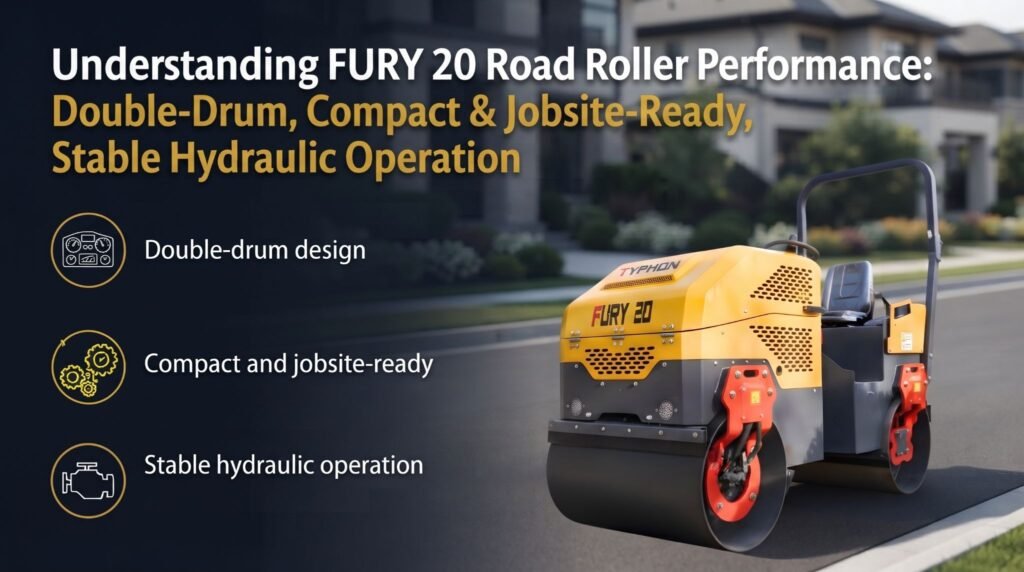
Understanding Road Roller Performance: Instrument Panel, Hydraulics & Vanguard Engine
Compaction has always been the make-or-break stage of any paving or earthwork project. Get it right, and the surface lasts for decades. Get it wrong, and you face premature cracking, rutting, and costly rework. For years, achieving proper density relied on operator experience, guesswork, and a lot of extra passes to be safe. That approach worked, but it wasted fuel, time, and material.
A well-built road roller changed all of that. With a clear instrument panel, a dependable hydraulic system, and a proven Vanguard engine, operators gained the control and consistency they needed to compact with confidence. Today, you can monitor machine performance at a glance, apply steady power through every pass, and rely on rugged components to get the job done right. This guide walks you through how the instrument panel keeps you informed, how the hydraulic system drives smooth operation, and what the Vanguard engine brings to reliable compaction work.
How the Instrument Panel, Hydraulic System, and Vanguard Engine Work
A road roller’s performance comes from several core components working together. Each part plays a specific role, and the combination delivers the steady, dependable operation crews count on. Knowing how these parts function helps you get the most from the equipment.
At a high level, the instrument panel keeps the operator informed, the hydraulic system delivers smooth and controlled motion, and the Vanguard engine supplies dependable power. Together, these components give the operator the control needed to compact with confidence. Let’s break down the main components.
The Instrument Panel
The instrument panel sits at the heart of daily operation, giving the operator a clear window into how the machine is running. It displays key readings like engine status, fuel level, and operating hours, all in one easy-to-read view. As the drum rolls over the material, the operator glances at these readings to stay aware of the roller’s condition and performance throughout the job.
The panel updates steadily as the roller works, giving the operator clear readings at a glance. Engine status, fuel level, and operating hours stay in plain view, making it easy to track how the machine is performing. No guesswork and no need to step away from the controls to stay informed.
The Hydraulic System
The hydraulic system gives the roller its smooth, controlled motion. By driving the drum and drive functions with steady power, it lets the operator make even, consistent passes across the surface. The result is reliable compaction the operator can feel through the controls on every pass.
The hydraulic system does two things. It gives the operator smooth, responsive control in real time, and it keeps every pass steady and even. Operators can feel the machine respond through the controls, making it easier to work with confidence across the entire surface.
The Vanguard Engine and Operator Controls
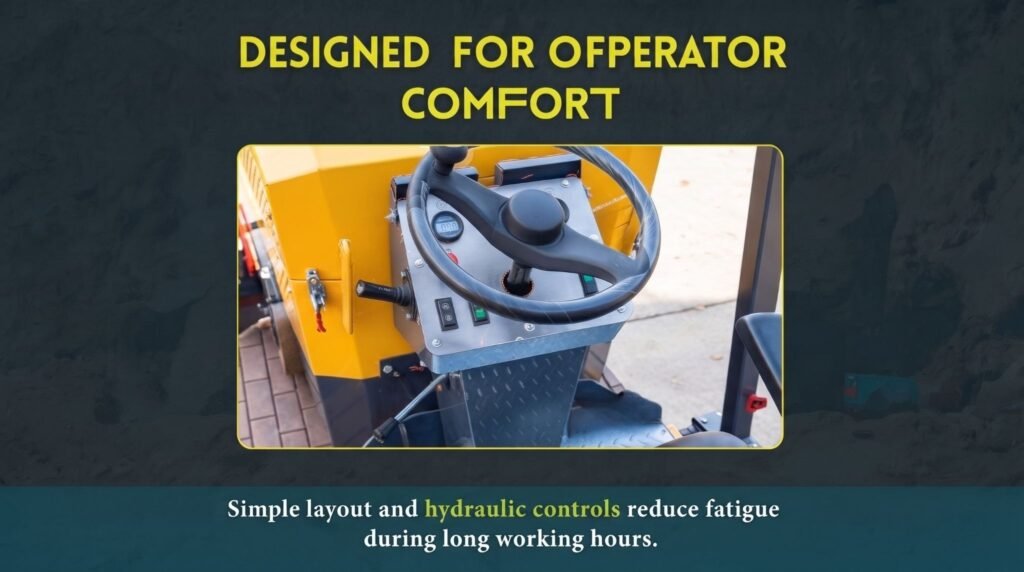
The final piece is the instrument panel and the operator controls that work alongside it. The panel gives the operator a clear, at-a-glance view of how the machine is running, displaying key readings like engine status, fuel level, and operating hours. Instead of guessing, the operator can check the panel and stay aware of the roller’s condition throughout the job.
Behind the scenes, the machine keeps working dependably pass after pass. With the instrument panel showing engine status, fuel level, and operating hours, the operator stays aware of how the roller is performing at all times. That straightforward monitoring makes it easy to keep the machine running at its best throughout the job.
The Benefits of a Well-Built Road Roller
The reasons to adopt smart compaction go well beyond novelty. The technology delivers measurable gains in efficiency, quality, and cost control. For contractors watching margins closely, these benefits add up quickly across a season.
Each advantage feeds the others. Better accuracy reduces rework, which saves time and material, which lowers your overall cost per project. Here’s how it plays out on the ground.
Improved Efficiency and Fewer Passes
One of the clearest wins is reduced pass count. When operators can see exactly when a target density is reached, they stop rolling instead of adding “safety” passes. This saves fuel, reduces machine wear, and frees the roller for the next section sooner.
Fewer passes also mean faster project completion. On large jobs, cutting even one pass across the whole surface translates into significant time savings. That speed lets crews take on more work without adding equipment.
Greater Accuracy and Consistent Quality
Because a dependable machine gives the operator steady feedback and consistent power, quality becomes far more uniform. With clear readings on the instrument panel and smooth hydraulic control, the operator can stay aware of the roller’s performance and correct weak spots on every pass. The finished surface holds up better and lasts longer.
Consistent density also reduces the risk of failed inspections. When the operator relies on steady feedback from the instrument panel and smooth hydraulic control to compact evenly on every pass, weak spots get corrected before they become problems. That dependable operation protects your crew from costly disputes and rework orders down the line.
Long-Term Cost Savings from Reliable Performance
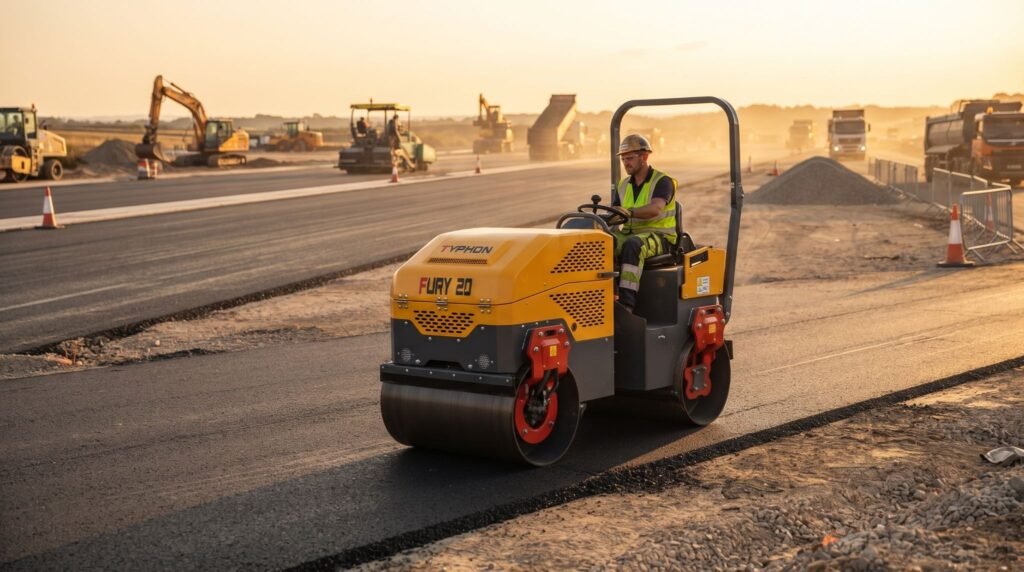
A well-built road roller pays back through lower operating costs over its working life. The dependable Vanguard engine runs efficiently pass after pass, while a smooth hydraulic system reduces wasted effort and machine wear. Fuel savings, less material waste, and fewer reworked sections all contribute directly to the bottom line. Over the life of the machine, these savings from reliable components often outweigh the initial cost.
There’s also a competitive edge. Contractors who can rely on dependable equipment to deliver consistent, high-quality compaction are better positioned to win repeat business and take on more demanding projects. That reputation for reliable results is a real financial benefit that’s easy to overlook.
Buying Considerations: Instrument Panel, Hydraulics & Engine
Choosing a road roller is a significant decision, and the right choice depends on your specific work. Matching the machine’s capabilities to your project types ensures you get value without paying for features you’ll never use. A clear instrument panel, a dependable hydraulic system, and a proven Vanguard engine are the practical features worth weighing before you commit. Evaluate your options carefully with reliability and job requirements in mind.
Consider the range of jobs you handle, the specifications your clients require, and the support you’ll need to keep the system running. A few focused questions will point you toward the right investment.
Match the Machine’s Features to Your Projects
Not every job demands the same level of capability. If you mostly handle small driveways and private lots, a roller with a straightforward instrument panel and a dependable hydraulic system may serve you well. Larger road and highway work calls for a more rugged machine, so look for a proven Vanguard engine and a robust hydraulic system built to handle longer runs and tougher material.
Think about your growth plans too. Investing in a more capable system can open the door to bigger, better-paying contracts. Buy for where your business is headed, not just where it is today.
Ease of Use and Operator Training
A well-built roller only helps if your team can operate it confidently. Look for a machine with a clear, easy-to-read instrument panel that operators can check at a glance, along with straightforward hydraulic controls that respond smoothly. Simple, intuitive operation speeds up adoption and lets your crew work with confidence from day one.
Ask about training and onboarding support when you buy. A supplier who helps your crew get comfortable with the system quickly protects your investment and gets you productive faster.
Support, Service, and Parts Availability
A road roller depends on rugged mechanical systems, so reliable support matters as much as the machine itself. Confirm that parts, service, and technical help are readily available for the instrument panel, hydraulic system, and Vanguard engine. Downtime on any of these core components can bring a job to a halt, so dependable service keeps your roller working when you need it most.
Finally, weigh how easily you can keep the machine serviced over time. Make sure replacement parts for the instrument panel, hydraulic system, and Vanguard engine are readily available and that a responsive service team stands behind them. Quick access to maintenance support keeps your roller running and your projects moving without unexpected downtime.
Frequently Asked Questions
What does the instrument panel tell me during operation?
The instrument panel gives you a clear, at-a-glance view of how the machine is running during operation. It displays key readings like engine status, fuel level, and operating hours, so you always know the roller’s condition. Instead of guessing, you can check the panel throughout the job and stay aware of how the machine is performing on every pass. That steady feedback helps you catch issues early and keep the roller working at its best.
How long does it take to learn to operate a road roller?
Most operators pick up the basics fairly quickly, since the instrument panel is designed to be read at a glance, showing engine status, fuel level, and operating hours in one clear view. Getting fully comfortable with the hydraulic controls and steady, even passes may take a bit longer, but a supplier who provides solid training and onboarding support can shorten that learning curve considerably. The clearer and more intuitive the machine, the faster your crew will be productive and confident on the job.
Conclusion
A well-built road roller combines three essential systems: a clear instrument panel, a smooth hydraulic system, and a proven Vanguard engine. Together, they provide the control, visibility, and reliable power operators need to achieve consistent compaction on every pass. This combination helps improve productivity, maintain uniform surface quality, reduce operator fatigue, and keep projects moving efficiently from start to finish.
As compaction requirements continue to grow, choosing the right road roller becomes increasingly important. Evaluating key components instead of focusing only on size or price can lead to better long-term performance and lower operating costs. A machine with dependable controls, smooth hydraulic operation, and a reliable engine helps contractors minimize downtime, meet density targets with confidence, and deliver the consistent results that build a strong reputation and repeat business.