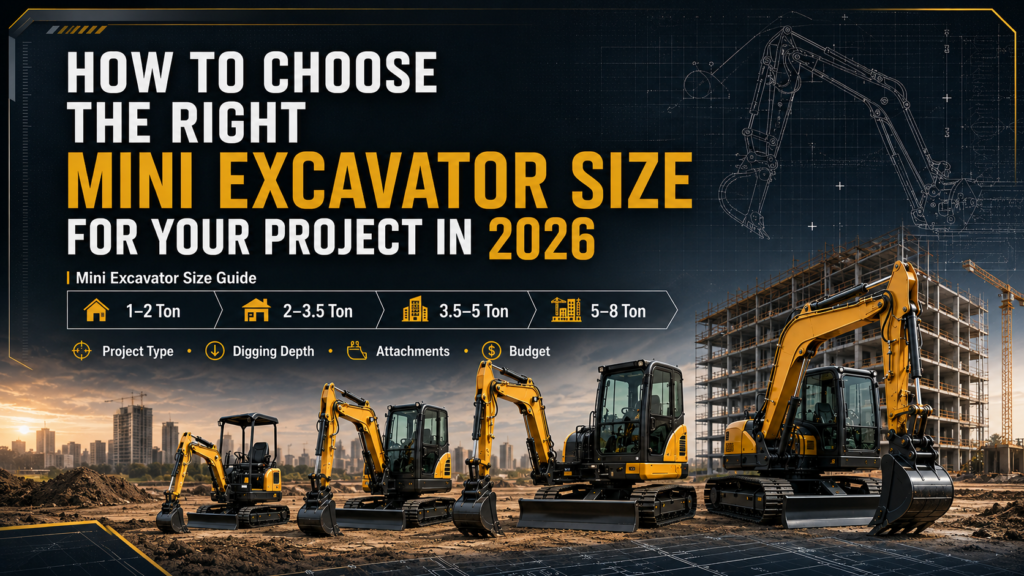
How to Choose the Right Mini Excavator Size for Your Project in 2026
The rumble of machinery, the swift movement of earth, the satisfaction of a job well done – these are the hallmarks of construction and landscaping projects. But before you can experience that satisfaction, you need the right tools. For many tasks, from digging trenches to clearing land, a mini excavator is an indispensable piece of equipment. Compact, powerful, and versatile, these machines have revolutionized how we approach smaller-scale earthmoving. However, the sheer variety of mini excavators available can be overwhelming. How do you decide which one is the perfect fit for your specific needs, especially when looking ahead to the innovations and demands of 2026?
Choosing the right mini excavator isn’t just about picking the biggest or the smallest; it’s about a strategic alignment of machine capabilities with project requirements, site conditions, and budget constraints. A misstep here can lead to inefficiencies, increased costs, project delays, or even safety hazards. This comprehensive guide is designed to empower you with the knowledge and insights needed to make an informed decision. We’ll delve into the critical factors, practical considerations, and emerging trends that will shape your choice in 2026, ensuring your project runs smoothly, efficiently, and successfully. Whether you’re a seasoned contractor, a diligent homeowner, or a burgeoning landscaper, understanding the nuances of mini excavator selection is your first step towards achieving your project goals.
What is How to Choose the Right Mini Excavator Size for Your Project in 2026?
Choosing the right mini excavator size for your project in 2026 isn’t a single, straightforward answer; rather, it’s a dynamic process of evaluating several interconnected factors to match the machine’s capabilities with your specific job requirements. At its core, this involves understanding the various classifications of mini excavators, their typical applications, and how evolving technology and project demands will influence your decision-making in the coming years.
In 2026, the selection process will continue to be driven by fundamental project needs, but with an increased emphasis on efficiency, environmental impact, and smart technology integration. You’ll be asking questions like: What is the primary task? Is it digging a shallow trench for irrigation, excavating a foundation for a new home, or clearing brush in a confined space? The answer to this question immediately narrows down your options. A micro excavator, perfect for navigating tight garden gates and working indoors, will be utterly insufficient for a large-scale foundation dig. Conversely, a 5-ton machine might be overkill and too cumbersome for delicate landscaping work in a residential backyard.
Beyond the task itself, site conditions are paramount. Will you be working on soft, uneven ground, or a paved, stable surface? Are there overhead obstructions like power lines or tree branches? Are there width restrictions, such as narrow pathways or doorways? The physical constraints of your work environment directly dictate the machine’s footprint, tail swing radius (conventional, reduced, or zero tail swing), and overall dimensions.
Budget, of course, always plays a significant role. Renting a larger machine for a one-off project might be more cost-effective than purchasing, while frequent use might justify investment in a smaller, versatile model. Operating costs, including fuel (or battery charging for electric models), maintenance, and transport, also factor into the equation.
Finally, looking ahead to 2026, the decision will increasingly incorporate considerations for advanced features. Telematics for remote monitoring, electric or hybrid power options for reduced emissions and noise, advanced hydraulic systems for precision, and even semi-autonomous capabilities will become more prevalent. Understanding these technological advancements and how they can benefit your project will be crucial in making a future-proof choice. This guide aims to provide a structured approach to navigating these complexities, ensuring you select a mini excavator that maximizes productivity and minimizes hassle.
Key Benefits
Choosing the right mini excavator size for your project in 2026 offers a multitude of benefits that directly impact project efficiency, cost-effectiveness, safety, and overall success. It’s not merely about having a machine; it’s about having the optimal machine.
Firstly, enhanced efficiency and productivity stand out. A mini excavator that perfectly matches the job’s demands can complete tasks much faster and with greater precision. For instance, using a 3-ton excavator for a medium-sized trenching job will be significantly more efficient than trying to accomplish the same task with a 1-ton machine, which would require more passes and take longer. Conversely, a 5-ton machine might be too slow and cumbersome in a confined space where a 2-ton model could zip around with ease. The right size means fewer cycles, less fuel consumption per task, and quicker project completion, directly translating to higher productivity rates.
Secondly, significant cost savings are a direct result of proper sizing. This isn’t just about the rental or purchase price. A correctly sized machine consumes less fuel (or electricity), requires less maintenance due to not being overstressed, and is cheaper to transport. Imagine needing to dig a small foundation for a shed. Renting a 1.5-ton mini excavator will be considerably less expensive in terms of daily rate, fuel, and transport compared to a 6-ton model, which might also require a larger, more expensive trailer and tow vehicle. Furthermore, avoiding machine downtime due to breakdowns from inappropriate use saves money on repairs and lost work hours.
Thirdly, improved safety and reduced risk are critical. An excavator that is too large for a confined space can be difficult to maneuver, increasing the risk of collisions with structures, utilities, or personnel. An excavator that is too small for a heavy-duty task might be unstable, leading to tipping hazards or operator fatigue from overworking the machine. The right size ensures the machine operates within its safe working load and stability limits, providing a more secure environment for the operator and those working around it. Modern mini excavators in 2026 will also feature advanced safety systems, and matching these to the project’s risk profile is key.
Fourthly, greater versatility and adaptability are achieved when you select a machine that can handle a range of tasks within its intended scope. Many mini excavators can be fitted with various attachments – augers, hydraulic hammers, grapples, and different bucket sizes. Choosing a size that can effectively power these attachments for your anticipated tasks maximizes its utility. For example, a 3.5-ton mini excavator might be ideal for digging, but also robust enough to operate a small hydraulic breaker for concrete demolition, offering a multi-purpose solution.
Finally, minimized environmental impact is becoming an increasingly important factor, especially in 2026. Smaller machines generally have smaller engines, consuming less fuel and emitting fewer pollutants. The growing availability of electric and hybrid mini excavators further reduces noise pollution and emissions, making them ideal for urban, residential, or indoor projects where environmental considerations are paramount. Selecting the right size often means selecting the most environmentally responsible option for the task at hand. By carefully considering these benefits, you ensure your investment in a mini excavator pays dividends in every aspect of your project.
How to Get Started
Getting started with choosing the right mini excavator size for your project in 2026 involves a systematic approach, breaking down your project into manageable considerations. This isn’t a one-size-fits-all decision; it requires careful analysis of your specific needs and constraints.
1. Define Your Project Scope and Primary Tasks
The very first step is to clearly articulate what you need the mini excavator to do.
- What are the main tasks? Are you digging trenches for utilities (water, electrical, drainage), excavating a foundation for a building, grading land, clearing brush, demolishing small structures, or lifting materials?
- What are the dimensions? What is the required digging depth, reach, and lifting capacity? For example, a 6-foot deep trench for a septic system requires a different machine than a 2-foot deep trench for irrigation.
- What materials will you be moving? Is it loose soil, compacted clay, rocky ground, or concrete debris? The density and volume of material influence the necessary breakout force and bucket capacity.
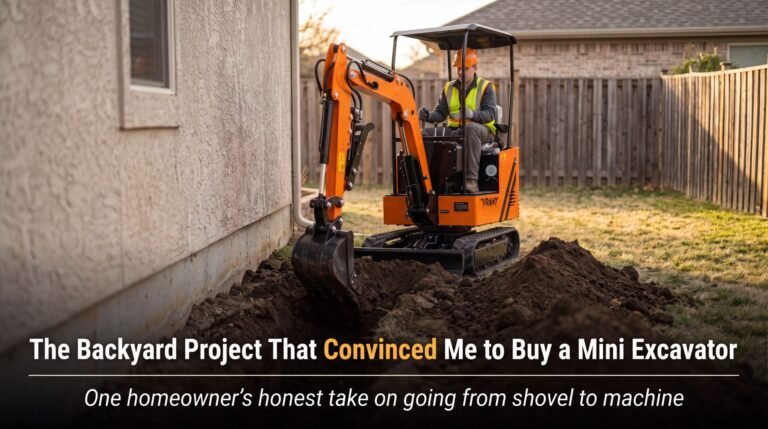
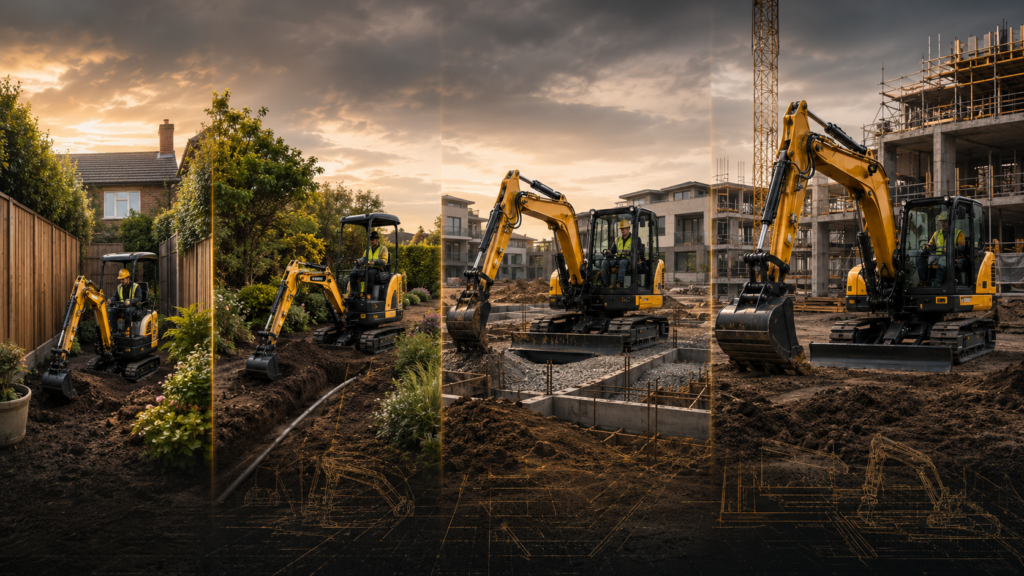
Example: If your project is a residential landscaping overhaul involving digging a 4-foot deep pond, creating a few garden beds, and moving some decorative rocks, you’ll need a machine with adequate digging depth and lifting capacity for the rocks, but also precise control for the garden beds. A 2.5-ton to 3.5-ton model would likely be a good starting point.
2. Evaluate Your Site Conditions and Constraints
The physical environment of your project dictates many machine specifications.
- Access and Space: How wide are the gates, doorways, or pathways leading to the work area? Are there overhead obstructions like power lines, tree branches, or building overhangs? This will determine the machine’s width, height, and whether a zero or reduced tail swing model is necessary.
- Ground Conditions: Is the ground soft, muddy, rocky, or sloped? Track type (rubber or steel) and track width can impact stability and traction.
- Noise and Emissions: Are you working in a residential area, indoors, or near sensitive environments where noise and exhaust fumes are a concern? This might push you towards electric or hybrid models, which will be more common and capable in 2026.
Example: For an indoor demolition project or work in a densely populated urban area, a micro excavator (under 1 ton) with an electric motor would be ideal due to its compact size, low noise, and zero emissions, allowing access through standard doorways and operation without disturbing neighbors.
3. Consider Transportation and Logistics
How will you get the mini excavator to and from your site?
- Weight and Dimensions: The machine’s operating weight and size determine the type of trailer and tow vehicle required. Can your existing truck and trailer handle the load, or will you need to rent specialized transport?
- Frequency of Movement: If you’re moving the machine between multiple sites frequently, ease of transport becomes a higher priority.
Example: A homeowner renting a 1.7-ton mini excavator can often transport it on a utility trailer pulled by a standard pickup truck. A contractor needing a 5-ton machine will require a heavy-duty truck and a larger, specialized trailer, potentially incurring higher transport costs or requiring professional delivery.
4. Budget and Rental vs. Purchase
Your financial plan will significantly influence your decision.
- Rental: For short-term or infrequent projects, renting is often the most economical choice, covering maintenance and storage. Rental companies can also advise on the best size for your specific project.
- Purchase: If you anticipate frequent use over many years, purchasing might be more cost-effective in the long run. Consider depreciation, maintenance, storage, and insurance costs.
- Operating Costs: Factor in fuel/electricity consumption, operator wages, and potential attachment rentals.
Example: A small landscaping business that uses a mini excavator several times a month might justify purchasing a versatile 3-ton model. A homeowner with a single large project every few years would almost certainly opt for a rental, saving on capital expenditure and ongoing costs.
5. Research and Consult
Once you have a clear understanding of your needs, it’s time to research specific models and brands.
- Specifications: Compare digging depth, reach, breakout force, lifting capacity, engine power, and hydraulic flow rates.
- Features: Look for features like zero tail swing, extendable undercarriages, quick couplers for attachments, and advanced operator controls.
- Reviews and Recommendations: Read reviews, watch videos, and ask for recommendations from experienced professionals.
- Rental Companies/Dealers: Consult with local rental companies or equipment dealers. They have extensive knowledge and can often provide valuable insights based on their inventory and customer experiences. They can also provide a “How to Choose the Right Mini Excavator Size for Your Project in 2026 guide” tailored to their offerings.
By meticulously working through these steps, you’ll build a comprehensive understanding of your project’s requirements and the machine capabilities needed to meet them, setting you on the path to selecting the perfect mini excavator for 2026.
Best Practices
Once you’ve started the process of defining your project and evaluating your site, implementing best practices will refine your choice and ensure you get the most out of your mini excavator in 2026. These practices go beyond mere selection; they encompass operational considerations, technological awareness, and forward-thinking planning.
1. Prioritize Attachments and Versatility
A mini excavator’s true power often lies in its ability to utilize a wide array of attachments. Don’t just think about the bucket; consider what other tools might be beneficial for current and future projects.
- Common Attachments: Buckets (various sizes and types), hydraulic hammers/breakers, augers, grapples, rippers, plate compactors, and trenchers.
- Quick Couplers: Ensure the machine is equipped with a quick coupler system to allow for fast and easy attachment changes, maximizing uptime and versatility.
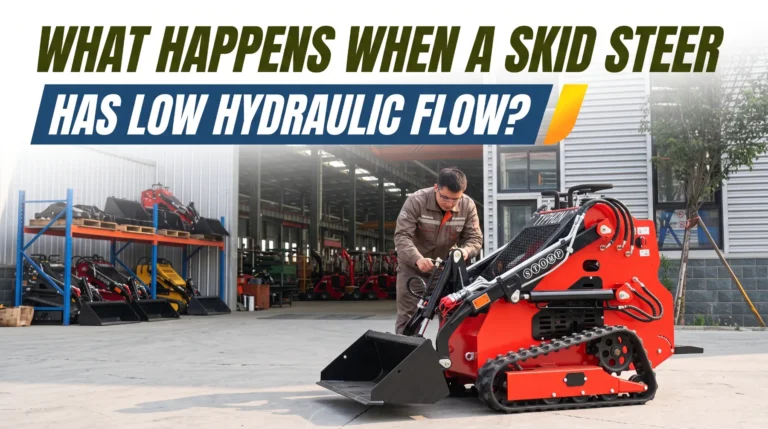
- Hydraulic Flow: Check the auxiliary hydraulic flow rate of the mini excavator. Different attachments require specific flow rates and pressure. A machine with insufficient hydraulic power won’t operate an attachment effectively, regardless of its size.
Practical Example: If you anticipate needing to dig post holes for a fence, clear some brush, and occasionally break up old concrete, a 3.5-ton mini excavator with good auxiliary hydraulics and a quick coupler would allow you to easily switch between an auger, a grapple, and a hydraulic breaker, making it a highly versatile tool for diverse tasks.
2. Understand Tail Swing and Undercarriage Options
These two features significantly impact maneuverability and stability, especially in confined or challenging environments.
- Conventional Tail Swing: The counterweight extends beyond the width of the tracks when rotating. Offers excellent stability but requires more operating space.
- Reduced Tail Swing: The counterweight extends minimally beyond the tracks. A good compromise for tighter spaces while maintaining decent stability.
- Zero Tail Swing (ZTS): The counterweight stays within the width of the tracks during rotation. Ideal for extremely confined spaces, working alongside walls, or in urban environments where every inch matters.
- Extendable Undercarriage: Some smaller mini excavators offer an undercarriage that can be hydraulically extended for greater stability during digging or lifting, and retracted for narrow access.
Practical Example: For a project involving digging around an existing building or in a narrow alleyway, a zero tail swing (ZTS) mini excavator would be invaluable, preventing damage to structures and allowing the operator to focus on the digging task rather than worrying about the machine’s rear.
3. Consider Operator Comfort and Controls
An operator’s comfort directly impacts productivity and safety, especially during long workdays.
- Ergonomics: Look for comfortable seating, intuitive joystick controls, and good visibility.
- Cab Features: Air conditioning/heating, radio, and charging ports might seem like luxuries but contribute to operator well-being.
- Advanced Controls: In 2026, expect more sophisticated control systems, including customizable settings, digital displays, and potentially even semi-autonomous features that can assist with repetitive tasks like trenching.
Practical Example: A contractor planning extensive digging work over several weeks should prioritize a mini excavator with an enclosed, climate-controlled cab and ergonomic controls to minimize operator fatigue and maintain high productivity, even in adverse weather conditions.
4. Leverage Technology and Future Trends (2026 Perspective)
The construction equipment landscape is rapidly evolving. Staying abreast of these changes is crucial for making a future-proof decision.
- Electric/Hybrid Models: These are gaining traction for their zero emissions, quiet operation, and lower running costs (especially with rising fuel prices). They are perfect for indoor work, urban areas, and environmentally sensitive sites.
- Telematics: Many modern mini excavators come with telematics systems that provide real-time data on location, fuel consumption, engine hours, and diagnostic codes. This data is invaluable for fleet management, maintenance scheduling, and optimizing usage.
- GPS and Grade Control: Advanced systems can guide operators to achieve precise grades and depths, reducing rework and increasing accuracy.
- Safety Enhancements: Expect more sophisticated safety features like 360-degree cameras, proximity sensors, and enhanced rollover protection systems.
Practical Example: For a company bidding on projects in cities with strict noise and emission regulations, investing in an electric mini excavator in 2026 would not only ensure compliance but also provide a competitive edge, allowing them to work in areas where diesel machines are restricted. Utilizing telematics on their fleet would allow them to monitor machine health and schedule preventative maintenance, avoiding costly breakdowns.
5. Always Conduct a Site Visit and Test Drive (If Possible)
- Site Visit: Walk the project site with your chosen machine’s specifications in mind. Visualize how it will move, dig, and operate within the constraints.
- Test Drive: If possible, operate the mini excavator yourself. Feel the controls, assess visibility, and get a sense of its power and maneuverability. This hands-on experience can reveal nuances that specifications alone cannot.
By integrating these best practices into your selection process, you’ll not only choose the right mini excavator size but also ensure it’s equipped to handle your project efficiently, safely, and with an eye towards future technological advancements. For more detailed insights, consider exploring a comprehensive “How to Choose the Right Mini Excavator Size for Your Project in 2026 resources” guide.
Frequently Asked Questions
Q1: What is the most common size of mini excavator for general landscaping and homeowner projects?
For general landscaping and homeowner projects, the most common and versatile mini excavator sizes range from 1.5 to 3.5 tons (approximately 3,300 to 7,700 lbs).
- 1.5 to 2.5-ton models: These are excellent for smaller tasks like digging shallow trenches, creating garden beds, clearing small stumps, and working in tight backyard spaces. They are relatively easy to transport with a standard pickup truck and trailer.
- 2.5 to 3.5-ton models: These offer more power, digging depth, and reach, making them suitable for larger landscaping projects, digging small foundations for sheds or additions, and handling heavier materials. They can also operate a wider range of attachments effectively. The specific choice within this range depends on the project’s scale, required digging depth, and the need for attachment versatility.
Q2: How does a “zero tail swing” mini excavator work, and why is it important?
A “zero tail swing” (ZTS) mini excavator is designed so that its counterweight and upper structure remain within the width of its tracks when the machine rotates. This means the rear of the excavator does not extend beyond the tracks, even when turning 360 degrees.
- How it works: The machine’s design integrates the engine and counterweight more compactly, often with a slightly wider chassis or specific counterweight shaping, to ensure no protrusion past the tracks.
- Importance: ZTS is crucial for working in confined spaces, such as alongside buildings, in narrow alleyways, or densely populated urban areas. It significantly reduces the risk of collision with obstacles, improves safety for ground personnel, and allows the operator to focus on the digging task without constantly worrying about the machine’s rear swing. This feature will continue to be a key consideration in 2026 for efficiency and safety in tight environments.
Q3: What are the benefits of choosing an electric or hybrid mini excavator in 2026?
The benefits of choosing an electric or hybrid mini excavator in 2026 are substantial and growing in importance:
- Zero Emissions (Electric): Fully electric models produce no exhaust emissions, making them ideal for indoor projects, enclosed spaces, or environmentally sensitive areas.
- Reduced Noise: Both electric and hybrid models operate significantly quieter than their diesel counterparts, which is a major advantage in residential areas, urban environments, and during early morning/late evening work, minimizing disruption.
- Lower Operating Costs: While the initial purchase price might be higher, electric models can have lower “fuel” costs (electricity is often cheaper than diesel) and reduced maintenance due to fewer moving parts in the powertrain.
- Regulatory Compliance: As environmental regulations become stricter, especially in urban centers, electric and hybrid machines will ensure compliance and open up opportunities for projects where diesel machines are restricted.
- Improved Operator Environment: Less noise and no fumes create a more comfortable and healthier working environment for the operator.
Q4: What factors determine the required digging depth and reach?
The required digging depth and reach are primarily determined by the specific tasks you need to perform:
- Digging Depth: This is the maximum vertical distance the bucket can dig below ground level. For trenching, foundation work, or pond excavation, you need a machine whose digging depth exceeds your project’s maximum requirement. Always factor in a little extra depth for grading and unforeseen circumstances.
- Reach: This refers to the maximum horizontal distance the bucket can extend from the machine’s center of rotation. It’s crucial for tasks like loading trucks, reaching over obstacles, or digging at a distance from the machine. If you need to load high-sided dump trucks or excavate a wide area without frequently repositioning the machine, a longer reach is beneficial. Always consult the manufacturer’s specifications for digging depth and reach, and consider the type of bucket you’ll be using, as different buckets can slightly alter these measurements.
Q5: How important is hydraulic flow when selecting a mini excavator?
Hydraulic flow is extremely important, especially if you plan to use various hydraulic attachments. It refers to the volume of hydraulic fluid that the machine’s pump can deliver per minute (measured in gallons per minute or liters per minute) to power attachments.
- Powering Attachments: Many attachments, such as hydraulic hammers, augers, mulchers, and grapples, require a specific minimum hydraulic flow and pressure to operate efficiently and effectively.
- Performance: A machine with insufficient hydraulic flow for an attachment will cause the attachment to operate slowly, weakly, or not at all, leading to frustration and inefficiency.
- Matching: When selecting a mini excavator, always check the hydraulic flow requirements of the attachments you intend to use and ensure the machine’s auxiliary hydraulic system can meet or exceed those demands. This ensures optimal performance and versatility.
Q6: Should I rent or buy a mini excavator for my project in 2026?
The decision to rent or buy depends on several factors:
- Frequency of Use: If you anticipate using a mini excavator frequently (e.g., several times a month or for ongoing projects), purchasing might be more cost-effective in the long run, building equity and providing immediate access.
- Project Duration: For a single, short-term project or infrequent use, renting is almost always the more economical choice. It eliminates the upfront capital cost, storage, maintenance, insurance, and depreciation concerns.
- Budget: Rental costs are spread out and predictable, while purchasing requires a significant initial investment.
- Storage and Maintenance: Owning requires adequate storage space and responsibility for all maintenance, repairs, and insurance. Renting offloads these responsibilities to the rental company.
- Technology: Renting allows you to access the latest models and technologies (like electric options in 2026) without the commitment of purchase, ensuring you always have up-to-date equipment.
For most homeowners and small businesses with occasional needs, renting is the preferred option. Larger contractors with consistent demand often find purchasing beneficial.
Conclusion
Choosing the right mini excavator size for your project in 2026 is a critical decision that impacts every facet of your work, from efficiency and safety to budget and environmental footprint. It’s a process that demands careful consideration, not just of the immediate task at hand, but also of your site’s unique constraints, the capabilities of modern machinery, and the evolving landscape of construction technology. By meticulously evaluating your project scope, understanding site conditions, prioritizing attachment versatility, and leveraging advancements like zero tail swing designs and electric powertrains, you empower yourself to make an informed and strategic choice.
Remember, the goal isn’t just to get any mini excavator, but to secure the optimal mini excavator – one that acts as a true extension of your capabilities, enhancing productivity, ensuring safety, and delivering superior results. Whether you’re a seasoned professional or embarking on a personal project, the insights provided in this guide will serve as your compass in navigating the diverse world of mini excavators. Make a choice that not only meets today’s demands but also positions you for success in the years to come.
Learn more today and ensure your next project is equipped for excellence!