
Mini Road Roller for Small Jobs: Your Ultimate Guide to Efficient Compaction
Imagine you’re tackling a landscaping project, repaving a small driveway, or laying down a new path in your garden. You’ve spread the aggregate, but now comes the crucial step: compaction. Without proper compaction, your meticulously planned surface will quickly degrade, leading to cracks, unevenness, and a short lifespan. For years, this task often meant back-breaking manual labor with hand tampers or the expense and logistical headache of bringing in a full-sized, industrial road roller – a machine far too large and powerful for delicate, smaller-scale work.
But what if there was a perfect solution, a specialized piece of equipment designed specifically for these smaller, more intricate jobs? Enter the mini road roller. This compact, yet powerful, machine has revolutionized how individuals and small businesses approach compaction tasks. It bridges the gap between manual effort and industrial machinery, offering an ideal balance of efficiency, precision, and cost-effectiveness. Whether you’re a DIY enthusiast looking to perfect your patio, a landscaper crafting beautiful pathways, or a contractor working on tight urban spaces, understanding the capabilities and benefits of a mini road roller for small jobs can dramatically improve your project outcomes. This comprehensive guide will delve into everything you need to know, from its fundamental design to practical applications and best practices, ensuring your next small compaction project is a resounding success.
1. What is a Mini Road Roller for Small Jobs?
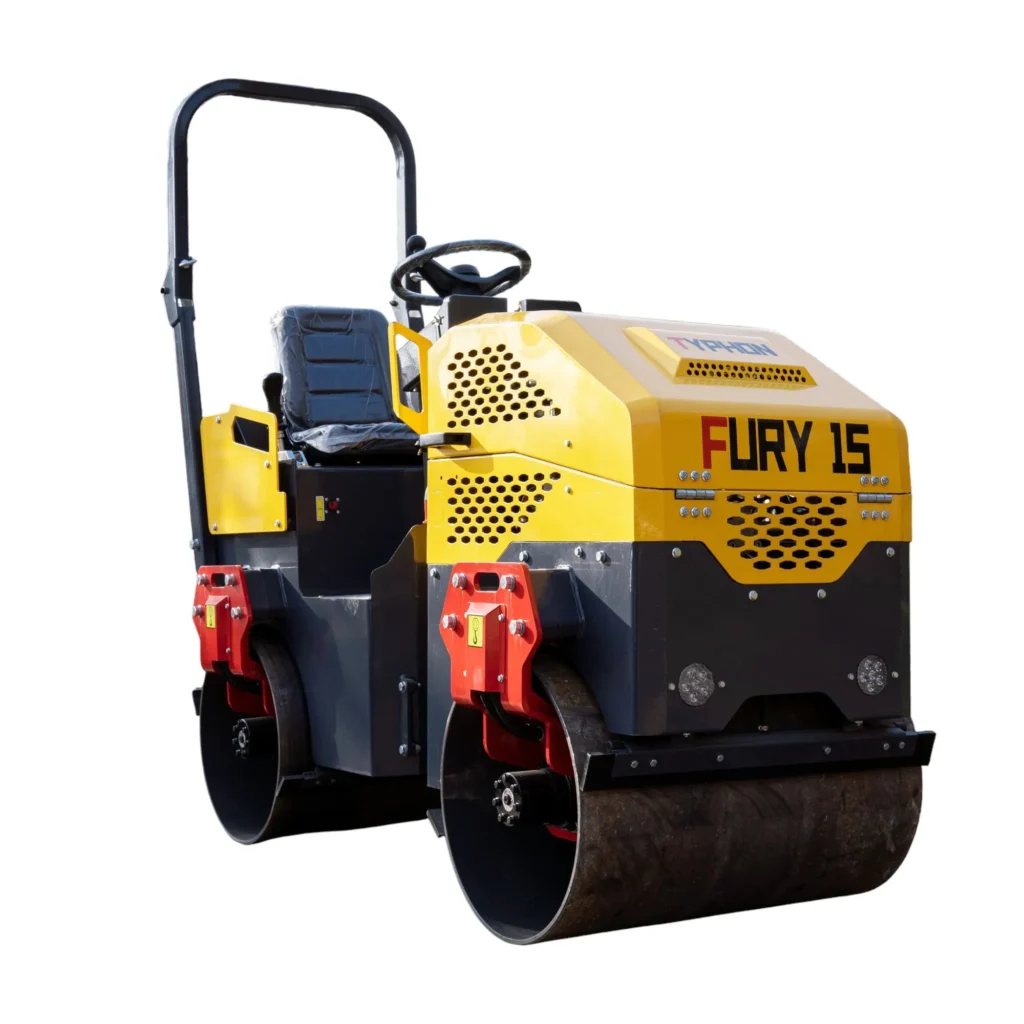
The defining characteristic of a mini road roller is its size and operational design. They typically feature one or two heavy, smooth steel drums (or “rolls”) that apply static pressure and, in many models, dynamic vibratory force to the surface material. The weight of the drum, combined with vibration, forces air out of the material, interlocking particles more tightly. This process significantly reduces voids, preventing future settlement, improving drainage, and creating a robust, durable surface.
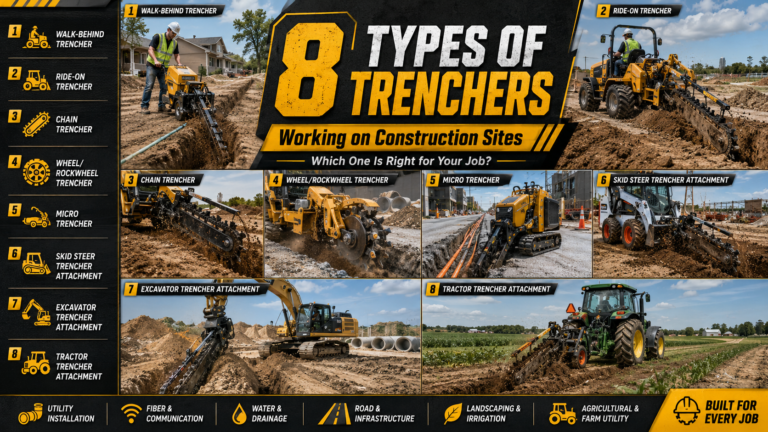
There are several types of mini road rollers, each designed with specific applications in mind:
- Walk-Behind Rollers: These are among the most common types for small jobs. As the name suggests, an operator walks behind the machine, guiding it. They typically have one or two drums and are highly maneuverable, ideal for tight spaces, trenches, and detailed landscaping work. They often come with a water sprinkling system to prevent asphalt from sticking to the drum.
- Ride-On Rollers (Small/Compact): While still “mini” compared to industrial rollers, these are larger than walk-behind models and feature a seat for the operator. They offer greater comfort for longer periods of operation and cover more ground faster. They are suitable for larger driveways, parking lots, and sports fields where a walk-behind might be too slow but a full-sized roller is overkill.
- Trench Rollers: These are specialized walk-behind or remote-controlled rollers designed specifically for compacting soil in narrow trenches, often used for utility installations or foundation work. Their narrow drums and high compaction force are ideal for such confined spaces.
- Vibratory Plate Compactors: While not strictly “rollers” as they use a flat plate rather than a drum, they serve a very similar purpose for small compaction jobs. They are excellent for granular soils, pavers, and small asphalt patches. They are often lighter and more portable than even walk-behind rollers.
The power source for mini road rollers typically ranges from gasoline engines for smaller, more portable units to diesel engines for the slightly larger ride-on compact models. Their operating weight can vary significantly, from a few hundred pounds for walk-behind models to several thousand pounds for compact ride-on versions. This range allows users to select a machine perfectly matched to the scale and intensity of their specific small job.
2. Key Benefits of Using a Mini Road Roller for Small Jobs
The decision to invest in or rent a mini road roller for your small jobs is often driven by a compelling list of advantages that significantly outweigh manual compaction methods or the impracticality of larger equipment. These benefits translate directly into improved project quality, efficiency, and cost savings.
2.1 Enhanced Compaction Quality and Durability
The most critical benefit of a mini road roller is its ability to deliver superior compaction compared to manual methods. Hand tamping, while useful for very small, isolated spots, cannot achieve the uniform density and deep penetration that a roller provides. Mini rollers, especially those with vibratory functions, apply consistent, powerful force across the material. This ensures that aggregates, soil, or asphalt particles are tightly interlocked, eliminating air voids and creating a dense, stable base.
- Prevents Settlement: Proper compaction prevents future settling and rutting, which are common issues in inadequately prepared surfaces. This is vital for driveways, patios, and pathways where unevenness can lead to safety hazards and structural damage.
- Increases Load-Bearing Capacity: A well-compacted base can support heavier loads without deforming. This is crucial for driveways that will bear vehicle weight or foundations that will support structures.
- Improves Drainage: Dense material reduces water penetration, minimizing frost heave damage in colder climates and preventing erosion. This extends the lifespan of the surface significantly.
- Professional Finish: The smooth drums of a mini roller leave a uniform, aesthetically pleasing finish, which is particularly important for visible surfaces like asphalt paths or decorative gravel areas.

2.2 Increased Efficiency and Time Saving
Time is money, especially in construction and landscaping projects. A mini road roller dramatically speeds up the compaction process compared to manual labor.
- Faster Coverage: Even a walk-behind mini roller can cover a significant area much quicker than a person with a hand tamper. Ride-on compact rollers accelerate this even further.
- Reduced Labor: What might take several people hours or even days with manual tools can often be accomplished by one operator with a mini roller in a fraction of the time. This reduces labor costs and frees up your team for other tasks.
- Consistent Results: The machine’s consistent application of force means fewer passes are required to achieve the desired density, further streamlining the workflow.
2.3 Versatility Across Various Materials and Applications
Despite their “mini” designation, these rollers are incredibly versatile, making them a valuable asset for a wide range of small jobs.
- Material Compatibility: They effectively compact various materials, including:
- Asphalt: For patching, driveways, pathways, and sports courts.
- Gravel/Aggregate: For sub-bases, driveways, garden paths, and decorative gravel surfaces.
- Soil/Dirt: For foundations, backfilling trenches, and landscaping earthworks.
- Sand: For paver bases or specialized applications.
- Application Diversity:
- Landscaping: Creating robust garden paths, patio bases, retaining wall backfill, and compacting soil for turf preparation.
- Driveways & Parking Lots: Repairing potholes, resurfacing small driveways, or laying new compact parking areas.
- Utility Trenching: Compacting backfill around pipes and cables to prevent settlement.
- Sports Surfaces: Preparing bases for tennis courts, basketball courts, or artificial turf fields.
- Foundation Work: Compacting soil around small building foundations or sheds.
2.4 Cost-Effectiveness
While there’s an initial cost to purchase or rent a mini road roller, the long-term cost benefits are substantial.
- Reduced Labor Costs: As mentioned, fewer hours spent on compaction directly translates to lower labor expenses.
- Extended Project Lifespan: Superior compaction means the finished surface will last longer, reducing the need for frequent repairs or complete overhauls. This saves significant material and labor costs over time.
- Avoidance of Large Equipment Rental: For small jobs, renting a full-sized road roller is often prohibitively expensive and unnecessary. A mini roller provides the right tool for the job without the associated high costs of larger machinery, transport, and specialized operators.
- Improved Reputation: For contractors and landscapers, delivering high-quality, durable results enhances their reputation, leading to more business and referrals.
In summary, a mini road roller for small jobs is not just a convenience; it’s a strategic investment that pays dividends in quality, efficiency, and cost savings. It empowers users to achieve professional-grade compaction on projects that were once either labor-intensive or required disproportionately large equipment.
3. How to Get Started with a Mini Road Roller for Small Jobs
Embarking on your first project with a mini road roller can seem daunting, but with the right preparation and understanding, it’s a straightforward process. This section will guide you through the essential steps, from selecting the right machine to operating it safely and effectively.
3.1 Choosing the Right Mini Road Roller
The first step is crucial: selecting a mini road roller that matches the specific requirements of your job. Consider the following factors:
- Type of Material: Are you compacting asphalt, gravel, soil, or sand? Some rollers are better suited for specific materials. For instance, vibratory rollers are excellent for granular materials, while static rollers or those with water systems are preferred for asphalt.
- Project Size and Area:
- Very Small Areas/Tight Spaces: A walk-behind roller or even a vibratory plate compactor might be ideal. Their maneuverability is key.
- Medium-Sized Areas (e.g., small driveway, large patio): A compact ride-on roller offers a good balance of coverage and maneuverability.
- Linear Projects (e.g., trenches): A trench roller or a narrow walk-behind roller is best.
- Compaction Force (Weight & Vibration): Heavier rollers or those with strong vibratory functions achieve higher compaction. Match the required compaction depth and density to the roller’s specifications. For instance, a deep gravel base will need more force than a thin layer of topsoil.
- Budget: Mini road rollers can be rented or purchased. For a one-off project, renting is often more economical. For frequent use, purchasing might be a better long-term investment. Consider rental costs, purchase price, maintenance, and fuel.
- Operator Comfort and Ease of Use: For walk-behind models, consider handle ergonomics and vibration dampening. For ride-on models, assess seat comfort and control layout.
Practical Example: If you’re paving a 100-foot garden path with asphalt, a walk-behind vibratory roller with a water system would be a perfect fit. If you’re compacting the sub-base for a 500 sq ft gravel driveway, a compact ride-on vibratory roller might be more efficient. If you’re just compacting soil for a small shed foundation, a heavy-duty vibratory plate compactor could suffice.
3.2 Safety First: Essential Precautions
Operating any heavy machinery, even a mini road roller, requires strict adherence to safety protocols.
- Read the Operator’s Manual: This is non-negotiable. It contains specific safety warnings, operating instructions, and maintenance schedules for your particular model.
- Personal Protective Equipment (PPE):
- Hearing Protection: Rollers can be noisy, especially vibratory models.
- Eye Protection: To guard against flying debris.
- Steel-Toed Boots: For foot protection.
- Gloves: To improve grip and protect hands.
- High-Visibility Clothing: Especially if working near traffic or other machinery.
- Site Assessment:
- Clear the Area: Remove any obstacles, debris, or loose objects that could interfere with operation or become projectiles.
- Identify Hazards: Look for uneven terrain, steep slopes (check the roller’s maximum operating angle), soft spots, utility lines (above and below ground), and nearby structures.
- Ensure Adequate Lighting: If working in low-light conditions.
- Machine Inspection: Before each use, perform a pre-operation check:
- Fluid Levels: Check fuel, oil, and hydraulic fluid.
- Tires/Drums: Inspect for damage, proper inflation (if applicable), and cleanliness.
- Controls: Ensure all levers, buttons, and emergency stops are functioning correctly.
- Safety Features: Verify guards are in place and warning lights/alarms work.
- Slope Awareness: Mini rollers have limitations on slopes. Always operate straight up and down slopes, not across them, to minimize the risk of tipping. If the slope is too steep, consider alternative compaction methods or specialized equipment.
- Maintain a Safe Distance: Keep bystanders, especially children and pets, away from the operating area.
3.3 Basic Operation Techniques
Once you’ve chosen your roller and completed safety checks, it’s time to learn the ropes of operation.
- Starting the Machine: Follow the manufacturer’s instructions, typically involving checking fuel, engaging the choke (if cold), and pulling a recoil starter or turning a key.
- Understanding Controls: Familiarize yourself with the throttle, forward/reverse controls, vibratory engagement (if applicable), and emergency stop.
- Compaction Pattern:
- Overlap: Always overlap each pass by at least 6-12 inches (15-30 cm) to ensure uniform compaction and avoid uncompacted strips.
- Edges First: For larger areas, start by compacting the edges first, making two or three passes along the perimeter. This creates a stable boundary.
- Working Inward: After the edges, work your way inward in parallel lines.
- Gradual Compaction: Start with static passes (no vibration) or lower vibration settings, especially on asphalt, to avoid displacement. Gradually increase vibration and make multiple passes until the desired density is achieved.
- Speed: Operate at a slow, consistent speed. Too fast, and you won’t achieve adequate compaction; too slow, and you risk over-compacting or creating ripples. The ideal speed allows the material to consolidate evenly.
- Turning: Make wide, gradual turns. Sharp turns, especially with vibratory rollers on asphalt, can cause scuffing or cracking. Lift the vibratory mechanism before turning if possible.
- Water System (for Asphalt): If compacting asphalt, ensure the water system is engaged to prevent the hot asphalt from sticking to the drum. Keep the water tank filled.
- Monitoring Results: Visually inspect the surface for uniformity. For critical projects, use a density gauge to verify compaction levels.
By carefully following these steps, you’ll be well-equipped to operate a mini road roller safely and effectively, achieving professional-grade compaction for all your small jobs.
4. Best Practices for Maximizing Efficiency and Results
Achieving optimal results with a mini road roller for small jobs goes beyond just knowing how to operate it. Implementing best practices ensures not only superior compaction but also extends the life of your equipment and enhances overall project efficiency.
4.1 Proper Material Preparation
The quality of your compaction is heavily dependent on the material you’re working with.
- Correct Material Selection: Ensure you’re using the right type of aggregate, soil, or asphalt mix for your specific application. For example, a well-graded aggregate base (with a mix of particle sizes) compacts better than uniformly sized gravel.
- Moisture Content: This is perhaps the most critical factor for soil and granular materials.
- Too Dry: Material won’t compact effectively; particles won’t bind. It will remain loose and prone to settlement.
- Too Wet: Material becomes “spongy,” and water gets trapped, leading to instability and potential liquefaction under compaction.
- Optimal Moisture: The “optimum moisture content” allows particles to slide past each other and interlock tightly. A simple test is to squeeze a handful of soil; it should form a ball without crumbling or oozing water. If it’s too dry, lightly sprinkle water; if too wet, allow it to dry out or mix in drier material.
- Layer Thickness: Compact materials in lifts (layers) of appropriate thickness. Trying to compact too thick a layer will result in only the top portion being adequately densified, leaving the bottom loose.
- General Rule: For most mini rollers, lifts of 4-6 inches (10-15 cm) are ideal for granular materials. Asphalt layers are typically thinner, as specified by the mix design.
- Even Spreading: Spread the material evenly before compaction. Uneven layers will lead to inconsistent compaction and an uneven final surface. Use rakes or shovels to level the material.
Practical Example: When preparing a gravel driveway base, ensure the gravel is spread in 4-inch lifts. If it’s a hot, dry day, lightly mist the gravel with water before rolling to achieve optimal moisture content, which will allow the roller to achieve maximum density.
4.2 Strategic Compaction Patterns and Passes
The way you roll the material significantly impacts the final outcome.
- Start at the Edges: As mentioned in operation, compacting the edges first creates a stable perimeter, preventing material from spreading outwards during subsequent passes. Make 2-3 passes along the perimeter.
- Work from Low to High (on slopes): If working on a slight incline, always compact from the lower elevation towards the higher elevation. This helps prevent material from pushing downhill and ensures better compaction.
- Consistent Overlap: Maintain a consistent overlap of 6-12 inches (15-30 cm) on each pass. This ensures every part of the surface receives adequate compaction and avoids creating uncompacted strips.
- Gradual Increase in Compaction:
- Initial Passes: Start with static passes (no vibration) or lower vibration settings, especially on fresh asphalt or loosely spread granular material. This gently “knits” the material together without displacing it.
- Subsequent Passes: Gradually increase the vibration intensity (if applicable) and make multiple passes (typically 3-5 or more, depending on material and desired density) until the material is fully compacted.
- Avoid Over-Compaction: While under-compaction is detrimental, over-compaction can also be an issue, especially with certain soil types. It can break down aggregate particles, reduce permeability, or create excessive internal stresses. Monitor the surface for signs of distress (e.g., cracking, pumping of fines).
- Smooth Turns: Always make wide, gradual turns. Avoid sharp turns, especially with the vibrator engaged on asphalt, as this can tear or scuff the surface. Lift the vibrator when turning if possible.
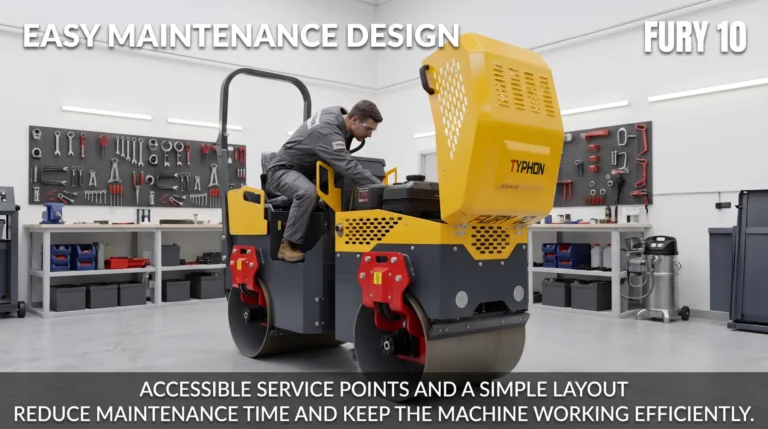
4.3 Maintenance and Storage
Regular maintenance is key to extending the life of your mini road roller and ensuring its reliable performance.
- Daily Checks: Before each use, check fluid levels (fuel, oil, hydraulic fluid, water for sprinkler system), inspect drums for damage or debris, and ensure all controls are functioning.
- Cleaning: After each use, thoroughly clean the roller. Remove any accumulated dirt, asphalt, or debris from the drums, frame, and engine area. This prevents corrosion and ensures smooth operation. For asphalt rollers, clean the drums immediately after use to prevent asphalt from hardening.
- Lubrication: Follow the manufacturer’s recommendations for lubricating grease points. Regular lubrication reduces wear and tear on moving parts.
- Engine Maintenance: Adhere to the engine’s service schedule for oil changes, air filter cleaning/replacement, spark plug inspection, and fuel filter replacement.
- Drum Care: Keep the drums clean and smooth. Any dents or imperfections on the drum surface will transfer to your compacted material.
- Tire Pressure (if applicable): Maintain correct tire pressure on ride-on models for stability and even compaction.
- Storage: Store the mini road roller in a clean, dry, and secure location, protected from the elements. If storing for an extended period, follow winterization procedures outlined in the manual (e.g., fuel stabilizer, battery tender).
4.4 Environmental Considerations
Operating machinery comes with environmental responsibilities.
- Fuel Efficiency: Operate the roller at the appropriate throttle setting for the task, avoiding unnecessary idling to conserve fuel and reduce emissions.
- Spill Prevention: Be mindful when refueling or adding fluids to prevent spills. Have absorbent materials on hand for quick cleanup. Dispose of used fluids (oil, fuel) responsibly at designated recycling centers.
- Noise Pollution: Be aware of noise levels, especially in residential areas. Use hearing protection and consider working during appropriate hours.
- Dust Control: When compacting dry soil or granular materials, dust can be an issue. Lightly watering the material can help suppress dust.
By integrating these best practices into your mini road roller operation, you’ll not only achieve superior, long-lasting results for your small jobs but also ensure safe, efficient, and responsible use of your equipment.
5. Frequently Asked Questions about Mini Road Rollers for Small Jobs
Navigating the world of compaction equipment can bring up a lot of questions, especially when considering a specialized tool like a mini road roller. Here are some of the most common inquiries, designed to provide clarity and further insight into these versatile machines.
5.1 What exactly is a mini road roller for small jobs?
A mini road roller for small jobs is a compact, scaled-down version of industrial road rollers, specifically designed for efficient compaction of various materials in confined or smaller areas. Unlike their massive counterparts, these machines prioritize maneuverability, precision, and ease of use, making them ideal for tasks where larger equipment would be impractical or overkill. They typically feature one or two heavy steel drums that apply static weight and often dynamic vibratory force to compact materials like asphalt, gravel, soil, and sand. Common types include walk-behind rollers, small ride-on rollers, and trench rollers.
5.2 How does a mini road roller work to compact materials?
A mini road roller compacts materials primarily through two mechanisms:
- Static Weight: The heavy steel drums of the roller apply downward pressure, physically pressing the material particles closer together and reducing voids.
- Vibration (Dynamic Force): Most modern mini road rollers incorporate a vibratory mechanism within their drums. This vibration rapidly agitates the material particles, reducing internal friction and allowing them to settle into a denser, more tightly interlocked configuration. The combination of static weight and vibration is highly effective in achieving optimal density and stability.
As the roller moves across the surface, it makes multiple passes, gradually increasing the material’s density and creating a smooth, stable, and durable base. For asphalt, a water sprinkler system is often used to prevent the hot material from sticking to the drums.
5.3 What are the main benefits of using a mini road roller for small jobs compared to manual methods?
The benefits are substantial and multifaceted:
- Superior Compaction Quality: Mini rollers achieve much higher and more uniform density than manual methods (like hand tamping), leading to a more stable, durable, and long-lasting surface. This prevents settlement, rutting, and cracking.
- Increased Efficiency and Speed: A mini roller can compact a significantly larger area in a fraction of the time it would take manually, drastically reducing labor hours and project timelines.
- Professional Finish: The smooth drums leave a consistent, aesthetically pleasing surface, which is difficult to achieve with manual tools.
- Versatility: They can effectively compact a wide range of materials (asphalt, gravel, soil, sand) for diverse applications, from driveways and patios to garden paths and trench backfill.
- Cost-Effectiveness: While there’s an initial investment (purchase or rental), the long-term savings from reduced labor, extended project lifespan, and avoiding the need for larger, more expensive equipment make them highly cost-effective.
- Reduced Physical Strain: Operators experience less fatigue and physical strain compared to continuous manual labor.
5.4 Can I use a mini road roller on slopes?
Yes, but with caution and adherence to manufacturer guidelines. Mini road rollers have limitations on the degree of slope they can safely operate on. Always consult the operator’s manual for the specific model’s maximum permissible operating angle. When operating on slopes, it is a critical safety best practice to:
- Operate Straight Up and Down: Never operate across a slope, as this significantly increases the risk of tipping.
- Start from the Bottom: Begin compaction at the lower end of the slope and work your way upwards.
- Maintain Control: Ensure you have firm control of the machine at all times, especially when going downhill.
If a slope is too steep for safe roller operation, consider alternative compaction methods or specialized equipment designed for extreme inclines.
5.5 What materials can a mini road roller compact?
Mini road rollers are highly versatile and can compact a wide array of materials commonly found in small construction and landscaping projects. These include:
- Asphalt: For driveways, pathways, patching, and sports courts.
- Gravel and Crushed Stone: For sub-bases, driveways, garden paths, and decorative landscaping.
- Soil and Dirt: For foundations, backfilling trenches, landscaping, and preparing areas for turf.
- Sand: Often used as a base layer for pavers or in specific drainage applications.
The effectiveness can vary slightly depending on the roller’s features (e.g., vibratory function, water system) and the material’s specific properties and moisture content.
5.6 Is it better to rent or buy a mini road roller for small jobs?
The decision to rent or buy depends largely on your frequency of use and budget:
- Rent if: You have a one-off project, infrequent compaction needs, or want to try out different models before committing to a purchase. Renting saves on storage, maintenance, and depreciation costs.
- Buy if: You are a contractor or homeowner with frequent, ongoing compaction projects. Purchasing can be more cost-effective in the long run, provides immediate access to the equipment, and allows you to become highly proficient with a single machine.
Consider the cost of rental per day/week versus the purchase price, as well as the associated costs of maintenance, storage, and transport for ownership.
5.7 How do I ensure uniform compaction?
Achieving uniform compaction is crucial for the longevity and stability of your surface. Key practices include:
- Even Material Spreading: Ensure the material is spread evenly in consistent lifts (layers) before compaction begins.
- Consistent Overlap: Overlap each pass of the roller by at least 6-12 inches (15-30 cm) to prevent uncompacted strips.
- Consistent Speed: Operate the roller at a slow, steady speed. Too fast, and you won’t achieve adequate compaction; too slow, and you might over-compact or create ripples.
- Multiple Passes: Make several passes over the entire area, gradually increasing the compaction force (e.g., engaging vibration after initial static passes) until the desired density is reached.
- Visual Inspection: Regularly inspect the surface for any inconsistencies or areas that appear less dense. For critical projects, consider using a density gauge for objective measurement.
By following these guidelines, you can significantly improve the quality and uniformity of your compaction results.
Conclusion
The mini road roller for small jobs stands as a testament to innovation in the construction and landscaping industries, offering a powerful, precise, and practical solution for compaction tasks that were once either labor-intensive or prohibitively expensive. From creating durable driveways and elegant garden paths to ensuring stable foundations and efficient trench backfill, its versatility and effectiveness are unmatched for projects of a smaller scale.
By understanding what these machines are, their profound benefits in terms of quality, efficiency, and cost-effectiveness, and by adhering to best practices in selection, operation, and maintenance, anyone can achieve professional-grade results. The days of struggling with inadequate manual tools or overspending on oversized equipment for your compact projects are over. Embrace the power and precision of a mini road roller, and transform your small jobs into lasting successes.