Common Water Spray System Problems on Road Rollers and How to Prevent Them
You roll onto a fresh mat of hot asphalt, lower the drum, and begin your first pass. Then you notice it: a dry streak on the drum, followed by asphalt sticking to the steel instead of staying on the mat. The water spray system that should keep the drum clean has quietly stopped working, leaving pickup marks that can compromise the finished surface. Although the spray system is one of the simplest components on a road roller, its failure can reduce paving quality, slow production, and lead to costly rework. Fortunately, most spray system problems are easy to anticipate and prevent. Clogged nozzles, worn pumps, blocked filters, leaking tanks, and freeze damage usually develop gradually and show warning signs before they become serious. Knowing what causes these issues and performing routine maintenance will help keep this compaction machine operating reliably, ensuring consistent water flow and a cleaner, smoother finish on every job.
Why the Water Spray System Matters So Much
The importance of a spray system becomes clear when you see how it protects the compaction process. Its job is to maintain a thin, consistent layer of water on the drums, allowing hot asphalt to release smoothly instead of building up. When that water coverage becomes uneven, surface defects and mat quality issues can appear quickly.
When the spray system delivers consistent coverage, the drums stay clean and compaction remains smooth from start to finish. If the water flow becomes uneven because of clogged nozzles, low pressure, or poor maintenance, asphalt can begin sticking to the drums. That buildup not only affects the surface finish but also forces operators to stop more often for cleaning, reducing productivity and increasing the risk of costly rework.
The Job the Spray System Does
On an asphalt roller, water isn’t optional; it’s what keeps the drum from bonding to the material it’s compacting. A steady spray coats the steel so the sticky, hot mix passes underneath without grabbing on. Lose that coating for even a few passes, and asphalt starts lifting off the mat and clinging to the drum, tearing the surface you’re trying to smooth.
The system itself is straightforward: a water tank, a pump or gravity feed, filters, supply lines, and a set of spray bars with nozzles aimed at the drums. Each part depends on the others. A weak link anywhere, a clogged nozzle, a tired pump, a blocked filter, interrupts the whole flow and puts your finish at risk.
How Small Failures Become Big Problems
A single blocked nozzle rarely announces itself. It just leaves a dry stripe on the drum, and that stripe becomes a line of pickup marks on your mat. By the time you notice, you may have several passes of damaged surface behind you, and repairing a marred asphalt finish is far more expensive than the minute it would have taken to clear the nozzle.
The pattern repeats across the whole system. A partly clogged filter starves the pump, a low tank runs you dry mid-pass, a small leak drains your water before the job’s done. None of these start as emergencies, but each one ends the same way: a stalled machine, a compromised surface, and lost time. Catching them early is always cheaper than fixing what they cause.
Takeaway: The spray system protects your finish quality directly, so a minor fault that interrupts water flow can quickly turn into expensive mat damage and downtime.
Pump and Filter Failures That Stop the Flow
When the water stops but the nozzles look clear, the problem usually lies upstream in the pump or the filters. These parts move and clean the water before it ever reaches the drum, and when they fail, the whole system goes dry regardless of how good your nozzles are.
Dirty filters gradually restrict water flow, forcing the pump to work harder and reducing spray pressure across the entire system. Over time, this extra strain can shorten pump life or cause complete failure, leaving the drums without adequate water coverage. Regularly cleaning the filters, checking pump operation, and replacing worn components before they fail helps maintain a steady spray pattern and prevents unexpected downtime on the jobsite.
Recognizing Pump Problems Early
The spray pump pushes water from the tank to the spray bars, and like any pump, it wears over time. Warning signs show up before total failure: weak or uneven spray, pressure that drops mid-pass, or a pump that runs but moves little water. Electrical issues, a blown fuse, a bad connection, or a failed switch, can also cut power to the pump entirely.
Running a pump dry is one of the fastest ways to destroy it. If the tank empties or a blockage starves the intake, many pumps overheat and burn out in short order. That’s why a low-water situation isn’t just an inconvenience; it can turn a simple refill into a pump replacement if you don’t catch it in time.
Keeping Filters Clear
Filters protect everything downstream by catching debris before it reaches the pump and nozzles. That protection only works if the filters stay clean. A clogged filter chokes the water supply, starving the pump and weakening the spray even when every other part is healthy. Many operators chase a “clogged nozzle” that turns out to be a filthy filter.
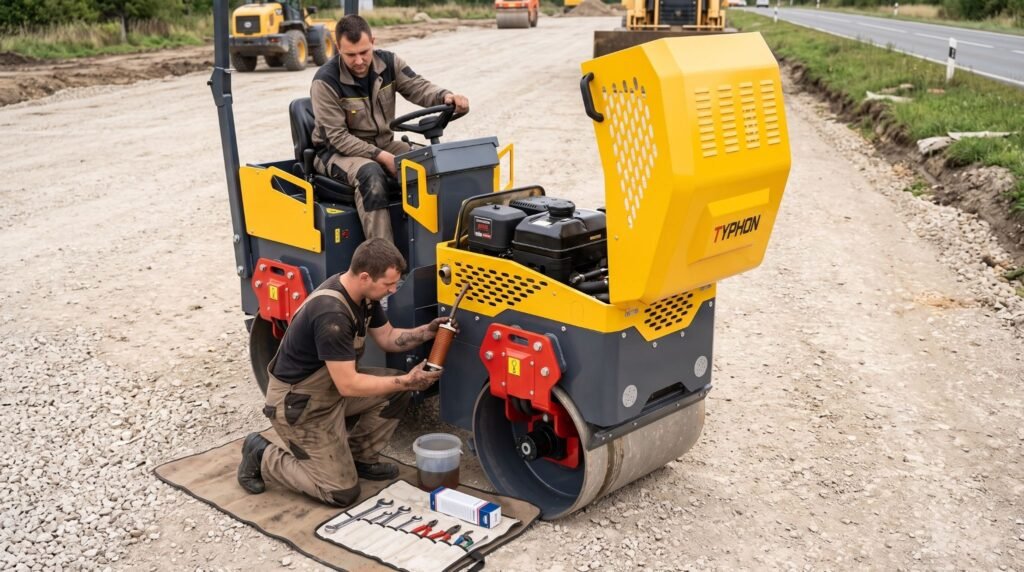
Make filter checks part of your routine. Inspect and clean or replace filters on a regular schedule, and more often if your water source is dirty. A clean filter costs little and takes minutes, while a starved, burned-out pump costs far more in parts and downtime. Treating the filter as a first line of defense protects the entire system.
Takeaway: Watch for weak or dropping spray pressure as an early pump warning, never run the pump dry, and keep filters clean so debris never chokes the flow or kills the pump.
Tank Leaks and Low-Water Problems
The water tank and its supply lines are easy to overlook until they leave you dry in the middle of a pass. Leaks, cracks, and loose fittings drain your water supply quietly, and running out mid-job doesn’t just stop the spray; it can damage the pump and ruin your finish at the worst possible moment.
Even a small leak can reduce available water over the course of a shift, while a low tank may cause the pump to draw in air instead of water. Regularly checking the tank level and inspecting hoses and fittings helps keep the spray system working reliably and prevents unexpected interruptions.
Finding and Fixing Leaks
Tank and line leaks often start small. A hairline crack in the tank, a loose hose clamp, a perished fitting, or a worn seal lets water seep out slowly, so you lose supply faster than the job should use it. If you’re refilling more often than the work explains, a leak is the likely reason.
Catch these with a simple visual check. Look under and around the tank for damp spots or dripping, inspect hoses and clamps for wetness, and confirm fittings are snug. Most leaks are cheap and quick to fix once found, a new clamp, a fresh seal, a tightened fitting, but only if you spot them before they leave you stranded on the mat.
Avoiding the Mid-Pass Dry-Out
Running out of water is both a quality problem and a mechanical one. The instant the spray stops, the drum starts picking up asphalt, and if the pump keeps running dry, you risk burning it out. A mid-pass dry-out can cost you a stretch of surface and a pump in one stroke.
Prevent it with discipline around water level. Start every shift with a full tank, keep an eye on your water gauge or level through the day, and plan refills before the tank runs low rather than after it runs dry. Knowing your machine’s runtime on a full tank lets you schedule top-offs so the spray never quits when the drum needs it most.
Takeaway: Inspect the tank, hoses, and fittings regularly for leaks, and manage your water level proactively so you never lose spray, damage the pump, or mar the mat by running dry mid-pass.
Building a Maintenance Routine That Prevents Failures
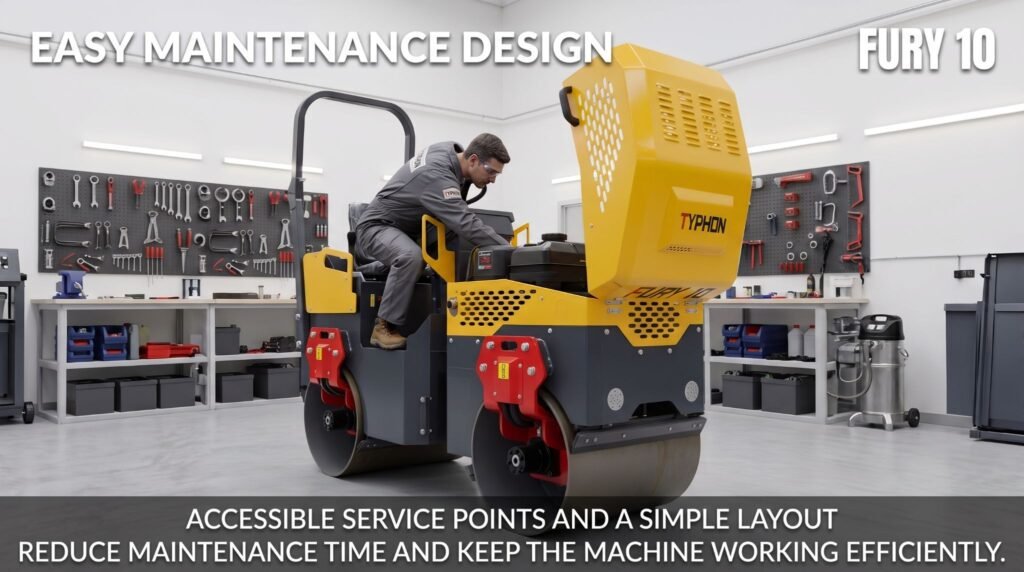
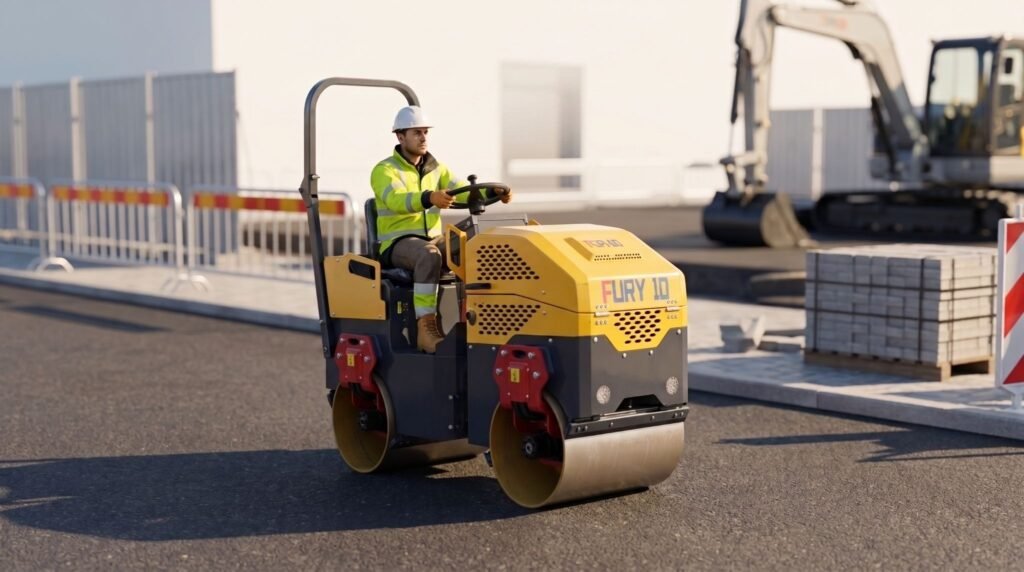
Most spray system failures are caused by neglected maintenance rather than poor equipment design. A simple, consistent maintenance routine helps preserve water spray performance, ensuring even drum coverage and reducing asphalt pickup. These quick inspections take only a few minutes but help maintain compaction performance, improve paving quality, and minimize unplanned downtime.
A daily inspection of the tank, filters, hoses, pump, and spray nozzles is often enough to catch issues before they become costly repairs. Keeping the system clean, using clean water, and replacing worn parts as needed helps ensure consistent water coverage, longer component life, and more reliable compaction on every job.
Daily and Weekly Checks
Build a short daily routine around the start of each shift. Fill the tank with clean water, glance at the spray pattern on both drums to confirm every nozzle fires evenly, and watch for leaks or weak pressure as you begin. These few seconds of attention catch the majority of problems before they touch your mat.
Add slightly deeper checks on a weekly basis. Inspect and clean the filters, look over hoses and fittings for wear or seepage, and clear any nozzle showing an uneven pattern. Keeping spare nozzles, filters, and clamps on hand means a small issue gets fixed on the spot instead of parking the machine.
Seasonal and Long-Term Care
Some tasks belong on a longer schedule. Flush the tank periodically to clear sediment before it reaches the filters, and inspect the pump for wear and steady pressure. Following the manufacturer’s service intervals for the pump and system keeps everything performing the way it was designed to.
Match your routine to the season and the conditions. Dirty water sources call for more frequent filter and nozzle cleaning, and the approach of cold weather calls for full winterization. Adjusting your maintenance to what the machine actually faces, rather than a fixed habit, keeps the spray system dependable across every job and every season.
Takeaway: A quick daily spray-and-leak check, weekly filter and nozzle attention, and seasonal flushing plus winterization prevent nearly every spray system failure before it can cost you a mat or a pump.
Conclusion
A road roller’s water spray system plays a direct role in compaction quality, and even small issues can quickly affect paving results. Clogged nozzles create dry streaks, weak or damaged pumps interrupt water flow, blocked filters reduce system performance, leaking tanks shorten operating time, and frozen water can crack components during cold weather. While these problems have different causes, they all lead to uneven drum lubrication, poor surface quality, unnecessary downtime, and avoidable repair costs.
Keeping the spray system reliable comes down to regular inspection and timely maintenance. Using clean water, checking spray coverage before each shift, cleaning filters and nozzles, monitoring for leaks or pressure loss, and preparing the system for freezing conditions help prevent most common failures. Addressing these small maintenance tasks before they become larger problems keeps the spray system performing consistently, protects compaction quality, and extends the service life of key components.
Frequently Asked Questions
How often should I clean or replace my road roller’s spray nozzles?
Check the spray pattern every day and clean the nozzles whenever you notice uneven coverage or dry streaks. Replace any nozzle that still sprays unevenly after cleaning or shows signs of wear or damage. Keeping spare nozzles on hand helps minimize downtime.
What are the warning signs of a failing spray pump?
Common signs include weak or uneven water pressure, inconsistent spraying, or the pump running without delivering water. Electrical issues such as intermittent operation or blown fuses can also indicate a problem. Fixing these issues early can prevent costly pump replacement.
What’s the best way to prevent spray system clogs?
Use clean water, inspect and clean the filter regularly, and flush the tank and water lines during routine maintenance. If flow remains restricted after cleaning the nozzles, check the filter, supply lines, and tank for sediment or mineral buildup.