The Essential Guide to Skid Steer Trencher Operation and Maintenance
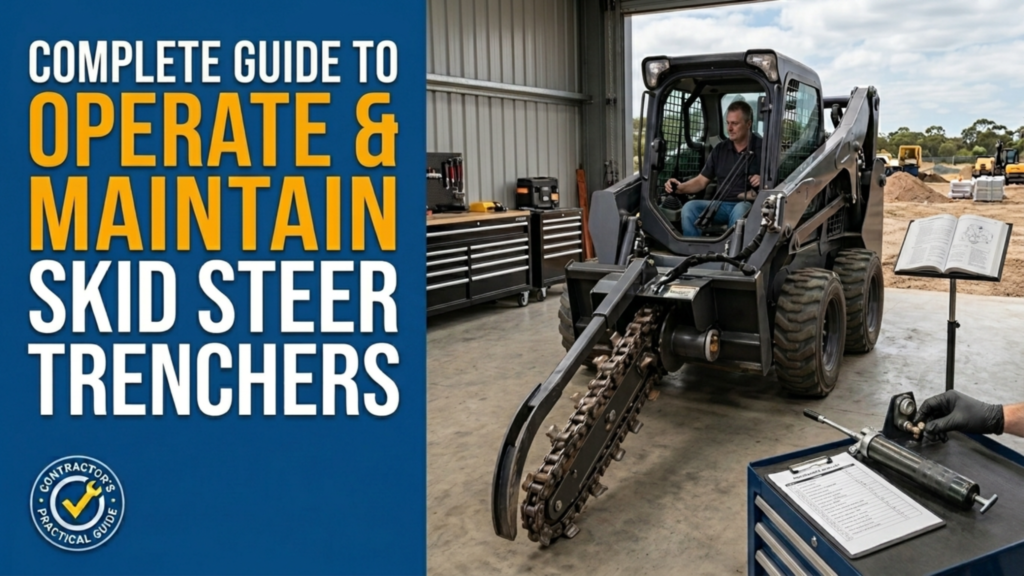
A skid steer trencher is one of the most efficient attachments you can mount when a job calls for digging long, clean, consistent trenches. A rotating chain fitted with cutting teeth travels around a boom, slicing through soil, clay, and even compacted ground to create a uniform trench in a single pass, pulling loose material up and depositing spoil neatly alongside the cut. This makes it far faster and more precise than hand digging, and it removes the guesswork from depth and width since the boom and chain are set to consistent dimensions. The attachment draws power from the skid steer’s auxiliary hydraulic system, so performance is closely tied to how well both are maintained. Trenchers earn their keep across a wide range of industries, which is a big part of why so many contractors rely on them. You will find them at work in the following fields:
Construction projects use trenchers for footings, drainage lines, and conduit runs on both residential and commercial sites. In landscaping, they help install edging, root barriers, and low-voltage lighting cable while keeping surface disruption to a minimum. Irrigation crews rely on them to cut clean lines for sprinkler pipe and drip systems across lawns and fields. Utility work also depends on trenchers for laying water, gas, electrical, and communication lines safely below grade. In agriculture, they are commonly used to install drainage tile, fencing, and water lines across large rural properties.
Whatever the field, a trencher delivers speed, accuracy, and repeatable results that protect your schedule and your bottom line. The sections below walk you through how to operate the attachment efficiently and how to maintain it so it keeps performing for years.
Mastering Efficient Operation
Running a skid steer trencher well blends patience, good technique, and machine awareness. Power alone does not produce a clean trench; success comes from working with the chain, reading the soil as you go, and respecting the limits of the attachment and its hydraulic system. Rush the job and you risk bent teeth, a thrown chain, and a ragged trench. Work deliberately and you get a straight, uniform cut with far less wear and a safer site. Before you begin any trenching job, keep these core principles in mind:
Survey the site first and confirm the location of any buried utilities, since hitting a line is dangerous and costly. Match your pace to the soil, slowing in hard or rocky ground, stay on your marked path with small steering corrections; and listen for any groaning or bogging that signals you should ease off.
These fundamentals apply to every trenching job. The three subsections that follow break down each stage of operation, from positioning and entry through the cutting pass to a safe shutdown. Build these techniques into your routine, and you will cut cleaner trenches faster while protecting your equipment.
Proper Positioning and Entry
How you begin a trench has a direct effect on how clean and accurate the finished cut turns out, so taking the time to set up correctly is always worth the effort. Start by aligning the skid steer perfectly with the intended path you marked out during your site survey. A straight, well-planned line gives you a clear target to follow and prevents the wandering, crooked trenches that come from starting without a plan. Position the machine so the trencher boom sits directly over the start point, and double-check that nothing obstructs the path ahead. Once you are aligned, lower the boom at a slow, controlled angle and let the rotating chain begin to penetrate the ground gradually. The goal is a smooth, gentle entry that eases the teeth into the soil rather than slamming them down, which protects both the cutting components and the hydraulic system from a sudden, jarring shock. A careful entry sets the tone for the entire pass.
Keep these positioning and entry practices front and center as you start each trench:
- Align the skid steer with the marked path before lowering the boom, so the trench begins straight and true
- Engage the chain before it contacts the ground, letting the teeth be moving as they make first contact
- Lower the boom slowly and at a controlled angle, allowing gradual penetration instead of a hard plunge
- Avoid jarring the hydraulic system, since a sudden drop sends a damaging shock through the lines and motor
- Confirm depth gradually, easing the boom down until the chain reaches the depth your job requires
Rushing this stage is a common and costly mistake. A hard, abrupt entry can bend teeth, jolt the drive motor, and spike hydraulic pressure that wears components prematurely, while a controlled entry preserves the equipment and creates a clean starting point. Treat the first few feet as the most important part of the job.
Controlled Trenching Speed
Once the chain has reached the proper depth, the cutting pass itself comes down to patience and control rather than force. The single most important principle of trenching is to let the chain do the work. Operate the machine at a slow, steady reverse speed, allowing the rotating teeth to cut through the soil at their own pace rather than forcing the skid steer to push the boom through the ground. The trencher is designed to remove material gradually as the chain travels, and when you move too fast you overwhelm that process, bogging down the chain and placing enormous strain on the drive motor and hydraulic system. A measured reverse speed gives the teeth time to bite, lift, and clear the spoil, which produces a cleaner trench and protects every component involved in the cut. Smooth, consistent movement is the mark of an experienced trencher operator.
Apply these speed and control techniques throughout the cutting pass:
- Reverse slowly and steadily, keeping a consistent pace that matches what the soil and chain can handle
- Let the chain set the rhythm, easing off whenever the machine starts to labor or the chain slows
- Adjust for soil conditions, slowing further in hard, rocky, or clay-heavy ground to protect the teeth
- Avoid forcing the boom, since pushing the skid steer through the soil strains the motor and risks a thrown chain
- Maintain a straight line, making small steering corrections to keep the trench uniform from start to finish
The temptation to speed up almost always backfires, leading to bent teeth, a jammed chain, overheated hydraulic fluid, and a rough trench that needs rework. By holding a slow, deliberate pace and reading how the machine responds, you complete the trench more reliably and protect both the attachment and the skid steer.
Safe Shutdown Procedures
Finishing a trench properly is just as important as starting one, and a careful shutdown protects both the quality of your work and the safety of everyone on the site. Before you lift the boom out of the ground, take a moment to clear the trench of loose debris by running the chain momentarily while the machine remains stationary. This brief step allows the rotating teeth to pull out any remaining loose soil and spoil that has collected in the bottom of the cut, leaving you with a clean, finished trench ready for pipe, cable, or whatever the job requires. Pulling the boom out too quickly while debris remains often leaves a messy channel that needs hand cleaning later, so this small effort saves time and produces a better result. Once the trench is clear, raise the boom slowly and deliberately rather than yanking it free of the ground.
Follow these shutdown steps every time you complete a trenching pass:
- Run the chain briefly before lifting, clearing loose debris from the bottom of the trench for a clean finish
- Raise the boom slowly, easing it out of the ground to avoid stressing the hydraulics or scattering spoil
- Fully disengage the attachment and stop the chain completely before you do anything else
- Lower the boom to the ground in a safe, stable position once the attachment is clear of the trench
- Confirm everything has stopped and the attachment is disengaged before exiting the cab
The most critical safety rule is never to leave the cab until the attachment is fully disengaged and the chain has come to a complete stop. Make it an unbreakable habit to shut down the attachment, confirm it is no longer moving, and only then climb out. This disciplined approach keeps you safe and reflects the professional care that defines a skilled operator.
Preventive Maintenance Protocols
A skid steer trencher works in highly abrasive conditions, so consistent preventive maintenance is essential to keeping it productive. Dirt, grit, and constant friction wear on the chain, teeth, and drive components, while the hydraulic connections are vulnerable to contamination if left dirty. A well-maintained trencher cuts faster and lasts longer, while a neglected one strains the skid steer and eventually fails at the worst moment. The good news is that proper care does not require special training, only consistent habits performed on a regular schedule. Build your maintenance program around these core priorities:
Inspect the attachment before and after every use to catch small problems before they grow into expensive failures, and keep everything clean to remove the abrasive dirt and debris that accelerate wear and contaminate the hydraulics. Monitor your wear components closely, replacing teeth and adjusting the chain before strain reaches the drive motor, and follow the manufacturer’s schedule for lubrication and service rather than waiting for problems to appear. Finally, store the attachment properly to protect it from corrosion and contamination between jobs.
Together these priorities form a reliable routine that pays for itself many times over. The three subsections below cover the specific tasks, from daily inspection and cleaning through chain and tooth care to lubrication and storage. Make each a standard part of how you operate the attachment, and your trencher will deliver dependable performance for years.
Daily Inspection and Cleaning
The foundation of any preventive maintenance program is a consistent daily inspection performed both before and after each use of the attachment. A few minutes of careful checking can reveal a developing problem long before it turns into a breakdown that pulls the machine off the job. Before you begin work, walk around the trencher and perform a visual check of the hydraulic lines, couplers, and frame bolts, looking closely for anything out of place. Hydraulic lines should be free of cracks, abrasions, and weeping fluid, the couplers should be clean and seated securely, and the frame bolts should be tight with none missing or backing out. After the job is done, repeat the inspection, because the stresses of trenching can loosen hardware and reveal damage that was not present at the start of the day. Catching these issues early keeps small problems from becoming major repairs.
Make these inspection and cleaning tasks part of your routine before and after every job:
- Check hydraulic lines for cracks, abrasions, leaks, and any sign of weeping fluid around fittings
- Inspect the couplers to confirm they are clean, seated, and free of damage or contamination
- Verify frame bolts are present and tight, since vibration can loosen hardware during operation
- Remove dirt and debris packed around the chain, boom, and drive components after each use
- Clean the quick-connect fittings before coupling to prevent grit from entering the hydraulic system
Cleaning matters just as much as inspection, because the abrasive material a trencher works in is the enemy of long component life. Dirt left to build up accelerates wear and can work into the hydraulic system, causing expensive damage to pumps, motors, and valves. Clear away packed soil and grit after each job, paying close attention to the chain, drive components, and coupler fittings. This simple discipline is the single most cost-effective habit you can build into your maintenance routine.
Chain Tension and Tooth Care
The chain and teeth are the working heart of a trencher, and keeping them in good condition is critical to both cutting performance and the health of the drive system. Start by regularly monitoring the chain for proper slack, since correct tension is essential to smooth, efficient operation. A chain that is too loose can jump off the boom, wear unevenly, or jam during a cut, while a chain that is too tight places constant strain on the drive motor and sprockets, accelerating wear throughout the system. Check the chain tension against the manufacturer’s specification and adjust it whenever it drifts out of range. Alongside tension, inspect the individual teeth closely for signs of damage or extreme wear, because the condition of the teeth determines how cleanly and efficiently the attachment cuts through the ground. Dull, chipped, or missing teeth force the machine to work much harder for a poorer result.
Keep the chain and teeth in peak condition by following these practices:
- Monitor chain slack regularly, adjusting tension to the manufacturer’s specification whenever it drifts
- Inspect every tooth for chips, cracks, flattening, or extreme wear that reduces cutting efficiency
- Replace damaged teeth immediately, since worn teeth force the chain and motor to strain unnecessarily
- Watch for uneven wear patterns, which can point to alignment issues or improper operating technique
- Check the sprockets and drive components for wear that affects how the chain tracks and engages
Replacing worn components promptly is one of the smartest investments you can make in the attachment’s longevity. Worn teeth and a poorly tensioned chain strain the drive motor and the entire hydraulic system, leading to overheating, premature failure, and costly repairs. By staying ahead of wear and adjusting tension before problems escalate, you keep the trencher cutting cleanly while protecting the expensive components that power it.
Systematic Lubrication and Storage
Proper lubrication and careful storage are the final pieces of a complete maintenance program, and together they protect the trencher during operation and between jobs. Lubrication keeps the moving parts of the attachment running smoothly and shields them from the friction and wear that constant use generates. Follow the manufacturer’s grease schedule precisely for the headshaft, the boom, and any other points the manual specifies, rather than guessing at intervals or skipping them to save time. Each grease point is identified for a reason, and keeping them properly lubricated prevents the metal-on-metal wear that destroys bearings and bushings. Applying the correct grease at the right intervals is a small effort that dramatically extends the working life of the attachment, so make it a consistent part of your service routine rather than an afterthought you remember only when something starts to squeak.
Build these lubrication and storage habits into your maintenance program:
- Follow the manufacturer’s grease schedule for the headshaft, boom, and all specified lubrication points
- Use the correct grease recommended in the manual to ensure proper protection and performance
- Wipe fittings clean before greasing so you do not push dirt into the bearings and bushings
- Store the unit in a clean, dry environment, protecting it from rain, humidity, and the elements
- Cap the hydraulic quick-connects during storage to keep out dirt, moisture, and contamination
How you store the trencher matters just as much as how you maintain it. Exposing it to the elements invites rust, while uncapped quick-connects let dirt and moisture contaminate the system and damage pumps and motors. Store the unit in a clean, dry place and cap the hydraulic fittings to seal out anything harmful. A properly lubricated, well-stored trencher is ready to work the moment you need it and delivers dependable performance for years.
Conclusion
A skid steer trencher rewards the operator who treats it with respect, patience, and consistent care. Clean, accurate trenches come from working with the chain rather than forcing it, easing into each cut, holding a steady pace, and shutting down safely at the end of every pass. Just as importantly, the daily inspections, attentive chain and tooth care, regular lubrication, and proper storage covered here keep the attachment cutting efficiently and protect both the trencher and the skid steer that drives it. None of these habits demand special training, only the discipline to do them every time. Build sound operation and preventive maintenance into your routine, and your trencher will deliver fast, precise, and dependable performance on every job, year after year, while keeping your crew safe and your costs under control.